
To build a better pantry with seeds and grains, choose diverse, high-quality options like quinoa, millet, and spelt, and store them in airtight, eco-friendly containers such as glass jars or reusable bags. Keep your grains in a cool, dark place, and regularly check for spoilage or pests. Practice crop rotation if growing your own, and label all items clearly. With thoughtful storage and sustainable practices, you’ll create a resilient pantry that supports nourishment and environmental responsibility—discover more ways to enhance it further.
Key Takeaways
- Choose high-quality, diverse seeds and grains, and store them in airtight, eco-friendly containers to maintain freshness.
- Implement proper storage conditions: cool, dark, and pest-free environments to extend shelf life.
- Label and rotate stock regularly to ensure freshness and minimize waste.
- Incorporate sustainable packaging options like glass jars and reusable bags to reduce environmental impact.
- Practice crop rotation and soil health practices when sourcing grains to ensure sustainability and quality.

Creating a well-stocked pantry starts with understanding the power of seeds and grains. These small staples are more than just food; they’re the foundation of a resilient, sustainable kitchen. When you focus on choosing quality seeds and grains, you’re investing in nourishment that can last long-term and support your health. To maximize their benefits, pay attention to how you store them. Sustainable packaging plays an essential role here—look for options like glass jars, reusable cloth bags, or biodegradable containers. These choices reduce waste, keep your pantry environmentally friendly, and help preserve the freshness and flavor of your grains.
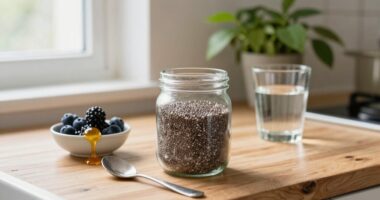
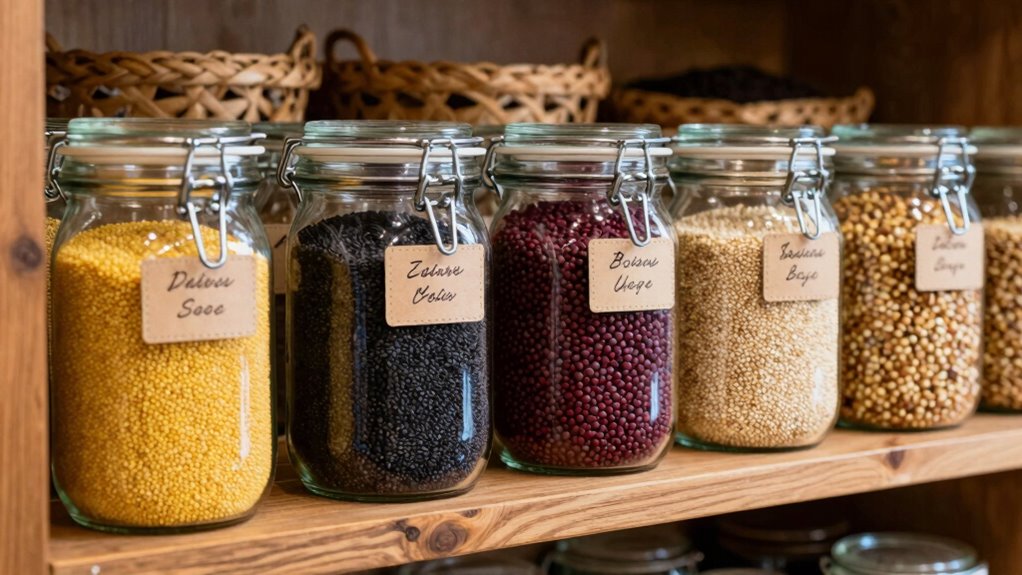
Choose sustainable packaging like glass jars and reusable bags to keep grains fresh and support eco-friendly living.
In addition to selecting eco-conscious packaging, consider the importance of crop rotation if you’re growing your own seeds or grains. Crop rotation involves alternating the types of crops you plant each season, which prevents soil depletion and reduces the need for chemical fertilizers or pesticides. This practice guarantees that your grains and seeds come from healthy, sustainable sources, making your pantry truly eco-friendly. When you incorporate crop rotation into your gardening routine, you support soil fertility and help break pest and disease cycles naturally, leading to better yields and higher-quality seeds. Implementing soil health practices can further enhance the quality of your harvests. Additionally, staying informed about seed varieties can help you select the most resilient and nutritious options for your pantry. Incorporating seed preservation techniques can also help extend the lifespan of your seeds and maintain their vitality over time. Moreover, understanding storage conditions can help ensure your grains stay fresh and pest-free for longer periods.
Building a better pantry also means diversifying your stock. Don’t just rely on the usual rice or wheat; explore quinoa, millet, barley, and ancient grains like spelt or amaranth. These options enrich your meals with different nutrients and flavors while also broadening your culinary repertoire. Keep your grains sealed in airtight containers to preserve their oils and prevent pests. Label everything clearly, and rotate your stock to use older supplies before newer ones—this practice minimizes waste and guarantees you always have fresh, nutritious options on hand.
Another key point is to store your seeds and grains in a cool, dark place. Heat and light accelerate spoilage, so a pantry shelf away from direct sunlight is ideal. Regularly check your stored items for signs of spoilage or pests, and keep your storage area impeccably clean. Additionally, understanding the importance of contrast ratio in your storage environment can help maintain optimal conditions for your grains. When you’re mindful about your storage methods and the sources of your seeds and grains, you’re not just building a pantry—you’re creating a sustainable, resilient food system for yourself and future generations. This approach encourages responsible consumption, reduces waste, and helps you enjoy wholesome, nourishing foods every day.
airtight glass storage jars for grains
As an affiliate, we earn on qualifying purchases.
As an affiliate, we earn on qualifying purchases.
Frequently Asked Questions
How Long Do Seeds and Grains Typically Stay Fresh?
Seeds and grains generally stay fresh for about 6 months to a year when stored properly, but their shelf life varies. To maintain freshness, keep them in airtight containers in a cool, dark place. Use clear labels with purchase dates. For longer storage, consider refrigeration or freezing. Regularly check for signs of spoilage like off smells or discoloration, and follow freshness tips to maximize their shelf life.
What Are the Best Storage Containers for Seeds and Grains?
Think of storage containers as the fortress protecting your seeds and grains. Glass or food-grade plastic containers are best because they’re airtight, keeping moisture and pests out. Choose containers made from durable, non-reactive materials, and store them in a cool, consistent temperature to extend freshness. Avoid clear containers in direct sunlight, and opt for those with tight-fitting lids to maintain quality and prevent spoilage.
How Can I Prevent Pests in My Pantry?
To prevent pests in your pantry, you should use pest-resistant packaging like airtight containers that keep bugs out and maintain freshness. Additionally, incorporate natural pest deterrents such as bay leaves, dried herbs, or whole peppercorns in your storage areas. Regularly inspect and clean your pantry to remove any potential pests or food debris. These proactive measures help protect your seeds and grains from unwanted invaders effectively.
Are There Specific Seeds and Grains Suitable for Gluten-Free Diets?
You’re in luck—many seeds and grains are naturally gluten-free, making them perfect for your safe seed varieties and gluten-free alternatives. Think quinoa, buckwheat, amaranth, and millet, which sound like they belong in a cereal box but are actually wholesome, gluten-free options. Ironically, these tiny powerhouses can outshine traditional grains, offering you diverse, safe choices without risking gluten cross-contamination in your pantry.
How Do I Properly Label and Organize My Pantry?
To properly label and organize your pantry, use clear labeling techniques, like waterproof labels or chalkboard tags, for easy identification. Apply shelf labeling tips by arranging items alphabetically or by category, such as seeds and grains. Keep labels consistent in size and font for neatness. Place labels on the front or top of containers, ensuring they’re visible from a distance, so you can quickly find and restock your essentials.

VUEKYN 12 Pack Reusable Freezer Bags Dishwasher Safe, Leakproof Food Storage Bags, Silicone Bags for Food Storage Home Organization (4 Reusable Snack Bags 4 Sandwich Bags 4 Gallon Freezer Bags)
- Premium Food-Grade Material: BPA-free, durable, and temperature resistant
- Leakproof Double-Seal Design: Locks in freshness and prevents leaks
- Dishwasher Safe & Easy to Clean: Convenient for daily reuse and cleaning
As an affiliate, we earn on qualifying purchases.
As an affiliate, we earn on qualifying purchases.
Conclusion
Think of your pantry as a garden waiting to bloom. Seeds and grains are the roots that nourish your future harvest, patiently waiting for your care. When you choose wisely and store with purpose, you’re planting the foundation for abundance and resilience. With each thoughtful addition, your pantry blossoms—a lush landscape of nourishment, ready to flourish through any season. Cultivate it well, and watch your kitchen grow vibrant and strong.
grain storage containers with labels
As an affiliate, we earn on qualifying purchases.
As an affiliate, we earn on qualifying purchases.
As an affiliate, we earn on qualifying purchases.