Clinical trials show that chia seeds can boost your gut health by promoting a diverse and balanced microbiome, thanks to their high fiber content that acts as a prebiotic. They help improve digestion and reduce inflammation while supporting your immune system. Regular intake may lead to better gut function and overall metabolic health. If you’re curious about how these tiny seeds could benefit you long-term, there’s more to discover ahead.
Key Takeaways
- Clinical trials show chia seeds enhance gut microbiome diversity by acting as prebiotics.
- Regular chia seed intake may reduce gut inflammation and improve digestion.
- Studies indicate chia seeds support beneficial bacteria, promoting a healthier gastrointestinal environment.
- Research suggests chia seeds help modulate gut-related immune responses.
- Long-term trials are exploring chia seeds’ potential to sustain gut health and prevent GI disorders.
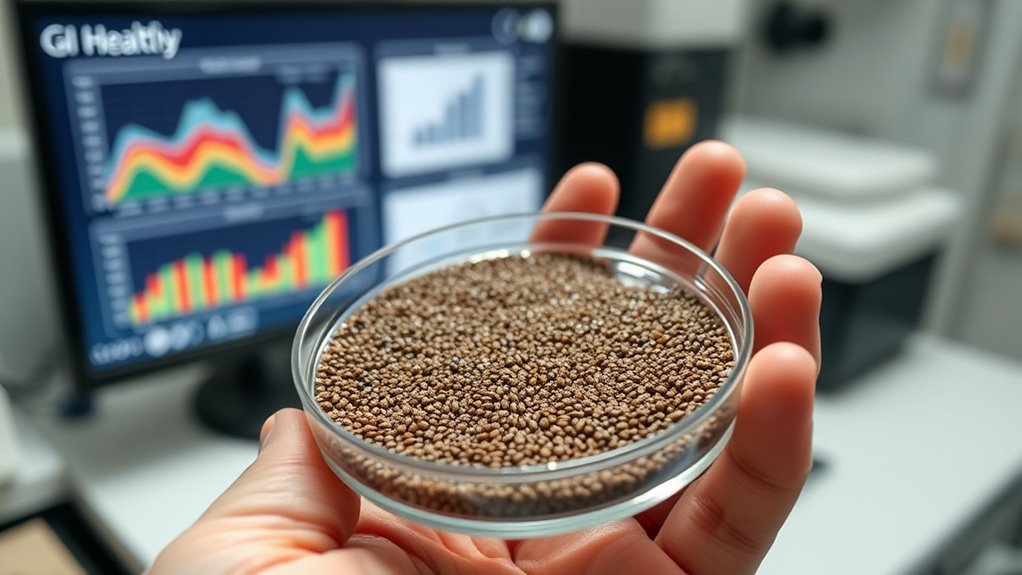
Chia seeds have gained popularity as a health food, and recent clinical trials are exploring their potential benefits. As you learn more about these tiny seeds, you’ll find that researchers are particularly interested in how they influence your gut microbiome and metabolic health. The gut microbiome, which consists of trillions of bacteria living in your digestive tract, plays a vital role in maintaining overall health. When you consume chia seeds, their high fiber content acts as a prebiotic, feeding beneficial bacteria and promoting a diverse, balanced microbiome. This balance can improve digestion, reduce inflammation, and even support immune function. Clinical trials are beginning to show that regular chia seed intake might positively shift your microbiome composition, leading to better gut health over time.
Moreover, these seeds seem to have notable metabolic effects that could benefit your health. Researchers are investigating how chia seeds influence blood sugar levels, cholesterol, and body weight. Because they’re rich in soluble fiber, chia seeds form a gel-like substance in your stomach, which slows digestion and helps stabilize blood glucose spikes after meals. This slow digestion not only supports better glycemic control but may also reduce insulin resistance—a key factor in metabolic disorders like type 2 diabetes. Some clinical data suggest that incorporating chia seeds into your diet could improve lipid profiles by lowering LDL cholesterol and increasing HDL cholesterol, which reduces your risk of cardiovascular disease.
The clinical trials also examine how chia seeds impact your overall metabolism. The seeds are packed with omega-3 fatty acids, antioxidants, and protein, which can increase satiety and support healthy weight management. As you include chia seeds in your meals, you might notice reduced cravings and a decreased tendency to overeat, thanks to their ability to keep you feeling full longer. Researchers are still exploring the long-term effects, but early results are promising, indicating that chia seeds could serve as a simple, natural addition to a balanced diet aimed at improving metabolic health.
Frequently Asked Questions
Are Chia Seeds Safe for Everyone With GI Issues?
You might wonder if chia seeds are safe for everyone with GI issues. While many find them beneficial, if you have seed allergies or digestive sensitivities, you should be cautious. Chia seeds can cause bloating or discomfort in some, especially if you’re sensitive. It’s best to start with small amounts and consult your healthcare provider to make sure they won’t trigger any adverse reactions.
How Much Chia Seed Should I Consume Daily?
You should aim to consume about 1 to 2 tablespoons of chia seeds daily. This amount helps improve your fiber intake, supporting better digestion and nutrient absorption. Start with a small portion to see how your body responds, and drink plenty of water to prevent discomfort. Incorporating chia seeds gradually guarantees you get the benefits without overwhelming your digestive system, promoting overall GI health.
Do Chia Seeds Interact With Any Medications?
Did you know that certain foods, including chia seeds, can affect medication safety? Chia seeds may cause drug interactions by altering how your body absorbs or processes medicines. While generally safe, it’s wise to consult your healthcare provider before adding large amounts of chia seeds to your diet, especially if you’re on medication. Staying informed helps prevent unintended interactions and guarantees your treatment remains effective and safe.
Can Chia Seeds Replace Traditional Treatments for GI Health?
You shouldn’t rely solely on chia seeds to replace traditional GI treatments because, while their fiber benefits support digestion, they aren’t a cure-all. Chia seeds are versatile and can complement your diet, but it’s essential to follow your doctor’s advice. Using them as part of a balanced approach can improve gut health, yet they shouldn’t replace prescribed medications or therapies without medical guidance.
Are There Any Long-Term Risks of Consuming Chia Seeds Regularly?
While chia seeds offer impressive nutritional benefits and boost your fiber intake, it’s wise not to overlook potential long-term risks. Consuming them regularly might cause minor digestive discomfort or interfere with nutrient absorption if overdone. Moderation is key. You can enjoy their benefits without worry by balancing your diet and listening to your body’s signals, ensuring you get the most from chia seeds without unintended consequences.
Conclusion
Think of chia seeds as tiny sailors steering the vast sea of your gastrointestinal health. Clinical trials reveal they’re charting promising courses, improving digestion and gut comfort. As you incorporate them into your routine, remember these seeds are like seasoned explorers—holding potential to transform your gut’s voyage. Trust in their journey, and let them guide you toward better GI wellness, one seed at a time. Your gut’s voyage to health is now more promising than ever.