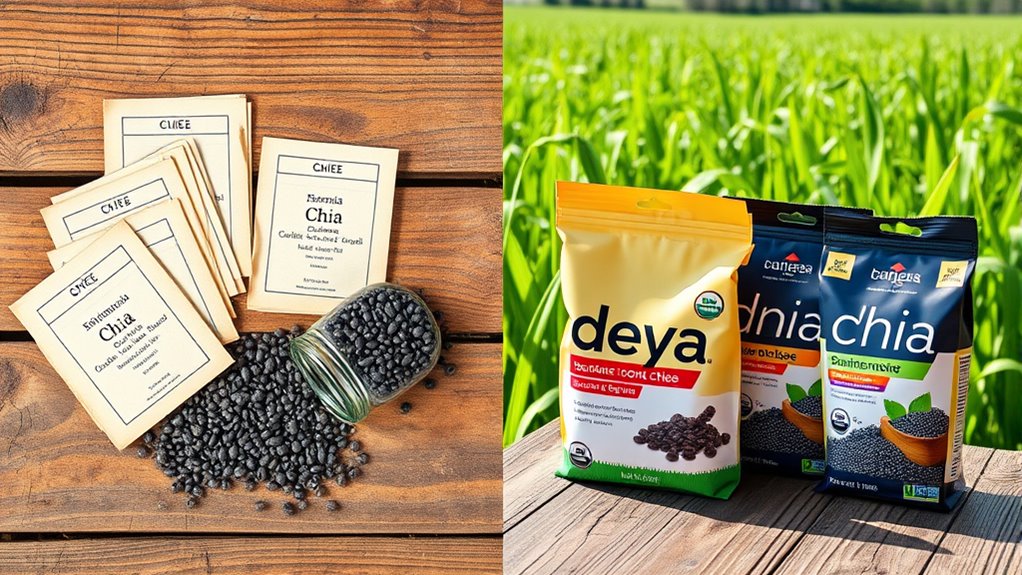

Historical chia cultivars, developed by indigenous communities, feature smaller seeds with unique flavors and nutritional profiles, shaped by traditional practices and regional adaptations. Modern cultivars, created through advanced breeding techniques like hybridization, focus on higher yields, drought resistance, and uniformity for commercial farming. These newer varieties are more adaptable to diverse climates and meet contemporary nutritional demands. Exploring both types reveals how traditional methods and modern science work together, offering a fascinating view of chia’s cultivation evolution.
Key Takeaways
- Indigenous communities historically cultivated native chia varieties with small seeds and unique nutritional traits.
- Modern cultivars are bred for higher yields, uniformity, and adaptability using advanced breeding techniques.
- Traditional practices shaped regional cultivars, especially in Mexico and Central America, emphasizing local environmental needs.
- Modern breeding focuses on traits like drought tolerance, pest resistance, and enhanced nutritional profiles.
- The transition from traditional to commercial cultivars reflects shifts in cultivation practices and technological advancements.
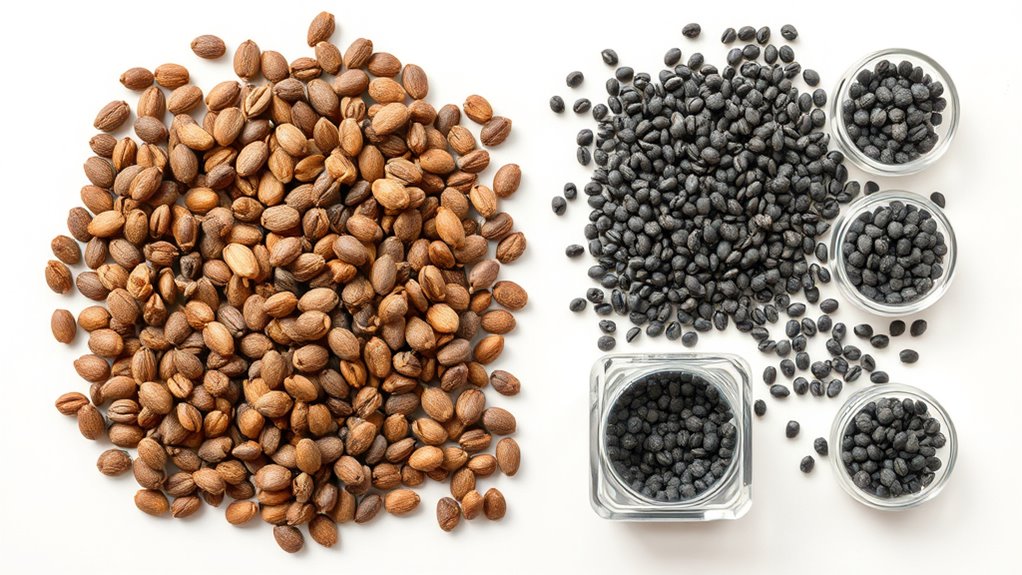
Chia seeds come in various cultivars, each with unique traits that can influence your farming choices and dietary preferences. When selecting a cultivar, you’ll want to contemplate how cultivar breeding techniques have shaped the plant’s characteristics, such as seed size, oil content, and growth habits. Modern breeding methods, including selective breeding and hybridization, enable you to develop cultivars that are more resilient, higher-yielding, or better adapted to specific environments. These techniques allow for the refinement of traits like drought tolerance, pest resistance, and seed nutritional profiles, giving you more control over the crop’s performance. Additionally, understanding the specific growing conditions preferred by each cultivar can help optimize yield and quality.
Understanding regional cultivation practices is equally critical because they directly impact which cultivars thrive in particular climates. For example, in Mexico and Central America—traditional chia-growing regions—you might favor cultivars that have been cultivated for centuries, adapted to local soil and weather conditions. These regional practices often involve specific soil preparation, planting schedules, and harvesting techniques that influence the overall quality of the seeds. You’ll find that some cultivars are better suited to arid environments, while others perform well in more humid, subtropical areas.
The history of chia cultivation reveals how traditional practices have shaped the development of different cultivars over time. Indigenous communities in Mexico, Guatemala, and parts of Central America have cultivated native varieties for generations, selecting for traits that suit their needs. These ancient cultivars often have smaller seeds, but they carry unique nutritional profiles and flavors. Modern cultivars, on the other hand, are often bred to optimize yield and uniformity, making them more suitable for large-scale commercial farming, especially in regions with different climatic conditions. Recognizing the influence of regional cultivation practices can help growers select the most suitable cultivars for their specific environment and production goals.

BetterBody Foods Organic Chia Seeds 2 lbs, 32 Oz, with Omega-3, Non-GMO, Gluten Free, Keto Diet Friendly, Vegan, Good Source of Fiber
NUTRIENT POWER: This omega powerhouse is full of other useful nutrients that will help men and women live…
As an affiliate, we earn on qualifying purchases.
As an affiliate, we earn on qualifying purchases.
Frequently Asked Questions
Are There Any Health Benefits Specific to Certain Chia Cultivars?
Certain chia cultivars offer specific health benefits due to their unique nutritional profiles. You’ll find cultivar-specific antioxidants that help fight oxidative stress, enhancing your immune health. Additionally, some cultivars contain higher levels of omega-3 fatty acids and fiber, supporting heart and digestive health. By choosing different cultivars, you can tailor your intake of these nutrients to meet your wellness goals, making your chia seed consumption more personalized and beneficial.
How Do Cultivation Practices Differ Between Historical and Modern Chia Varieties?
You’ll notice that cultivation practices differ mainly in seed selection and irrigation methods. Modern varieties often use carefully selected seeds to maximize yield and disease resistance, while historical methods relied on natural seed diversity. Additionally, irrigation has become more controlled and efficient in modern farming, ensuring consistent water supply and better crop quality. These advancements help improve productivity and adapt to changing environmental conditions, making modern practices more sustainable and reliable.
What Are the Challenges in Preserving Traditional Chia Cultivars?
You face preservation challenges in maintaining traditional chia cultivars due to declining genetic diversity, which makes them vulnerable to pests and climate changes. Limited seed access, loss of indigenous knowledge, and commercial pressures threaten these varieties’ survival. To overcome this, you need to promote seed conservation efforts, support local farmers, and document traditional cultivation practices, ensuring these unique cultivars remain part of your agricultural heritage for future generations.
Can Different Cultivars Affect the Flavor Profile of Chia Seeds?
Sure, different cultivars can totally change the game in flavor variation, making your chia seeds taste like a surprise party in your mouth. Cultivar selection is the secret sauce—some offer nutty notes, others go more earthy or mild. So, if you’re aiming for a specific flavor profile, you better pick your cultivar wisely. After all, not all chia seeds are created equal in the taste department!
Are Certain Cultivars More Suitable for Specific Climates or Regions?
Yes, certain chia seed cultivars are better suited for specific climates or regions. You should look for cultivars with regional adaptation and climate suitability to guarantee ideal growth. For instance, drought-tolerant varieties thrive in arid areas, while others prefer humid, cooler regions. Matching the cultivar to your local climate helps maximize yield, seed quality, and overall plant health, making your cultivation more successful.

Badia Trilogy Health Seed, Flax, Chia, Hemp Seeds Blend, High Fiber Superfood Mix, Omega-3, 21 oz
Halal
As an affiliate, we earn on qualifying purchases.
As an affiliate, we earn on qualifying purchases.
Conclusion
As you explore the rich tapestry of chia seed cultivars, you can almost taste the earthy aroma of ancient fields blending with the vibrant hues of modern varieties. Picture lush green leaves swaying in the breeze, seeds ripening beneath the sun’s gentle glow. Whether rooted in history or crafted for today’s tables, these cultivars invite you to savor a legacy of nourishment, connecting past and present in every tiny, potent seed you hold in your hand.

Chia Seeds for Planting – Mexican Salvia Hispanica Herb for Edible Seed Harvest and Ornamental Garden Flowers – Heirloom, Non GMO Variety –Survival Garden Seeds (5 Packs)
EDIBLE SEED HARVEST – Grow Mexican chia for abundant seed production; ideal for smoothies, baking, soaking, and long…
As an affiliate, we earn on qualifying purchases.
As an affiliate, we earn on qualifying purchases.
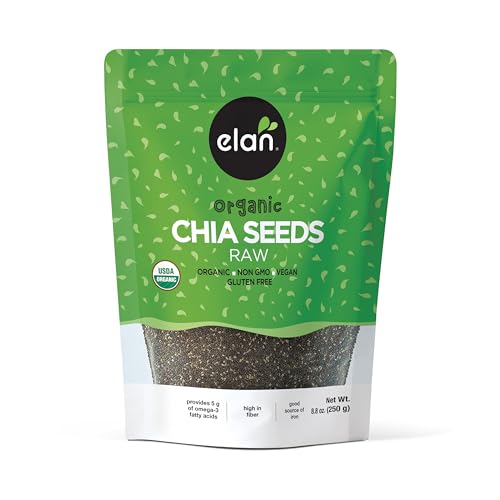
Elan Organic Chia Seeds, 8.8 oz, Natural Raw Black Chia Seeds, Plant-Based, Non-GMO, Vegan, Gluten-Free, Kosher, Gels Easily, Superfood
NUTRITIOUS SUPERFOOD: Elevate your healthy snacks with Elan Organic Chia Seeds. These small crunchy seeds gel easily, offering…
As an affiliate, we earn on qualifying purchases.
As an affiliate, we earn on qualifying purchases.