Exploring global cuisine with chia seeds reveals a rich history from ancient Mesoamerican traditions to today’s versatile kitchens. You can incorporate these nutrient-packed seeds into smoothies, puddings, baked goods, or even as an egg substitute, thanks to their neutral flavor and gel-like texture. Their use extends from traditional energizing drinks to modern gourmet dishes. Keep going to discover how chia seeds continue to inspire culinary creativity across cultures and cuisines worldwide.
Key Takeaways
- Chia seeds have historical roots in Mesoamerican cultures, used in energizing drinks and traditional dishes.
- Their neutral flavor and thickening ability enable diverse culinary uses worldwide, from smoothies to baked goods.
- Modern cuisine incorporates chia seeds into energy bars, puddings, and as egg substitutes, blending health with innovation.
- Globally, chefs and home cooks experiment with chia to add texture, nutrition, and visual appeal across various cuisines.
- Proper storage and creative usage help recreate traditional recipes or develop new dishes inspired by chia’s versatility.

Have you ever considered how a tiny seed can open a world of culinary possibilities? Chia seeds, despite their small size, pack a punch when it comes to nutritious benefits. They are loaded with omega-3 fatty acids, fiber, protein, and antioxidants, making them a powerhouse addition to your diet. But beyond their health perks, chia seeds are remarkably versatile in the kitchen, allowing you to experiment with countless recipes across different cuisines. Their neutral flavor and gel-like texture when soaked make them adaptable, fitting seamlessly into both sweet and savory dishes.
Discover the versatile, nutrient-packed world of chia seeds and unlock endless culinary possibilities.
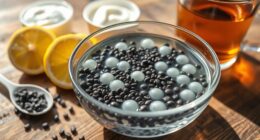
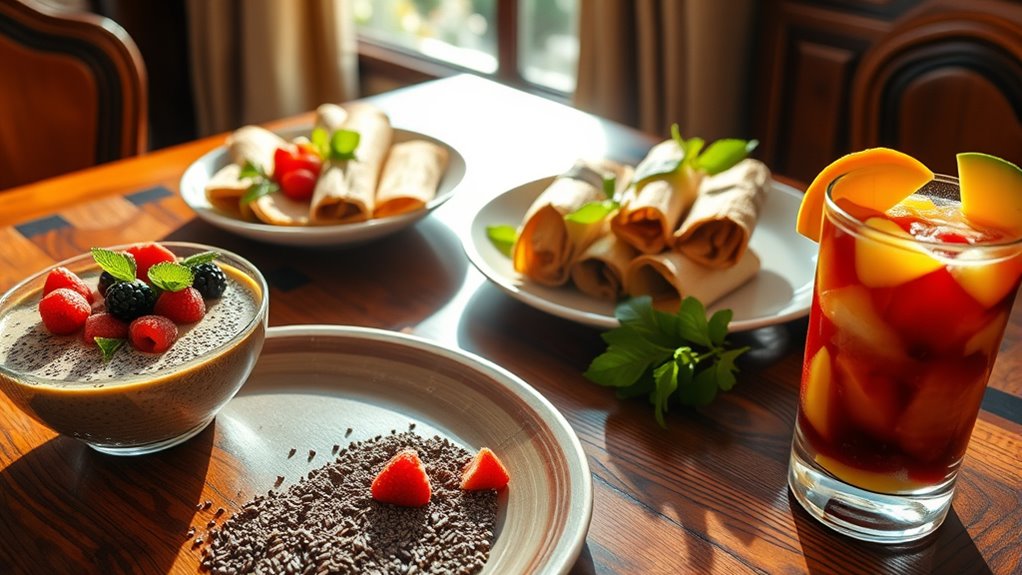
In traditional Mesoamerican cultures, chia seeds were valued not only for their health benefits but also for their culinary versatility. Indigenous peoples used them to create energizing drinks, such as chia water or “chia fresca,” which provided sustained energy during long journeys or physical labor. They added chia seeds to porridges, baked goods, and even made simple snacks by mixing them with honey or fruit. This long history highlights how versatile these seeds are, serving both nutritional and culinary needs with ease.
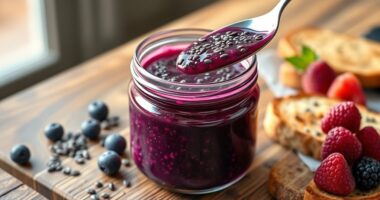
Today, chefs and home cooks worldwide continue to explore the many ways chia seeds can enhance dishes. Their ability to absorb liquids and create a gel-like consistency makes them perfect for thickening smoothies, puddings, and jams. You can sprinkle them over salads, yogurt, or oatmeal for a nutritious crunch. They also work well as an egg substitute in vegan baking, thanks to their binding properties. Their adaptability means you can incorporate them into almost any cuisine, from Mediterranean to Asian, without overpowering other flavors.
Chia seeds also open up new creative avenues in modern cooking. For example, you can craft chia seed-based energy bars or use them as a coating for baked proteins, adding texture and nutrition. The seeds’ neutral flavor acts as a blank canvas, allowing you to blend them with herbs, spices, and sweeteners to suit any dish. Their culinary versatility means you can experiment with textures and flavors, transforming simple ingredients into nutritious, eye-catching meals.
In essence, chia seeds are more than just a health trend; they’re a global culinary staple waiting to be explored. Their nutritious benefits support your well-being, while their versatility invites you to get creative in the kitchen. Incorporating proper storage methods ensures they stay fresh and retain their health benefits over time. Whether you’re recreating ancient recipes or inventing new ones, chia seeds offer endless possibilities to elevate your cooking and bring a touch of history and health to your table.
Frequently Asked Questions
Are Chia Seeds Suitable for People With Gluten Allergies?
Yes, chia seeds are suitable for people with gluten allergies because they are naturally gluten-free. If you’re following a gluten-free diet, you can safely incorporate chia seeds into your meals, but always check labels for cross-contamination. They’re a great addition for allergy considerations, providing fiber, omega-3s, and protein without risking gluten exposure. Just be sure to buy from reputable sources to avoid any gluten cross-contact.
Can Chia Seeds Replace Eggs in Baking Recipes?
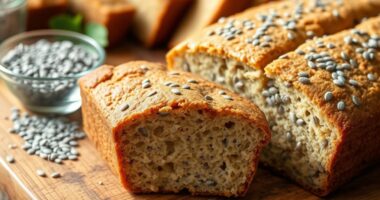
Sure, chia seeds can totally replace eggs in your vegan baking adventures—who needs eggs anyway? Just mix a tablespoon of chia seeds with three tablespoons of water, let it gel, and voilà, you’ve got an egg replacer! It’s perfect for muffins, pancakes, or cookies. So go ahead, embrace your inner vegan baker and let chia seeds do the work, proving that plant-based ingredients can be just as versatile.
How Do Chia Seeds Impact Blood Sugar Levels?
Chia seeds help with blood sugar regulation by slowing down digestion, which reduces your glycemic response. When you include chia seeds in your diet, they form a gel-like consistency that stabilizes blood sugar levels after meals. This means you’ll experience steadier energy and fewer sugar spikes. Incorporating chia seeds regularly can support overall metabolic health and contribute to better blood sugar management over time.
What Are the Environmental Benefits of Chia Seed Cultivation?
By cultivating chia seeds, you support sustainable farming practices that use less water and require fewer chemicals, reducing environmental impact. This encourages biodiversity preservation, as chia fields often serve as habitats for various species. Your choice promotes eco-friendly agriculture, helping to protect ecosystems and promote healthier soils. Choosing chia seeds aligns with environmental conservation efforts, making your diet more sustainable while supporting global efforts to preserve biodiversity.
Are There Any Cultural Taboos Associated With Chia Seed Consumption?
You won’t find many cultural taboos against chia seed consumption today, but some traditional practices may restrict their use. In certain cultures with specific dietary restrictions, like those related to traditional or religious practices, you might see chia seeds avoided or used in limited ways. It’s always good to respect these traditions, especially if you’re exploring diverse cuisines, and consider how traditional consumption practices influence acceptance of chia seeds in different communities.
Conclusion
As you continue to explore the diverse world of cuisine, chia seeds gently invite you to embrace their subtle versatility. These tiny wonders quietly enhance flavors and textures, enriching your culinary journey with a touch of history and health. So, let their delicate presence inspire you to experiment and savor each dish, knowing that sometimes, the smallest ingredients can bring the most delightful surprises. Enjoy discovering new tastes, and let chia seeds be your subtle guide.