
Chia seeds have a very low glycemic index, meaning they cause minimal blood sugar spikes. Their high fiber content slows digestion and nutrient absorption, helping stabilize blood glucose levels after meals. This makes them an excellent choice if you’re aiming to manage your blood sugar or support metabolic health. Their gentle impact on blood sugar also aids in feeling full longer and controlling cravings. Keep exploring to discover more about how chia seeds can benefit your health.
Key Takeaways
- Chia seeds have a very low glycemic index (GI), causing minimal blood sugar spikes.
- Their high fiber content slows digestion, contributing to stable blood glucose levels.
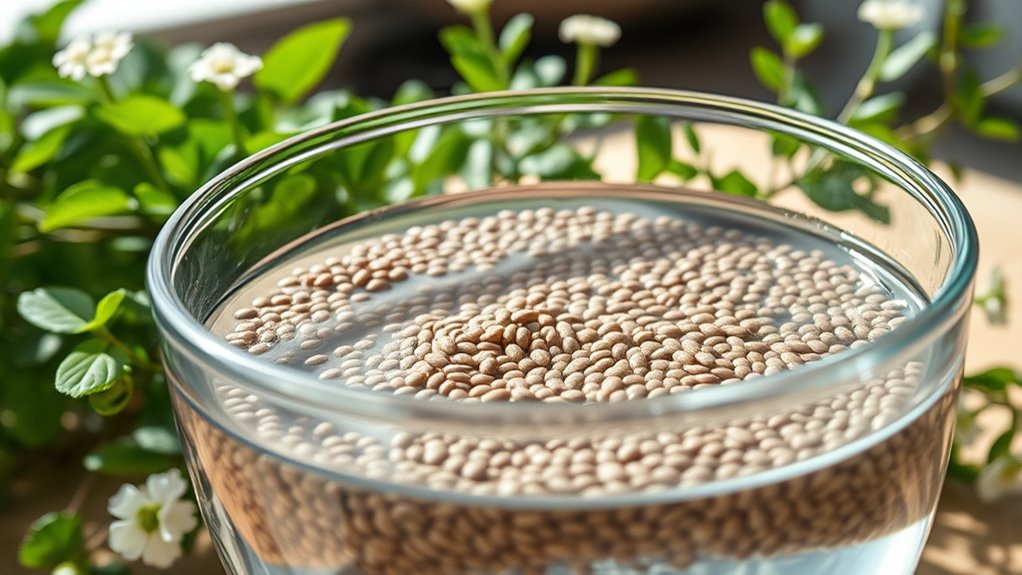
- When soaked or mixed with liquids, chia forms a gel that further reduces GI impact.
- Consuming chia seeds supports glycemic control, especially for insulin sensitivity and diabetes management.
- Their low GI makes chia an ideal addition for blood sugar regulation and sustained energy.
Chia seeds have gained popularity as a nutritious superfood, partly because of their impressive health benefits. When you include them in your diet, you’ll notice they’re not only versatile but also packed with nutrients like fiber, omega-3 fatty acids, and antioxidants. One key aspect that makes chia seeds stand out is their effect on digestion and blood sugar levels. Understanding how chia seed digestion influences your blood sugar can help you make smarter dietary choices, especially if you’re managing conditions like diabetes or trying to stabilize your energy throughout the day.
Chia seeds support blood sugar stability through their fiber-rich, slow-digesting properties.
As you consume chia seeds, their high fiber content plays a central role in how they’re digested. The soluble fiber in chia swells when mixed with liquids, forming a gel-like substance that slows down the process of digestion. This gel formation means that nutrients are released gradually into your bloodstream, which has a significant impact on blood sugar levels. Instead of experiencing rapid spikes, your body absorbs sugars more slowly, helping to maintain steady energy levels and reduce the likelihood of cravings or crashes. This slow digestion process makes chia seeds particularly beneficial for people concerned with blood sugar management, as it contributes to better glycemic control.
The impact on blood sugar is closely tied to how your body processes the carbohydrates in chia seeds. Although they contain some carbs, these are mostly fiber and have minimal immediate effect on blood glucose. Because of this, chia seeds have a very low glycemic index, meaning they don’t cause sharp increases in blood sugar. Instead, they support a balanced blood sugar response, which is especially advantageous for individuals with insulin sensitivity or diabetes. Incorporating chia seeds into meals can help mitigate post-meal blood sugar spikes, making them an excellent addition to breakfast or snacks aimed at stabilizing glucose levels throughout the day.
Furthermore, the slow digestion facilitated by chia seeds’ fiber content can improve your overall metabolic health. By preventing rapid fluctuations in blood sugar, you’re less likely to experience the energy dips that come with high-glycemic foods. This steadiness can also contribute to better appetite regulation, helping you feel fuller longer and supporting weight management goals. Because chia seeds are easy to add to smoothies, yogurt, or oatmeal, they’re a practical way to enhance your diet’s fiber content and promote healthier digestion and blood sugar control.
Being aware of the glycemic index of foods like chia seeds can help you make more informed choices for your diet and health.
Top picks for "explor glycemic index"
Open Amazon search results for this keyword.
As an affiliate, we earn on qualifying purchases.
Frequently Asked Questions
Do Chia Seeds Affect Blood Sugar Levels Differently When Soaked or Raw?
Soaking chia seeds can slightly alter their effect on blood sugar levels compared to eating them raw. When soaked, the chia seed texture becomes gel-like, which may slow nutrient absorption and help stabilize blood sugar. Raw seeds have a crunchier texture and may cause a quicker spike. Overall, soaking chia seeds may promote better blood sugar control by enhancing nutrient absorption and providing a more gradual release of sugars.
How Does Chia Seed Preparation Impact Their Glycemic Index?
Your preparation method markedly impacts the glycemic index of chia seeds. When you soak the seeds, they become easier to digest, which can lower their GI. Conversely, eating them raw or dry may result in a slightly higher GI due to slower digestion. By experimenting with seed soaking and different preparation methods, you can better control blood sugar responses and incorporate chia seeds into your diet more effectively.
Are There Differences in Glycemic Response Among Various Chia Seed Brands?
Yes, there are differences in glycemic response among various chia seed brands. Brand variation and seed processing methods can influence how quickly your body absorbs the nutrients. Some brands may process seeds differently or mix in additives, affecting the glycemic index. To minimize spikes, choose high-quality, minimally processed chia seeds from reputable brands and check for labels indicating natural or raw processing.
Can Chia Seeds Be Included in Low-Glycemic Diets Safely?
Yes, you can safely include chia seeds in low-glycemic diets. Their high chia seed fiber helps slow sugar absorption, keeping your blood sugar stable. Plus, the antioxidants in chia seeds support overall health. Just remember to consume them in moderation and pair them with other low-glycemic foods. Incorporating chia seeds boosts fiber intake and provides beneficial antioxidants, making them a smart choice for your low-glycemic eating plan.
How Do Chia Seeds Compare to Other Seeds Regarding Glycemic Impact?
Think of chia seeds as the calm, steady ship among the fleet of seeds. They have a low glycemic impact, thanks to their high fiber content, unlike sunflower or pumpkin seeds which can cause sharper blood sugar swings. With their rich nutrient profile and versatile culinary uses—like puddings, smoothies, or toppings—chia seeds offer a gentle, nourishing option that supports stable blood sugar levels better than many other seeds.
Conclusion
Now that you know chia seeds have a low glycemic index, you can confidently include them in your meals to help manage blood sugar levels. Remarkably, just one ounce of chia seeds contains about 12 grams of fiber, which further slows carbohydrate absorption. Incorporating these tiny seeds into your diet not only boosts nutrition but also supports steady energy. So, next time you’re craving a snack, chia seeds are a smart, tasty choice to keep your blood sugar balanced.