
Chia seeds can help stabilize your blood sugar, but if you take medication or have diabetes, they might also cause hypoglycemia, especially if you consume large amounts or don’t adjust your dosage. Their gel-forming property slows carb absorption, which is beneficial but can lead to unsafe blood sugar drops if not managed carefully. To stay safe, monitor your levels closely and follow proper consumption guidelines—more details can help you use chia seeds wisely.
Key Takeaways
- Chia seeds can lower blood sugar levels, increasing hypoglycemia risk when combined with diabetes medications.
- Excessive or rapid intake may cause blood sugar to drop too quickly, leading to symptoms like dizziness or weakness.
- The gel-forming property of chia seeds slows carbohydrate absorption, which can cause unsafe blood sugar lows if not managed carefully.
- Individuals on blood sugar-lowering medications should monitor their levels closely when adding chia seeds to their diet.
- Proper portion control and consultation with healthcare providers are essential to prevent unintended hypoglycemia.
Chia seeds have gained popularity as a health food, especially for those managing blood sugar levels. They’re often touted for their ability to stabilize blood sugar and improve overall metabolic health. When you incorporate chia seeds into your diet, you might notice better blood sugar management, partly because they can slow carbohydrate absorption. This effect helps prevent sudden spikes in blood sugar after meals. Additionally, chia seeds and insulin sensitivity are closely linked; consuming them regularly may enhance how your body responds to insulin, making blood sugar regulation more efficient. This makes chia seeds a favored choice for people with insulin resistance or type 2 diabetes.
However, despite these benefits, it’s vital to be aware of potential risks, especially if you’re prone to hypoglycemia. Because chia seeds can help stabilize blood sugar and boost insulin sensitivity, they may, in some cases, lower blood sugar too much. If you’re taking medication for diabetes, adding plenty of chia seeds without adjusting your dosage might cause your blood sugar to drop to unsafe levels. You could experience symptoms like dizziness, sweating, weakness, or confusion. It’s imperative to monitor your blood sugar closely when making dietary changes involving chia seeds, particularly if you’re on insulin or other glucose-lowering medications.
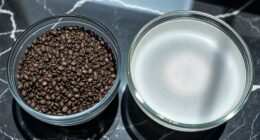
Chia seeds absorb liquid and form a gel-like consistency, which can impact how quickly your body absorbs nutrients. This gel-forming property can be beneficial for blood sugar control, but it also means that if you consume a large amount of chia seeds in a short period, your blood sugar could drop too rapidly. To minimize this risk, start with small servings and observe how your body reacts. Spreading out your chia seed intake throughout the day can help maintain steady blood sugar levels, preventing sudden drops. Moreover, understanding beneficial dietary habits can further support safe and effective blood sugar management when incorporating chia seeds into your routine.
Additionally, if you decide to incorporate chia seeds into your diet for blood sugar management, it’s vital to do so thoughtfully. Consider consulting with a healthcare professional, especially if you’re on medication. They can help you tailor your intake appropriately and avoid the risk of hypoglycemia. Remember, while chia seeds can be a helpful addition for improving insulin sensitivity, moderation is key. Eating too many or consuming them without proper monitoring could lead to unintended drops in blood sugar, which can be dangerous. Ultimately, chia seeds can be a valuable part of your diet, but understanding their effects and using them responsibly ensures you benefit without risking hypoglycemia.
Frequently Asked Questions
Can Chia Seeds Cause Allergic Reactions Related to Blood Sugar?
Yes, chia seeds can cause allergic reactions that may impact your blood sugar levels. If you’re allergic, you might experience symptoms like swelling, rash, or difficulty breathing, which can disrupt normal blood sugar regulation. It is crucial to watch for any allergic responses after consuming chia seeds. If you notice symptoms, stop intake and consult a healthcare professional promptly to prevent potential blood sugar issues.
Are There Specific Medications That Interact With Chia Seeds Affecting Blood Sugar?
Yes, certain medications can interact with chia seeds and impact your blood sugar. If you’re on diabetes medications like insulin or oral hypoglycemics, chia seeds might enhance their effects, increasing the risk of hypoglycemia. Always consult your healthcare provider before adding chia seeds to your diet, especially if you’re taking medications, to avoid unintended medication interactions and monitor your blood sugar levels closely.
How Much Chia Seeds Is Safe for People With Hypoglycemia?
You should limit chia seed intake to about 1 to 2 tablespoons daily to support safe blood sugar regulation. Studies show that just 1 ounce (28 grams) of chia seeds can help stabilize blood sugar levels, but exceeding this might cause hypoglycemia, especially if you’re on blood sugar-lowering medications. Always start with small amounts, monitor your blood sugar, and consult your healthcare provider to determine the right chia seed dosage for you.
Do Chia Seeds Affect Insulin Sensitivity Over Long-Term Use?
Long-term use of chia seeds may improve insulin sensitivity and positively influence blood sugar levels. The fiber and omega-3s in chia seeds help reduce insulin resistance, making your body respond better to insulin over time. However, individual responses vary, so it is crucial to monitor your blood sugar levels and consult your healthcare provider regularly. Incorporating chia seeds into a balanced diet can support your overall metabolic health.
Can Chia Seeds Replace Diabetes Medications Safely?
Like a knight from a medieval tale, you shouldn’t rely solely on chia seeds to replace your diabetes medications. While they can be a helpful nutritional alternative, they don’t provide the thorough management your doctor prescribes. Relying on chia seeds alone risks uncontrolled blood sugar. Always consult your healthcare provider for proper diabetes management and consider chia seeds as a supplement, not a substitute, for your prescribed treatment plan.
Conclusion
So, stay mindful when munching on chia seeds, especially if you’re managing blood sugar. Their tiny texture can trigger tricky drops, risking hypoglycemia. By balancing bites and being vigilant, you’ll prevent potential pitfalls and keep your blood sugar steady. Remember, moderation and mindful monitoring make all the difference. With awareness and wise choices, you can enjoy chia seeds safely and savor their benefits without slipping into trouble.