Chia seeds are ideal for gluten-free diets because they’re packed with essential nutrients like fiber, omega-3s, and proteins that boost your overall wellness. They’re versatile, acting as natural thickeners and binders in baking and cooking, which is great for gluten-free recipes. Plus, they help improve digestion and keep you feeling full longer. To discover how these tiny seeds can enhance your gluten-free meals, keep exploring the benefits they offer.
Key Takeaways
- Chia seeds are naturally gluten-free, making them safe for those with gluten sensitivities or celiac disease.
- They serve as versatile thickeners and binders in gluten-free baking, improving texture and structure.
- Rich in fiber, omega-3s, and nutrients, they help enhance the nutritional profile of gluten-free meals.
- Easy to incorporate into daily diets, offering a simple way to boost nutrient intake without gluten.
- Support satiety and digestion, aiding in weight management and overall wellness for gluten-free eaters.
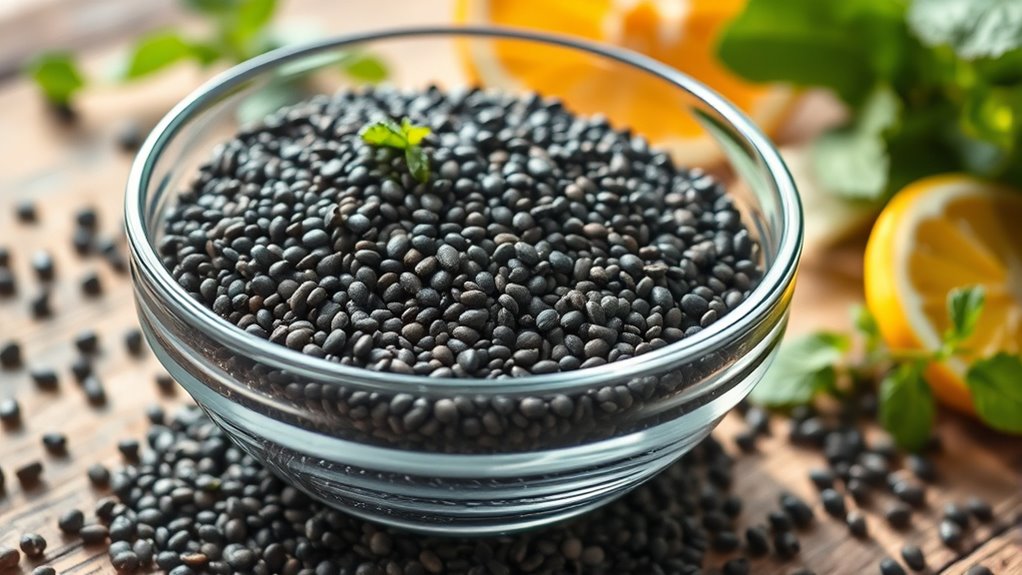
If you’re following a gluten-free diet, incorporating chia seeds can be a smart move. These tiny powerhouses are packed with nutritional benefits that support your overall health and make meal preparation easier. Chia seeds are rich in fiber, omega-3 fatty acids, protein, vitamins, and minerals, all of which are essential for maintaining energy levels, supporting digestion, and promoting heart health. Because they’re naturally gluten-free, you don’t have to worry about cross-contamination or hidden gluten in processed foods. Their versatility makes them an excellent addition to your diet, especially when you’re looking to boost nutrient intake without sacrificing flavor or variety.
One of the reasons chia seeds are so appealing is their culinary uses. They can be seamlessly integrated into your daily meals in countless ways. When soaked in liquid, they form a gel-like consistency, which makes them perfect for thickening smoothies, puddings, or dairy-free yogurt. You can sprinkle them over salads, oatmeal, or cereal for added crunch and nutrition. They also work well as an egg substitute in baking — just combine a tablespoon of chia seeds with three tablespoons of water, let it sit for a few minutes, and you create a gel that binds ingredients together. This makes them invaluable for gluten-free baking, where traditional gluten-based binders are absent.
Beyond their functional uses, chia seeds add a subtle nutty flavor that complements both sweet and savory dishes. You can mix them into pancake batter, use them as a topping for fruit bowls, or incorporate them into energy bars. Their neutral taste makes them adaptable to various cuisines and recipes, so you can enjoy their health benefits without altering your favorite dishes too much. Plus, because they expand when soaked, they help you feel fuller longer, which can aid in weight management and prevent overeating.
In addition to their many uses, chia seeds are a source of nutrients that support overall wellness, making them especially beneficial in a balanced diet. Incorporating chia seeds into your gluten-free diet is straightforward and rewarding. Their nutritional benefits support your body’s needs, especially when gluten-free options are limited or less fortified. Their culinary versatility allows you to experiment with textures and flavors, enriching your meals while ensuring you get essential nutrients. Whether you’re adding them to smoothies, baking, or simply sprinkling them on top of your meals, chia seeds are a convenient, healthy, and tasty way to enhance your diet. With their numerous benefits and easy integration into everyday cooking, they truly are a smart addition for anyone following a gluten-free lifestyle.

COSORI Food Dehydrator, Bigger Than 7 Trays with Large 6.5 ft² Drying Space, Stainless Steel Trays, 600W Faster Drying, 165°F Dehydrated Dryer for Jerky, Dog Treats, Herbs, Meat, Fruit, Yogurt, Silver
𝗕𝗜𝗚𝗚𝗘𝗥 𝗧𝗛𝗔𝗡 𝟳 𝗧𝗥𝗔𝗬𝗦: With 6 stainless steel trays providing 6.5 ft² of drying space, this dehydrator is...
As an affiliate, we earn on qualifying purchases.
Frequently Asked Questions
Can Chia Seeds Replace Gluten in Baking Recipes?
Yes, you can use chia seeds to replace gluten in baking recipes. When soaked, chia seeds create a gel that helps with texture enhancement, mimicking the elasticity gluten provides. They also add a nutritional boost, providing fiber, omega-3s, and protein. Incorporate ground or whole chia seeds into your recipes to improve structure and moisture, making your baked goods delicious and suitable for gluten-free diets.
Are Chia Seeds Suitable for All Gluten-Free Diets?
Yes, chia seeds are suitable for all gluten-free diets, provided they have the proper gluten-free certifications. You should always check labels to verify no cross-contamination. When storing chia seeds, keep them in an airtight container in a cool, dark place to maintain freshness. Incorporating chia seeds into your meals can boost nutrition without risking gluten exposure, making them a versatile, safe choice for your gluten-free lifestyle.
How Do Chia Seeds Affect the Taste of Gluten-Free Foods?
You might think chia seeds add a wild flavor to your gluten-free foods, but surprisingly, they’re quite subtle. Instead, they enhance flavor by acting as a natural flavor enhancer, balancing the dish’s overall taste. Plus, their unique gel-like texture modifies the texture, making baked goods more moist and chewy without overpowering the original flavors. So, rather than changing everything, they quietly elevate your gluten-free creations.
Do Chia Seeds Have Any Potential Allergen Concerns?
You might have allergenic protein concerns with chia seeds, especially if you have seed sensitivities. While rare, some people could react to chia’s proteins, causing allergic symptoms. If you’ve experienced seed allergies before, it’s wise to consult your healthcare provider before adding chia seeds to your diet. Always monitor for any adverse reactions, and start with small amounts to ensure you don’t have an allergenic response.
What Is the Recommended Daily Intake of Chia Seeds?
You should aim for about 1 to 2 tablespoons of chia seeds daily, which offers impressive nutritional benefits like omega-3s and fiber. Just 15 grams provides nearly 5 grams of fiber and 3 grams of protein. For serving suggestions, sprinkle them on yogurt, blend into smoothies, or add to oatmeal. This small amount packs a powerful punch, supporting your overall health and gluten-free diet.

400cc Oxygen Absorbers for Food Storage - 100 Count (20x Packs of 5) - for Long Term Food Storage & Survival, Mylar Bags, Canning, Harvest Right Freeze Dryer, Dehydrated, and Preserved Foods
NOTE - Bags may NOT shrink like a vacuum bag when the oxygen has been removed. Absorbers do...
As an affiliate, we earn on qualifying purchases.
Conclusion
By incorporating chia seeds into your gluten-free journey, you’re gently nurturing your well-being with a humble yet powerful ally. They quietly support your goals, offering nourishment without fuss, like a trusted friend who understands your needs. Remember, sometimes the smallest seeds hold the greatest potential. With patience and care, your path becomes smoother, revealing that true strength often comes from simple, mindful choices that nurture you from within.
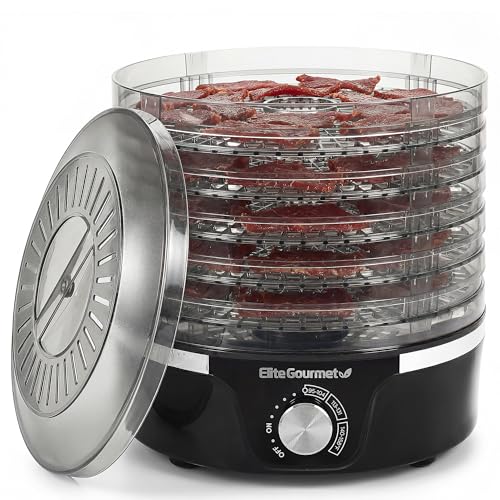
Elite Gourmet EFD319 Food Dehydrator, 5 BPA-Free 11.4" Trays Adjustable Temperature Controls, Jerky, Herbs, Fruit, Veggies, Dried Snacks, Black
CUSTOM TEMPERATURE CONTROL FOR PERFECT RESULTS: Adjustable temperature range from 95°F–158°F lets you dry fruits, vegetables, herbs, mushrooms...
As an affiliate, we earn on qualifying purchases.
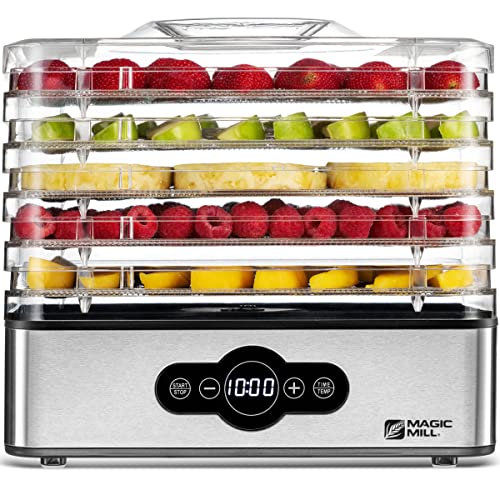
Magic Mill Food Dehydrator Machine | 5 Stackable Stainless Steel Trays, 48H Digital Adjustable Timer & Temperature Control Upto 167° Electric Dryer & Preserver for Jerky, Fruit, Dog Treats & Much More
POWERFUL FOOD DRYING PROCESS - Magic Mill Compact Food Dehydrator Machine streamlines 240W drying capacity that offers an...
As an affiliate, we earn on qualifying purchases.