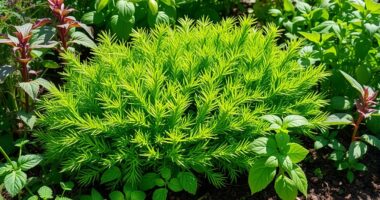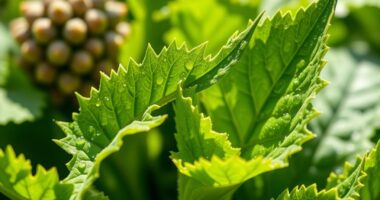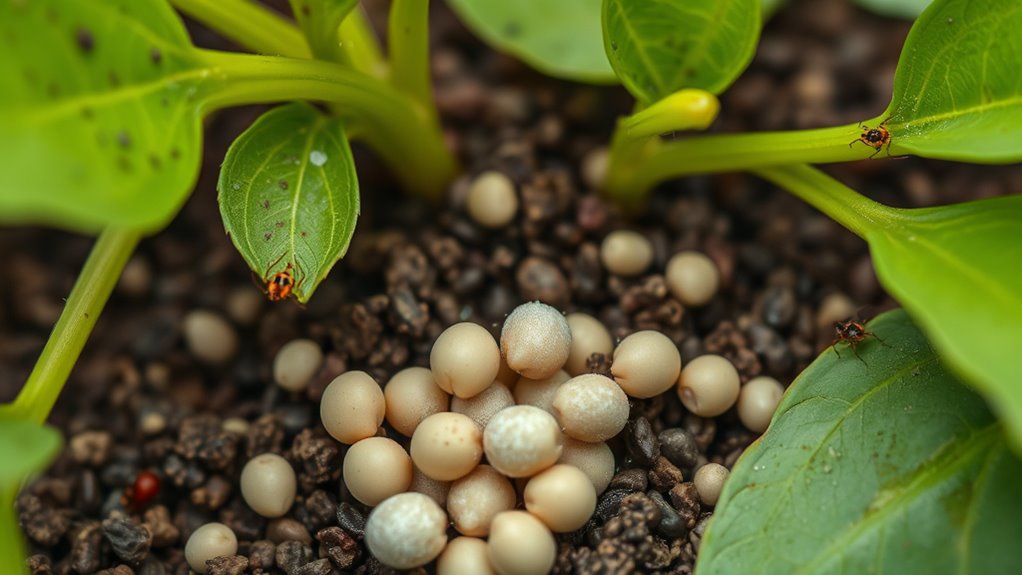
In chia cultivation, you’ll often encounter pests like aphids, spider mites, and beneficial insects like ladybugs can help control them naturally. Diseases such as root rot and mold may also threaten your crop, especially in humid conditions. To safeguard your plants, practice crop rotation, guarantee good airflow, and use organic sprays like neem oil. For more tips on managing these issues effectively, keep exploring ways to keep your chia healthy and productive.
Key Takeaways
- Common pests include aphids, spider mites, and beetles, which can be managed with beneficial insects and organic sprays.
- Fungal diseases like root rot and damping-off threaten chia crops, especially in poorly drained soils.
- Using disease-resistant seed varieties and practicing crop rotation reduces pathogen buildup.
- Proper cultural practices, such as adequate spacing and good airflow, help prevent disease development.
- Regular monitoring and prompt removal of infected plants are essential for effective pest and disease control.
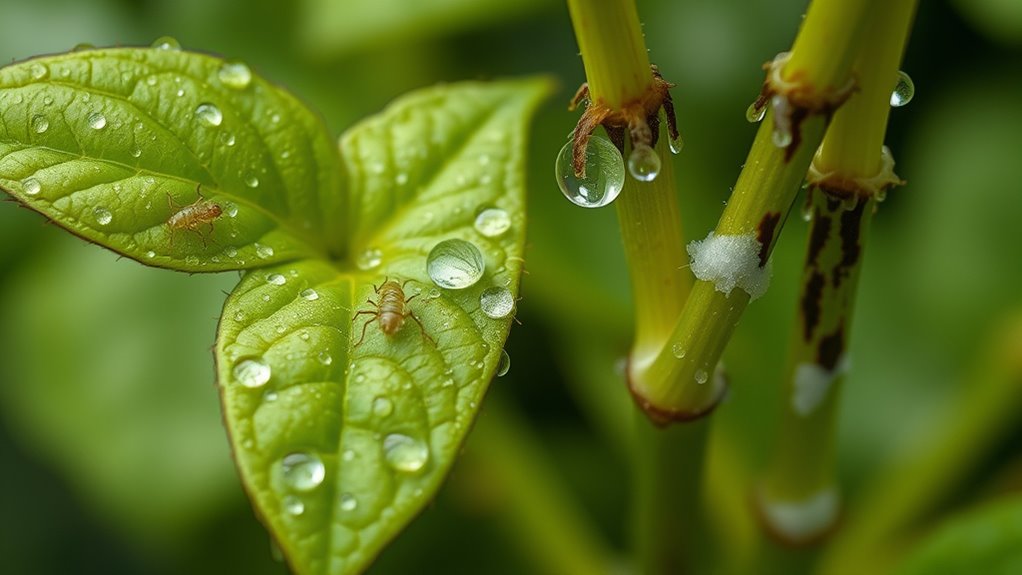
Chia cultivation can be highly productive, but pests and diseases pose substantial threats that can reduce yields and quality. To protect your crop, it’s essential to implement effective management strategies. One of the most sustainable approaches is organic pest control, which minimizes chemical use and promotes natural pest suppression. You can encourage beneficial insects like ladybugs and predatory beetles that feed on common pests such as aphids and spider mites. Regularly inspecting your plants helps you catch infestations early, making organic methods more effective. Using organic-approved sprays like neem oil or insecticidal soaps can also control pests without harming your chia plants or the environment.
Alongside organic pest control, selecting disease-resistant varieties plays a critical role in maintaining healthy crops. Disease-resistant seeds are bred to withstand common pathogens, reducing the need for chemical interventions and enhancing overall plant vigor. When choosing your chia seeds, prioritize varieties known for their resilience against fungal or bacterial infections, especially in humid or rainy conditions where diseases tend to thrive. Proper crop rotation and avoiding overly dense planting can further reduce the risk of disease development by improving airflow and decreasing moisture buildup around plants.
You should also be mindful of environmental conditions that favor pests and diseases. Maintaining proper soil drainage, avoiding excessive watering, and ensuring good air circulation can considerably decrease the likelihood of issues like mold, rust, or root rot. Mulching around plants not only helps conserve soil moisture but also acts as a barrier against soil-borne pathogens. If you notice signs of pests or diseases, act swiftly—removing infected plants or applying organic controls can prevent the problem from spreading. Incorporating HEPA filtration or other air purification methods in storage and processing areas can also help reduce airborne pathogens and spores that might affect stored chia seeds.
Frequently Asked Questions
How Can I Prevent Pests From Infesting My Chia Crops?
To prevent pests from infesting your chia crops, practice crop rotation to disrupt pest life cycles and reduce their buildup. Encourage beneficial insects like ladybugs and predatory beetles, which naturally control pest populations. Keep your fields healthy by maintaining proper soil and water management, and regularly inspect plants for early signs of pests. Combining these strategies creates a balanced environment that minimizes pest risks effectively.
Are There Natural Remedies for Chia Plant Diseases?
Did you know that over 80% of farmers prefer natural pest control methods? You can use organic treatments like neem oil or insecticidal soaps to manage chia plant diseases effectively. These natural remedies not only protect your crops but also guarantee your chia remains chemical-free. Regularly applying these organic treatments helps prevent disease spread, keeping your chia healthy and thriving without relying on synthetic chemicals.
What Signs Indicate a Pest Infestation in Chia Plants?
You’ll notice pest infestations in your chia plants through visual damage like holes, discoloration, or wilting leaves. Look for pest trails, which are small, silvery or sticky streaks on stems and leaves caused by feeding insects. Keep an eye out for tiny insects or eggs on the plant surface. Early detection helps you act quickly to prevent further damage and protect your chia crop effectively.
How Often Should I Inspect My Chia Fields for Diseases?
You should inspect your chia fields weekly, especially during peak growing seasons. Use inspection techniques like visually checking leaves, stems, and roots for discoloration, spots, or unusual growths. Regular timing intervals help catch issues early, preventing severe infestations or diseases. Pay close attention after rain or high humidity, as these conditions favor disease development. Consistent inspections guarantee you can take prompt action to safeguard your crop’s health and yield.
Which Environmental Conditions Favor Pest Outbreaks in Chia Cultivation?
A wise gardener knows that “a little water breeds trouble.” In chia cultivation, pest outbreaks flourish when soil moisture is high and temperature fluctuations are frequent. These conditions create a perfect environment for pests to thrive and reproduce. You should keep a close eye on your fields, especially during warm, humid periods, to catch early signs of infestation and prevent widespread damage. Monitoring helps keep pests at bay.
Conclusion
As you tend to your chia crops, imagine a lush green sea swaying under the sun, free from pests and diseases. By staying vigilant and applying proper management, you create a safe haven for your plants to flourish. Picture healthy, vibrant chia seeds ready to be harvested, shining like tiny jewels in the sunlight. With careful attention, you can turn your fields into a thriving oasis, ensuring your chia garden remains resilient and bountiful.