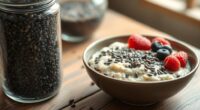
Phytic acid in chia seeds binds minerals like calcium, iron, zinc, and magnesium, which can slightly reduce how well your body absorbs these nutrients. It also inhibits digestive enzymes, slowing nutrient breakdown. However, if you prepare chia seeds properly—like soaking, sprouting, or fermenting—you can decrease phytic acid levels and improve nutrient absorption. Understanding these processes helps you maximize chia’s health benefits. Keep exploring to learn effective ways to enjoy chia seeds fully.
Key Takeaways
- Phytic acid in chia seeds binds minerals like calcium, iron, and zinc, potentially reducing their absorption.
- Proper preparation methods (soaking, sprouting, fermenting) can significantly decrease phytic acid levels.
- The mineral-binding effect of phytic acid is minimal in a balanced diet with varied nutrient sources.
- Phytic acid also offers antioxidant benefits, contributing to overall health.
- Consuming chia seeds alongside other nutrient-rich foods helps mitigate any minor mineral absorption issues.

Have you ever wondered what makes chia seeds both nutritious and unique? One key factor is their content of phytic acid, a natural compound found in many seeds, grains, and legumes. While phytic acid has earned a reputation for potentially reducing mineral absorption, it also plays a crucial role in plant growth and seed development. When you consume chia seeds, you’re getting more than just fiber and omega-3s—you’re also ingesting phytic acid, which can influence how your body absorbs essential nutrients.
Phytic acid is known for its ability to bind minerals like calcium, iron, zinc, and magnesium—a process called mineral binding. This means that, in your digestive tract, phytic acid can attach to these minerals, forming insoluble complexes that your body can’t easily absorb. As a result, high levels of phytic acid may slightly decrease the bioavailability of these nutrients, especially if your diet relies heavily on plant-based foods with limited mineral diversity. However, for most people with a balanced diet, this effect is often minimal and unlikely to cause deficiencies.
Phytic acid can reduce mineral absorption but is usually minimal with a balanced diet.
Another important aspect of phytic acid is enzymatic inhibition. Enzymes are proteins that facilitate essential digestion processes, such as breaking down carbohydrates, proteins, and fats. Phytic acid can inhibit certain digestive enzymes, particularly phytases, which are responsible for breaking down phytate into more absorbable forms. When enzymatic activity is hindered, it can slow down nutrient release from foods, making some nutrients less accessible to your body. This can be especially relevant for individuals who consume large amounts of plant-based foods without adequate preparation methods to reduce phytic acid levels.
Despite these mechanisms, it’s important to recognize that phytic acid isn’t solely a nutrient antagonist. It also has antioxidant properties, contributing to health benefits like reducing oxidative stress. additionally, traditional food preparation techniques such as soaking, sprouting, fermenting, or roasting can considerably diminish phytic acid content, thereby reducing mineral binding and enzymatic inhibition. By incorporating these practices, you can enjoy the nutritional benefits of chia seeds while minimizing concerns about mineral absorption.
In essence, understanding phytic acid’s dual role helps you make informed choices about consuming chia seeds. While it can interfere with mineral absorption through mineral binding and enzymatic inhibition, proper food preparation and a diverse diet can help you maximize the benefits of these nutrient-rich seeds without worry.
Frequently Asked Questions
Does Soaking Chia Seeds Reduce Phytic Acid Levels?
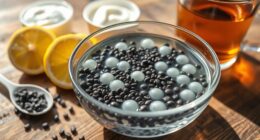
Yes, soaking chia seeds can reduce phytic acid levels. Soaking benefits include activating enzymes that break down phytic acid, making nutrients more accessible. When you soak chia seeds, you help decrease phytic acid, which can otherwise bind minerals like iron and zinc, inhibiting absorption. To maximize these benefits, soak your chia seeds for at least 10-15 minutes or overnight, ensuring you enjoy better nutrient absorption and improved digestion.
Can Phytic Acid Cause Nutrient Deficiencies?
Phytic acid can cause concern because it hampers mineral absorption, potentially increasing deficiency risk if you rely heavily on high-phytate foods like chia seeds. While moderate consumption generally doesn’t cause deficiencies, excessive intake might interfere with absorbing essential minerals like iron and zinc. Stay balanced by soaking or sprouting chia seeds, which reduces phytate levels and promotes better nutrient absorption, helping you avoid deficiency dangers and keep your diet healthy and harmonious.
Are Organic Chia Seeds Safer Regarding Phytic Acid Content?
Yes, organic chia seeds are generally safer regarding phytic acid content because organic farming minimizes chemical use, which can influence seed quality. Additionally, seed processing methods like soaking, sprouting, or fermenting can reduce phytic acid levels, making nutrients more accessible. Choosing organic chia seeds and preparing them properly helps you enjoy their benefits while minimizing potential nutrient absorption issues caused by phytic acid.
How Does Cooking Affect Phytic Acid in Chia Seeds?
Cooking chia seeds reduces their phytic acid content, which can improve nutrient bioavailability. When you prepare seeds through methods like soaking or heating, it helps break down phytic acid, making minerals like iron and zinc more accessible for absorption. So, by properly preparing your chia seeds, you enhance their nutritional benefits and guarantee you get the most out of their nutrients.
Is There an Ideal Intake Limit for Chia Seeds?
You should aim for moderate chia seed intake, typically about 1-2 tablespoons daily. Too much can hinder nutrient absorption because of phytic acid, but moderate chia seed consumption supports a good nutrient absorption balance. Listen to your body and adjust accordingly, ensuring you get benefits without overdoing it. Remember, moderation is key to maximizing chia seed health benefits without risking nutrient absorption issues.
Conclusion
By understanding phytic acid in chia seeds, you’re opening a window to a hidden world within your food. Think of it as a gatekeeper, sometimes blocking nutrients but also offering protection to the seed. With a little knowledge, you can discover its secrets, turning chia seeds into a nourishing treasure chest. Embrace this journey, and let your body harvest the rich bounty hidden inside each tiny seed, blooming with every mindful bite.