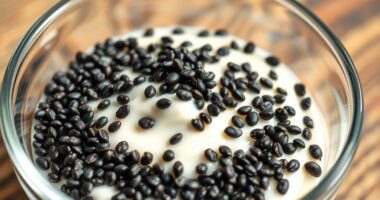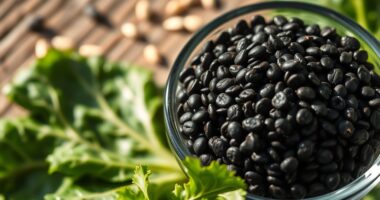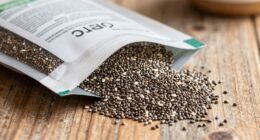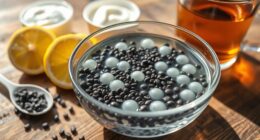
Chia seeds contain powerful phytochemicals like antioxidants, including chlorogenic acid, caffeic acid, and quercetin, which help protect your cells from damage caused by free radicals. They also provide omega-3 fatty acids, essential for reducing inflammation, supporting heart health, and boosting brain function. These compounds work together to enhance your immune system, slow aging, and promote overall well-being. To discover how these nutrients can benefit your health, keep exploring what makes chia seeds so special.
Key Takeaways
- Chia seeds contain antioxidants like chlorogenic acid, caffeic acid, and quercetin that combat oxidative stress and support immune health.
- Phytochemicals in chia help protect cells from free radical damage, reducing aging and chronic disease risks.
- They include omega-3 fatty acids (ALA), which reduce inflammation, support cardiovascular health, and improve brain function.
- Chia’s phytochemicals work synergistically to promote cellular health, enhance energy, and lower inflammation.
- Overall, these compounds contribute to holistic health benefits, including better cardiovascular, brain, and joint health.
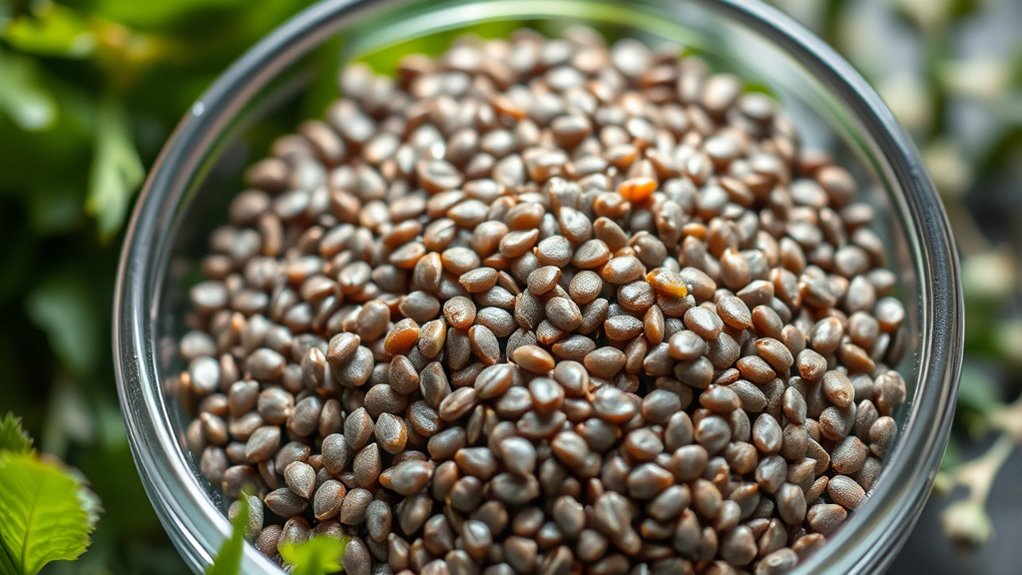
Chia seeds are packed with phytochemical compounds that offer numerous health benefits. Among these compounds, the antioxidants present in chia seeds play a essential role in protecting your cells from oxidative stress. These natural substances neutralize free radicals, which are unstable molecules that can damage your DNA, proteins, and cell membranes. By consuming chia seeds regularly, you help your body combat the effects of aging and reduce the risk of chronic diseases like heart disease and cancer. The antioxidants in chia seeds include chlorogenic acid, caffeic acid, and quercetin, all of which contribute to their anti-inflammatory and immune-boosting properties. These compounds work synergistically to support your overall health, especially when combined with a balanced diet and active lifestyle. Antioxidant properties of chia seeds also help in minimizing cellular damage caused by environmental pollutants and stress. In addition to antioxidants, chia seeds are renowned for their impressive omega 3 content. Omega 3 fatty acids are essential fats that your body can’t produce on its own, so you need to obtain them through your diet. Chia seeds are one of the richest plant-based sources of alpha-linolenic acid (ALA), a type of omega 3 fatty acid. Consuming chia seeds can help you improve your cardiovascular health, as omega 3s are known to reduce inflammation, lower triglyceride levels, and prevent the formation of blood clots. The omega 3 content in chia seeds also supports brain function, mood regulation, and joint health. Because they are easy to incorporate into your meals—sprinkled on yogurt, blended into smoothies, or added to baked goods—you can effortlessly boost your intake of these essential fats.
The combination of antioxidants and omega 3s in chia seeds makes them a powerful superfood. Their antioxidants help combat oxidative stress, which can lead to aging and disease, while their omega 3s promote heart, brain, and joint health. When you include chia seeds in your diet, you’re not just adding a nutritious ingredient; you’re investing in your long-term well-being. The phytochemical compounds in chia seeds work together to enhance your body’s defenses and support cellular health at a fundamental level. These benefits are especially significant if you’re looking to maintain energy levels, improve mental clarity, or reduce inflammation. With their rich phytochemical profile, chia seeds stand out as a simple yet effective addition to a health-conscious lifestyle.
Top picks for "phytochemical compound chia"
Open Amazon search results for this keyword.
As an affiliate, we earn on qualifying purchases.
Frequently Asked Questions
How Do Phytochemicals in Chia Seeds Compare to Those in Other Superfoods?
You’ll find that chia seeds offer impressive phytochemical diversity, comparable to other superfoods like berries and kale. While each superfood provides unique antioxidants and bioactive compounds, chia seeds stand out with their rich mix of polyphenols and omega-3 fatty acids. In a nutritional comparison, they complement other superfoods by supporting heart health, reducing inflammation, and boosting overall wellness, making them a versatile addition to your diet.
Can Phytochemicals in Chia Seeds Help Prevent Specific Diseases?
You might be surprised to learn that chia seeds’ phytochemicals can help prevent diseases. With their antioxidant properties, they combat oxidative stress linked to chronic conditions like heart disease and cancer. Their anti-inflammatory effects may reduce inflammation-related issues such as arthritis. Incorporating chia seeds into your diet could support your health by fighting disease-causing processes, making them a simple, natural way to boost your overall well-being.
Are There Any Side Effects From Consuming High Levels of Chia Seed Phytochemicals?
Consuming high levels of chia seed phytochemicals can pose potential toxicity and lead to nutrient imbalance. You might experience digestive issues, such as bloating or constipation, if you overload on chia seeds. Additionally, excessive intake could interfere with your body’s absorption of essential nutrients like calcium and magnesium. It’s best to consume chia seeds in moderation to enjoy their benefits without risking adverse side effects.
How Does Processing Affect the Phytochemical Content in Chia Seeds?
Processing can considerably impact the phytochemical content in chia seeds by reducing nutrient retention. When you grind, heat, or package chia seeds, some beneficial compounds may break down or leach out, decreasing their health benefits. To maximize phytochemical retention, opt for minimally processed seeds, like whole or soaked chia, and store them properly. This way, you guarantee you’re getting the most nutrients and antioxidants from your chia seeds.
Do Organic Chia Seeds Contain More Phytochemicals Than Non-Organic Ones?
Yes, organic chia seeds generally contain more phytochemicals than non-organic ones. While some might think pesticides or fertilizers reduce phytochemical levels, organic farming focuses on natural growth, often boosting phytochemical variation. Imagine harvesting seeds from plants that thrive without synthetic chemicals—you’ll likely get a richer profile of beneficial compounds. So, choosing organic can enhance the health benefits you get from chia seeds by maximizing their phytochemical content.
Conclusion
By incorporating chia seeds into your diet, you’re fundamentally adding tiny powerhouses of phytochemicals that boost your health. Think of these compounds as the seeds’ secret armor, protecting your body just like a shield guards a knight. For example, a study showed that regular chia seed consumption can improve heart health. So, next time you sprinkle them on your yogurt, remember you’re fueling your body with nature’s little warriors, ready to defend and strengthen you every day.