Eating chia before your workout helps provide sustained energy, hydration, and prevents blood sugar spikes, making it ideal for endurance and weight loss. Consuming it 30-60 minutes prior guarantees your body absorbs nutrients effectively during exercise. Post-workout chia enhances recovery, replenishes glycogen, and reduces inflammation, supporting your weight loss goals. To optimize results, timing matters—continue exploring how to make strategic choices that best fit your routine and fitness ambitions.
Key Takeaways
- Pre-workout chia provides sustained energy and hydration, supporting endurance and reducing hunger during exercise.
- Post-workout chia enhances nutrient absorption, aids muscle repair, and promotes satiety for effective weight management.
- Consuming chia 30-60 minutes before exercise optimizes energy release and hydration for better performance.
- Eating chia after workout leverages the recovery window for maximum nutrient uptake and inflammation reduction.
- The best timing depends on personal goals—pre for energy and endurance, post for recovery and satiety.
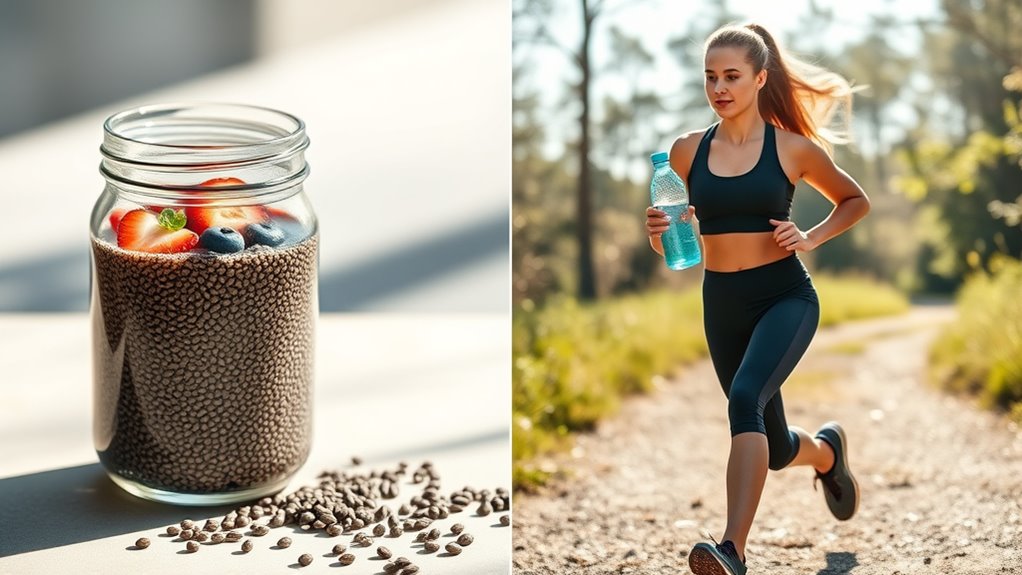
When it comes to optimizing your workout routine, timing your chia intake can make a noticeable difference. Chia seeds are packed with fiber, omega-3 fatty acids, and protein, making them a versatile addition to your diet. However, when you incorporate them into your pre- or post-workout meal can impact how well your body absorbs nutrients and how effectively you reach your weight loss goals. Meal timing plays a vital role in maximizing nutrient absorption, ensuring your body gets the fuel and recovery support it needs.
Eating chia before your workout can provide a steady release of energy, thanks to their high fiber and healthy fat content. When you consume chia seeds about 30 to 60 minutes before exercising, they absorb water and swell, creating a gel-like consistency. This can help keep you hydrated and sustain your energy levels during your workout. The slow digestion of chia’s nutrients means they won’t cause a spike in blood sugar, promoting more stable energy release and reducing hunger during your exercise session. Proper meal timing with chia before workouts allows your body to utilize the nutrients efficiently, supporting endurance and reducing fatigue.
Eating chia 30-60 minutes before exercise supports sustained energy and hydration during your workout.
On the other hand, having chia post-workout can be equally beneficial, especially for recovery and weight management. After exercise, your body is primed to absorb nutrients to repair muscles and replenish glycogen stores. Consuming chia seeds within 30 to 60 minutes after working out helps maximize nutrient absorption during this critical window. The fiber in chia can aid in digestion and promote feelings of fullness, which is helpful if you’re trying to lose weight. Plus, the omega-3 fatty acids may help reduce inflammation and soreness, speeding up recovery. Combining chia with a protein source in your post-workout meal enhances muscle repair and supports your overall fitness goals.
Ultimately, the best approach depends on your personal schedule and goals. If you’re looking for sustained energy during your workout, consuming chia beforehand makes sense. If recovery and satiety are your priorities, then having chia afterward is ideal. Both timings leverage the benefits of chia seeds, but understanding meal timing and how it influences nutrient absorption can help you tailor your intake for maximum results. Whether you choose to eat chia pre- or post-workout, consistency in your routine, along with balanced nutrition, will be key to achieving your weight loss and fitness goals.
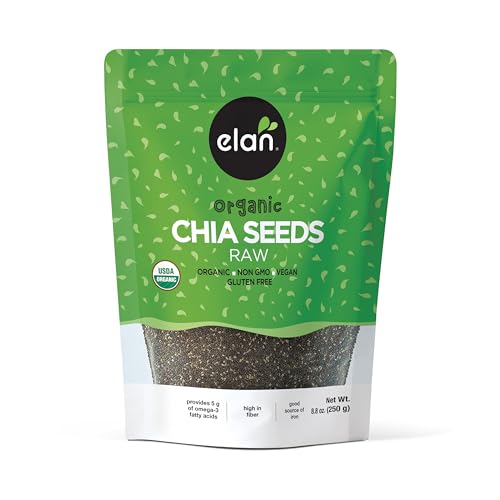
Elan Organic Chia Seeds, 8.8 oz, Natural Raw Black Chia Seeds, Plant-Based, Non-GMO, Vegan, Gluten-Free, Kosher, Gels Easily, Superfood
NUTRITIOUS SUPERFOOD: Elevate your healthy snacks with Elan Organic Chia Seeds. These small crunchy seeds gel easily, offering…
As an affiliate, we earn on qualifying purchases.
As an affiliate, we earn on qualifying purchases.
Frequently Asked Questions
Can Chia Seeds Improve Workout Recovery Times?
Chia seeds can definitely improve your workout recovery times. Their fiber benefits help replenish glycogen stores efficiently, while hydration effects keep you well-hydrated after exercising. The healthy fats and protein in chia seeds support muscle repair, reducing soreness. So, adding chia to your post-workout meal or snack can boost recovery, enhance energy levels, and promote better overall performance.
How Much Chia Should I Consume Pre- or Post-Workout?
You should aim for an ideal serving of chia, typically about 1 to 2 tablespoons (around 15-30 grams). This chia portioning provides fiber, healthy fats, and protein to fuel your workout or aid recovery. If you prefer pre-workout, consume it about 30 minutes before exercising. Post-workout, it helps replenish nutrients. Adjust the amount based on your dietary needs and activity level for best results.
Are There Any Side Effects of Eating Chia Around Workouts?
Thinking about chia around workouts? While chia’s fiber benefits can boost digestion and energy, watch for allergy concerns, especially if you’re sensitive to seeds. Eating chia may cause bloating or stomach discomfort if you consume large amounts too quickly. Always start small, stay hydrated, and consult a healthcare professional if you notice adverse reactions. Balance is key to enjoying chia’s benefits without side effects.
Does Timing Chia Intake Affect Long-Term Weight Loss?
You might wonder if when you eat chia influences your long-term weight loss. Meal timing can impact fat burning, but consistency matters more than exact timing. Incorporating chia into your diet regularly, whether pre- or post-workout, supports your goals by stabilizing blood sugar and boosting satiety. Focus on balanced meals and overall calorie intake, and chia can be a helpful addition for sustained fat burning over time.
Can Chia Replace Other Post-Workout Supplements?
You can use chia as a supplement alternative or meal replacement after your workout, but it shouldn’t fully replace other post-workout supplements. Chia provides fiber, omega-3s, and protein, supporting recovery. However, for ideal results, combine chia with specific supplements designed for muscle repair and replenishment. It’s a versatile addition, but relying solely on chia might limit your recovery and nutrient intake.
Elan Organic Chia Seeds, 8.8 oz, Natural Raw Black Chia Seeds, Plant-Based, Non-GMO, Vegan, Gluten-Free, Kosher, Gels Easily, Superfood
NUTRITIOUS SUPERFOOD: Elevate your healthy snacks with Elan Organic Chia Seeds. These small crunchy seeds gel easily, offering…
As an affiliate, we earn on qualifying purchases.
As an affiliate, we earn on qualifying purchases.
Conclusion
Choosing the right time to enjoy chia can gently guide you toward your goals without feeling overwhelmed. Whether you favor it before or after your workout, let it be a small, nourishing step that supports your journey. Trust your instincts and listen to your body’s quiet signals. With each mindful choice, you’re weaving a story of care and resilience—embrace the process, and let your efforts blossom into lasting well-being.

The Face Shop Chia Seed Advanced Hydro Cream | Concentrated Gel Type Hydrating Cream with Instant Cooling Effect | Formulated for Intense, Upgraded & Hydrating Care, 1.76 Fl Oz
Item Package Length: 6.6cm
As an affiliate, we earn on qualifying purchases.
As an affiliate, we earn on qualifying purchases.

Sanar Naturals Chia Seeds | High Fiber Supplement, GLP-1 Support, Plant-Based Protein with Omega-3 | Superfood for Smoothies Baking and Oatmeal | Vegan, Non-GMO, Raw Bulk, Gluten Free, 10 oz
SUPRPORTS HEALTHY DIET: Natural source of fiber and lignans to support digestive health and help promote your weight…
As an affiliate, we earn on qualifying purchases.
As an affiliate, we earn on qualifying purchases.