
You should avoid chia seeds during flare-ups of ulcerative colitis or Crohn’s disease because their high fiber content and ability to swell can irritate your inflamed intestines and worsen symptoms. When your condition is active, high-fiber foods like chia seeds can cause discomfort, cramping, or diarrhea. Once your symptoms stabilize, you might gradually reintroduce them carefully. Keep exploring for tips on managing your diet and reducing flare-up risks.
Key Takeaways
- Avoid chia seeds during active flare-ups of ulcerative colitis or Crohn’s disease to prevent irritation and discomfort.
- Refrain from consuming dry or unsoaked chia seeds, which can expand and worsen gastrointestinal symptoms.
- During inflammation, limit high-fiber foods like chia seeds to reduce bowel irritation and manage symptoms effectively.
- Consult healthcare providers before reintroducing chia seeds once symptoms stabilize to ensure safe inclusion.
- Use caution with chia seed intake if experiencing cramping, diarrhea, or other signs of active disease.
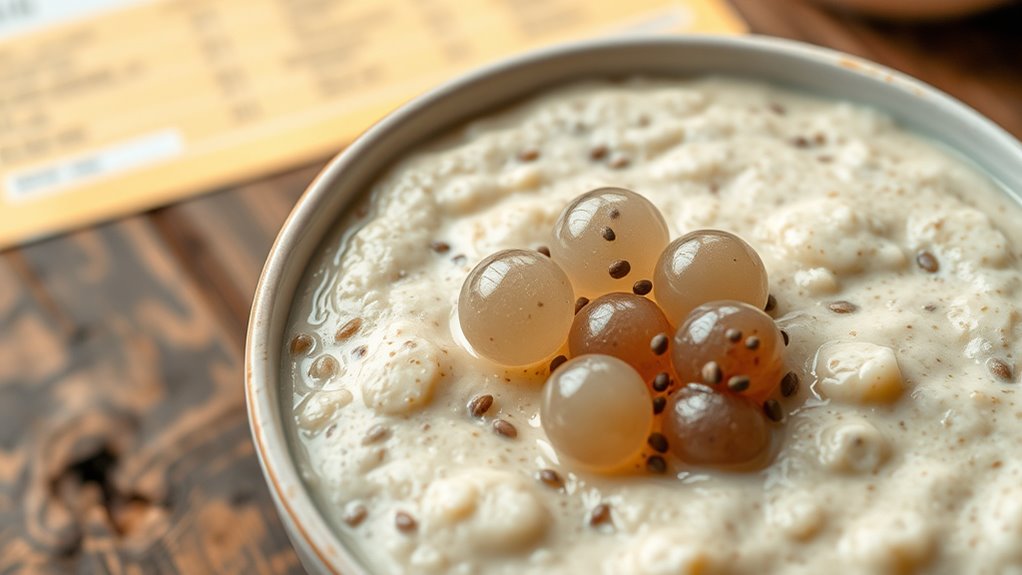
Chia seeds are often praised for their health benefits, but there are times when you should avoid them. If you have ulcerative colitis or Crohn’s disease, you need to be cautious about consuming chia seeds. These conditions are inflammatory bowel diseases that affect your gastrointestinal tract, and certain foods can worsen your symptoms. While chia seeds are rich in fiber, which generally promotes digestive health, they can also trigger gastrointestinal irritation during flare-ups or active inflammation.
Chia seeds can worsen symptoms during flare-ups of ulcerative colitis or Crohn’s disease.
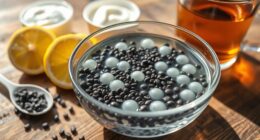
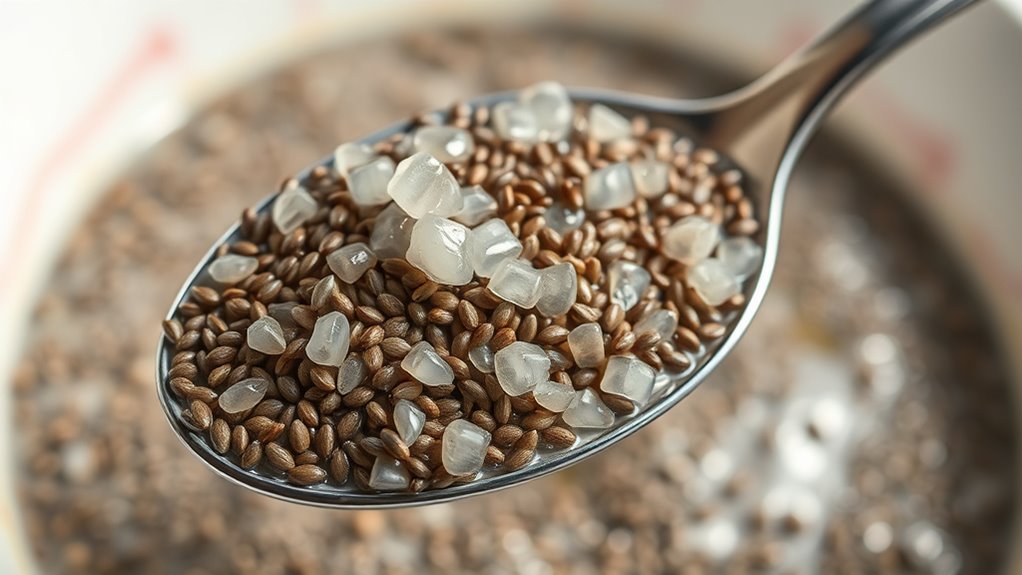
When your bowel is inflamed, adding high-fiber foods like chia seeds might seem beneficial, but it can backfire. The soluble and insoluble fibers in chia seeds help regulate bowel movements during remission, but during flare-ups, they can irritate your gastrointestinal lining. The gel-like substance that forms when chia seeds absorb water can be hard to digest if your intestines are inflamed, leading to discomfort, cramping, or diarrhea. If you’re experiencing symptoms of active ulcerative colitis or Crohn’s, it’s best to limit or avoid chia seeds until your condition stabilizes.
Additionally, chia seeds can cause gastrointestinal irritation if you consume them in large quantities or without proper hydration. Unsoaked chia seeds are particularly problematic because they can expand rapidly in your stomach, creating a bulky mass that may worsen symptoms like bloating or pain. If you have a sensitive digestive system or an active flare-up, this added bulk can overstretch or irritate your inflamed tissues, making symptoms worse. To minimize risk, avoid eating dry chia seeds or consuming them in large amounts during periods of gastrointestinal distress.
Another concern is that chia seeds, despite their health benefits, can interfere with medication absorption or exacerbate existing digestive issues if not introduced carefully. For individuals with ulcerative colitis or Crohn’s, it’s essential to listen to your body and consult your healthcare provider before adding chia seeds back into your diet. During active disease phases, sticking to low-fiber, easily digestible foods is usually recommended. Once your symptoms are under control, you might reintroduce chia seeds gradually, observing how your body responds.
Furthermore, understanding the fiber content of chia seeds can help you better manage their impact on your digestive health during flare-ups.

BetterBody Foods Organic Chia Seeds 2 lbs, 32 Oz, with Omega-3, Non-GMO, Gluten Free, Keto Diet Friendly, Vegan, Good Source of Fiber
NUTRIENT POWER: This omega powerhouse is full of other useful nutrients that will help men and women live…
As an affiliate, we earn on qualifying purchases.
As an affiliate, we earn on qualifying purchases.
Frequently Asked Questions
Can Chia Seeds Worsen Symptoms During Flare-Ups?
Yes, chia seeds can worsen your symptoms during flare-ups. Their high fiber content may cause digestive irritation, leading to bloating, cramping, or increased discomfort. When your digestive system is already sensitive, adding chia seeds could aggravate inflammation or trigger symptoms. It’s best to limit or avoid chia seeds during flare-ups until your condition stabilizes, and always listen to your body’s reactions.
Are There Specific Chia Seed Preparations to Avoid?
You should avoid chia seed preparations with a gritty seed texture or if you haven’t soaked them properly. Unsoaked or improperly soaked chia seeds can be hard to digest and may irritate your gut during flare-ups. Always soak your seeds until they form a gel-like consistency before eating. This helps reduce irritation and makes them easier to digest, minimizing the risk of worsening symptoms with certain preparations.
How Much Chia Seed Is Safe for IBD Patients?
You should start with small amounts of chia seeds, around one to two teaspoons daily, to gauge your body’s response. Because of their high fiber content and digestibility, too much can cause bloating or discomfort, especially if your IBD symptoms flare. Listen carefully to your body, and consult your healthcare provider for personalized guidance. Remember, moderation helps prevent potential irritation and promotes better digestion.
Do Chia Seeds Interact With IBD Medications?
Chia seeds can interact with your IBD medications by potentially affecting medication absorption and causing nutrient interference. The high fiber content may slow down or hinder how your body absorbs certain drugs, reducing their effectiveness. To avoid issues, it’s best to consume chia seeds separately from your medications and consult your healthcare provider before adding them to your diet, especially during flare-ups or if you’re on specific treatments.
Are There Alternative Seeds Suitable for Ulcerative Colitis?
Did you know that about 15% of people with ulcerative colitis seek alternative seeds? If chia seeds aren’t suitable, consider flaxseeds or hemp seeds—they offer a softer texture and are easier to digest. These alternative options provide healthy omega-3s and fiber without irritating your gut. Always start with small amounts to see how your body reacts, and consult your healthcare provider for personalized advice.
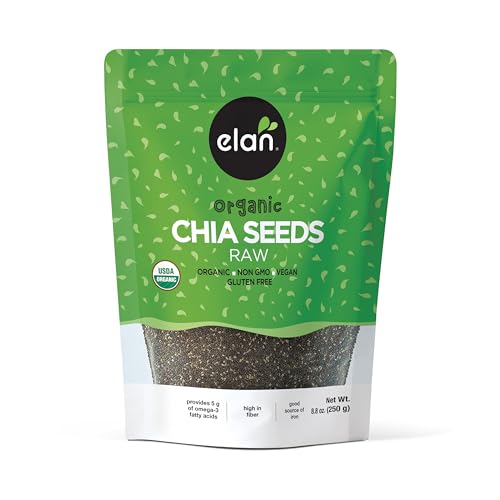
Elan Organic Chia Seeds, 8.8 oz, Natural Raw Black Chia Seeds, Plant-Based, Non-GMO, Vegan, Gluten-Free, Kosher, Gels Easily, Superfood
NUTRITIOUS SUPERFOOD: Elevate your healthy snacks with Elan Organic Chia Seeds. These small crunchy seeds gel easily, offering…
As an affiliate, we earn on qualifying purchases.
As an affiliate, we earn on qualifying purchases.
Conclusion
If you have ulcerative colitis or Crohn’s disease, think of chia seeds like a double-edged sword—they can nourish or harm. When your gut’s already fragile, adding these seeds might be like poking a bear—triggering flare-ups. Listen to your body’s whispers; sometimes, it’s wiser to let chia seeds rest. Protect your gut’s delicate garden, and remember, sometimes less truly is more in the dance of healing.

Better Place Supplements Chia Seed Oil, 500mg – 60 Capsules | Non-GMO Formula with Omega 3,6,&9 (1)
Omega 3, 6 & 9: This supplement is packed with omega fatty acids, which are long known for…
As an affiliate, we earn on qualifying purchases.
As an affiliate, we earn on qualifying purchases.
BetterBody Foods Organic Chia Seeds 2 lbs, 32 Oz, with Omega-3, Non-GMO, Gluten Free, Keto Diet Friendly, Vegan, Good Source of Fiber
NUTRIENT POWER: This omega powerhouse is full of other useful nutrients that will help men and women live…
As an affiliate, we earn on qualifying purchases.
As an affiliate, we earn on qualifying purchases.