In traditional Mexican and Central American medicine, chia has been valued for centuries for its healing and nutritional benefits. Locals soak chia seeds in water to create soothing drinks, use gel-like forms to treat sore throats and stomach issues, and incorporate them into herbal remedies for energy, digestion, and blood sugar regulation. These natural practices highlight chia’s cultural importance as a versatile medicine. If you explore further, you’ll discover even more about its healing potential.
Key Takeaways
- Chia has been used for centuries in Mexican and Central American traditional medicine for its healing and nutritional properties.
- It is soaked in water to create a gel used to soothe sore throats, aid digestion, and promote hydration.
- Chia seeds are incorporated into herbal remedies targeting fatigue, inflammation, and digestive issues.
- Its natural properties support blood sugar regulation, heart health, and overall holistic wellness.
- Chia’s role as a natural, accessible medicine reflects its cultural significance in traditional healing practices.
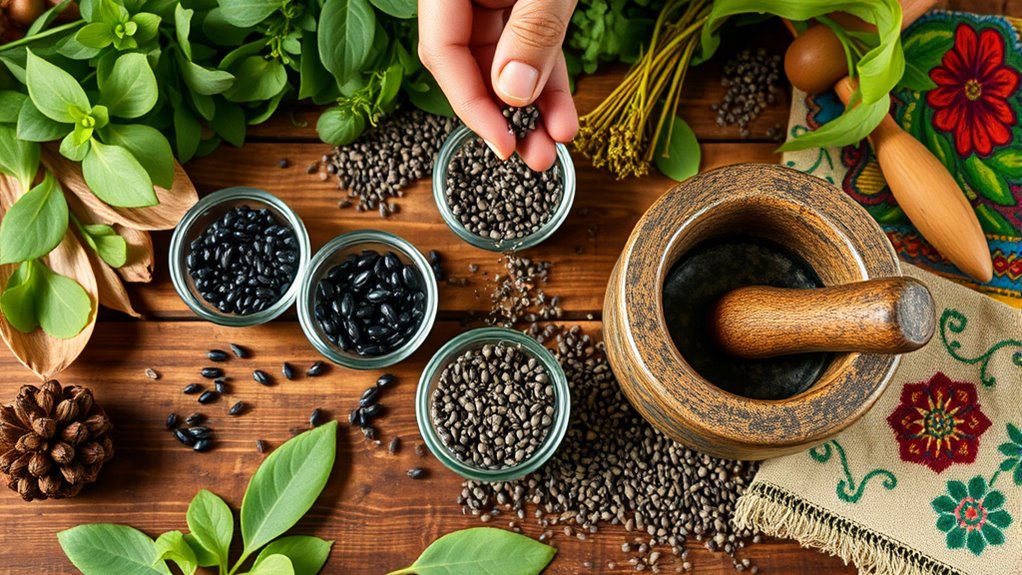
Chia has long played an essential role in traditional Mexican and Central American medicine, where it’s valued for its healing properties and nutritional benefits. This tiny seed is more than just a dietary supplement; it’s a powerful superfood with a rich history of use in herbal remedies. Locals have relied on chia to treat a variety of ailments, recognizing its ability to support overall health naturally. Its high concentration of omega-3 fatty acids, fiber, antioxidants, and essential minerals makes it a versatile ingredient in many traditional practices. When you incorporate chia into your routine, you’re tapping into a natural way to boost your wellness with a superfood that’s been cherished for generations.
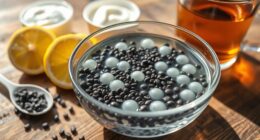
In traditional medicine, chia’s superfood benefits are often harnessed through simple herbal remedies. For example, locals have used chia seeds soaked in water to create a nutritious drink believed to improve digestion, increase energy, and promote hydration. The gel-like consistency that forms when chia absorbs liquid is thought to soothe sore throats and stomach issues. Because of its ability to retain moisture and deliver nutrients efficiently, it’s often added to herbal infusions, teas, and poultices to enhance their healing effects. These remedies rely on chia’s natural properties, which can help regulate blood sugar levels and support heart health—benefits that modern science increasingly confirms. Additionally, its integration into data-driven marketing strategies can optimize how traditional remedies are promoted and preserved in modern contexts.
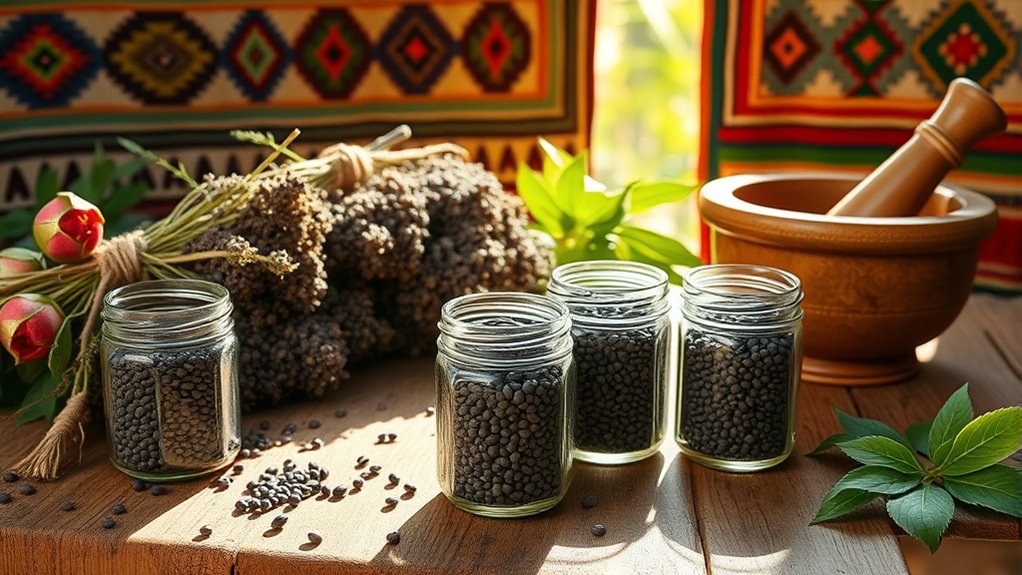
You can also find chia seeds incorporated into traditional recipes for medicinal tonics. These often combine the seeds with herbs like mint, lemongrass, or chamomile to create remedies that address fatigue, inflammation, or digestive problems. When you prepare these herbal remedies, you’re not just consuming a superfood—you’re participating in a centuries-old tradition of natural healing. The seeds’ ability to stabilize blood sugar and improve satiety makes them a staple ingredient in these herbal concoctions, especially when addressing chronic conditions or boosting daily vitality.
Chia’s role in herbal remedies underscores its significance as a natural, accessible medicine rooted in cultural practices. Its superfood benefits extend beyond nutrition, offering a way to support your health holistically. Whether used as a thickening agent, a hydrating drink, or an ingredient in herbal infusions, chia provides a gentle yet effective means of healing that has stood the test of time. By understanding and respecting these traditional applications, you can incorporate chia into your wellness routine, benefiting from its natural medicinal properties while honoring a cultural legacy of natural healing.
Frequently Asked Questions
How Has Chia Cultivation Evolved in Central America Historically?
You see, historical cultivation of chia in Central America has evolved from traditional practices passed down through generations. Originally, indigenous communities grew chia mainly for food and medicinal purposes, using simple methods. Over time, modern agriculture has introduced new techniques, increasing yield and quality. Despite these changes, many still honor traditional practices, blending old and new methods to sustain chia’s cultural significance and guarantee its continued role in regional diets and medicine.
Are There Any Modern Medical Studies Supporting Traditional Chia Uses?
Scientific research currently supports some modern applications of chia, such as its high omega-3 and fiber content, which can promote heart health and digestion. While traditional uses focused on energy and healing, studies are exploring chia’s antioxidant properties and potential benefits for blood sugar regulation. You can now find chia in various health products, backed by scientific studies, making it a valuable addition to a balanced diet.
What Are the Cultural Beliefs Associated With Chia’s Healing Properties?
You believe that chia holds spiritual healing power and carries ritual significance, symbolizing health and vitality. In cultural practices, it’s often used in ceremonies to promote well-being and connect with spiritual forces. People see chia as a sacred gift that can enhance balance and harmony within the body and spirit. These beliefs foster respect for chia’s role beyond nutrition, emphasizing its importance in spiritual and cultural traditions.
How Do Traditional Uses of Chia Differ Between Mexico and Central America?
You’ll find that traditional uses of chia differ between Mexico and Central America, reflecting their unique cultural significance. In Mexico, chia is valued for its nutritional benefits, like boosting energy and digestion, often incorporated into daily diets. In Central America, it holds a more spiritual or medicinal role, used in rituals or remedies to promote health and balance. These distinctions highlight how cultural beliefs shape chia’s diverse traditional applications.
Are There Specific Rituals Linked to Chia Consumption in Indigenous Practices?
You might find that ritualistic ceremonies often incorporate chia as a symbol of vitality and connection. In these sacred offerings, chia seeds are sometimes used to honor deities or ancestors, reflecting their spiritual significance. Such practices evoke reverence and respect, emphasizing the seeds’ role in fostering community bonds and spiritual well-being. These rituals highlight chia’s deep-rooted cultural importance, transcending mere nourishment to become a meaningful part of indigenous spiritual life.
Conclusion
You can see how chia seeds hold a special place in Mexican and Central American healing traditions, like a treasured secret passed down through generations. Their healing properties are as comforting as a warm embrace, offering natural support for your health. Embracing these ancient practices connects you to a rich cultural heritage, reminding you that sometimes, the simplest remedies are the most powerful—like a gentle whisper from the past guiding your well-being today.