When comparing chia seeds and quinoa, both are nutrient-packed, gluten-free options offering complete plant-based protein, fiber, and essential minerals. Chia seeds excel in omega-3s and help you feel full longer, perfect for boosting protein and supporting digestion. Quinoa provides a versatile grain with a chewy texture, Great for sustained energy and muscle health. If you want to uncover more about their unique benefits and uses, stay tuned for detailed insights.
Key Takeaways
- Chia seeds are higher in omega-3s and fiber, supporting heart health and digestion, while quinoa excels in providing complete protein and essential minerals.
- Both are gluten-free; chia seeds are small and nutrient-dense, ideal for boosting protein and fiber, whereas quinoa offers versatile grain-like use with a nutty flavor.
- Chia seeds absorb liquids and create gels, aiding in weight management, whereas quinoa’s chewy texture makes it suitable for salads and bowls.
- Quinoa contains more minerals like magnesium, iron, and zinc, supporting overall nutrition, while chia seeds are rich in antioxidants.
- Choice depends on dietary goals: chia for concentrated protein and fiber, quinoa for meal versatility and mineral support.

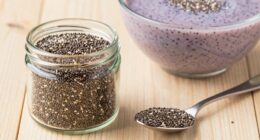
When choosing between chia seeds and quinoa, understanding their unique nutritional profiles can help you make an informed decision. Both are celebrated for their health benefits, but they serve different roles depending on your dietary needs. Chia seeds are tiny, dark, and packed with nutrients, especially known for their high protein content relative to their size. They provide a plant-based source of complete protein, meaning they contain all nine essential amino acids. If you’re looking to boost your protein intake without consuming animal products, chia seeds are a great choice. Plus, they’re naturally gluten free options, making them suitable for those with gluten sensitivities or celiac disease. Their versatility allows you to sprinkle them onto yogurt, blend into smoothies, or use as an egg substitute in baking.
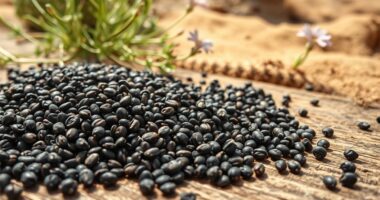
Chia seeds are tiny, nutrient-dense, and provide complete plant-based protein suitable for gluten-free diets.
Quinoa, on the other hand, is a complete protein grain that also offers a respectable amount of protein per serving. It’s unique among plant foods because it contains all nine essential amino acids, making it an excellent gluten free option for people seeking grain-like foods that support a balanced diet. Quinoa’s protein content isn’t as concentrated as chia seeds, but it’s still substantial enough to be a significant part of your meals. It’s often used as a base for salads, side dishes, or even breakfast bowls. Beyond protein, quinoa provides essential minerals like magnesium, iron, and zinc, which support overall health.
While chia seeds are tiny, they pack a punch with omega-3 fatty acids, fiber, and antioxidants, making them particularly good for heart health and digestion. They absorb liquid and form a gel-like consistency, which can help you feel full longer and aid in weight management. Quinoa offers a more substantial, nutty flavor and a chewy texture that works well in a variety of dishes, providing sustained energy and supporting muscle function thanks to its mineral content.
Choosing between the two ultimately depends on your nutritional goals and culinary preferences. If you want a concentrated source of protein and fiber that can easily be added to drinks or baked goods, chia seeds are ideal. If you prefer a versatile grain-like food that’s rich in complete protein and minerals to serve as a main or side dish, quinoa is the way to go. Both are naturally gluten free options, so incorporating either into your diet can help you enjoy a diverse, nutrient-dense lifestyle.
Top picks for "chia seed quinoa"
Open Amazon search results for this keyword.
As an affiliate, we earn on qualifying purchases.
Frequently Asked Questions
Which Seed Is Better for Weight Loss?
You’ll find chia seeds better for weight loss because they have fewer calories per serving and higher fiber levels. The fiber helps you feel full longer, reducing overall calorie intake. Chia seeds also absorb liquid, creating a gel that curbs hunger. Quinoa, while nutritious, has slightly more calories and less fiber, making it less effective for weight management. Focus on chia seeds to support your weight loss goals.
Are Chia Seeds or Quinoa More Suitable for Diabetics?
You’ll find chia seeds more suitable for diabetics because they have a lower glycemic index of about 1, making blood sugar spikes unlikely. With only 0.5 grams of sugar per serving, they help manage sugar content better than quinoa, which has a higher glycemic index of around 53 and more carbs. Incorporating chia seeds can support blood sugar control, making them a smarter choice for diabetes management.
Can Chia Seeds Replace Eggs in Baking?
Yes, you can use chia seeds as an egg substitute in baking. To do this, mix one tablespoon of chia seeds with three tablespoons of water and let it sit until it forms a gel. This makes a great baking alternative, especially in recipes like muffins or pancakes. Chia seeds provide moisture and binding, making them an excellent natural egg replacement in many baked goods.
Do Chia Seeds or Quinoa Contain More Antioxidants?
Imagine a battle of nutrient density—who wins in antioxidant levels? Chia seeds take the lead, packed with more antioxidants that help fight free radicals. Quinoa offers impressive nutrition, but its antioxidant content is slightly lower. If you’re aiming for higher antioxidant levels, chia seeds are your best choice. They boost your health by providing more of those protective compounds, making your diet richer and more vibrant.
Which Is Easier to Include in a Daily Diet?
You’ll find chia seeds easier to include in your daily diet because they’re simple to add to your meal prep. With their mild flavor and versatile texture, you can sprinkle them on yogurt, blend into smoothies, or mix into oatmeal without altering taste much. Quinoa, while nutritious, requires cooking and has a stronger flavor, making chia seeds a more convenient choice for quick, everyday incorporation into your meals.
Conclusion
While both chia seeds and quinoa offer impressive health benefits, choosing between them truly depends on your personal taste and nutritional goals. Think of it as discovering your perfect partner in wellness—each has its unique charm. Incorporate both into your diet to enjoy their subtle, yet powerful, contributions. Remember, sometimes the best choice is simply exploring what feels right for you, gently guiding your journey toward a healthier, more vibrant life.