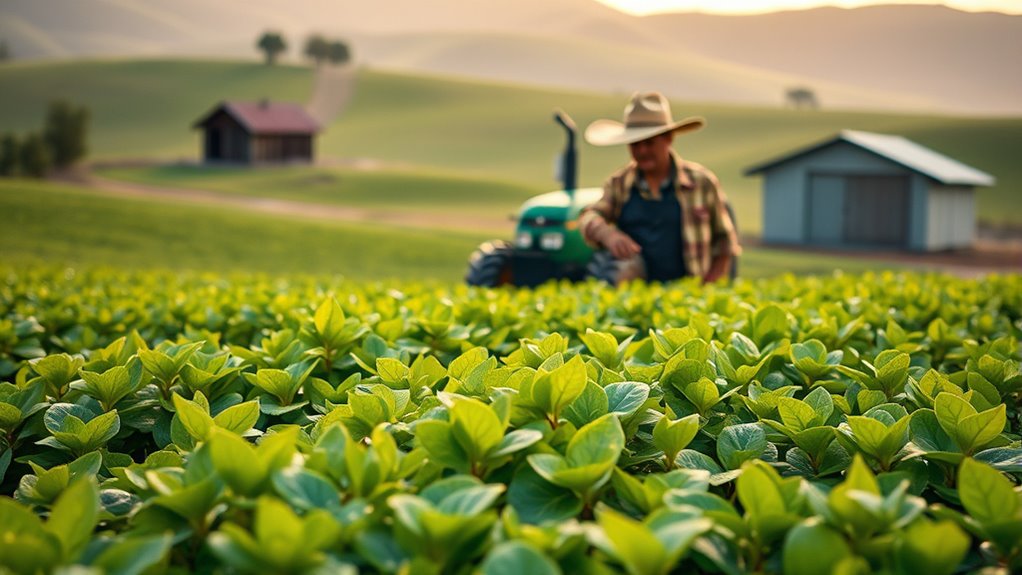
If you consider chia seed farming, you’ll find that initial costs include quality seeds, land prep, and equipment, while ongoing expenses cover labor and pest management. With growing demand for nutrious superfoods, you can aim for premium prices and larger-scale operations to boost profitability. By choosing the right location and applying good farming techniques, your revenue potential increases. Keep exploring these factors, and you’ll discover how to optimize costs and maximize your returns.
Key Takeaways
- High market demand and premium pricing for quality chia seeds enhance profitability potential.
- Initial costs include land preparation, high-quality seeds, and equipment, varying with farm size.
- Operational expenses such as labor, pest management, and irrigation impact overall costs.
- Implementing efficient farming techniques like precision planting can boost yields and reduce waste.
- Organic certification and consistent quality control can command higher market prices and improve profits.
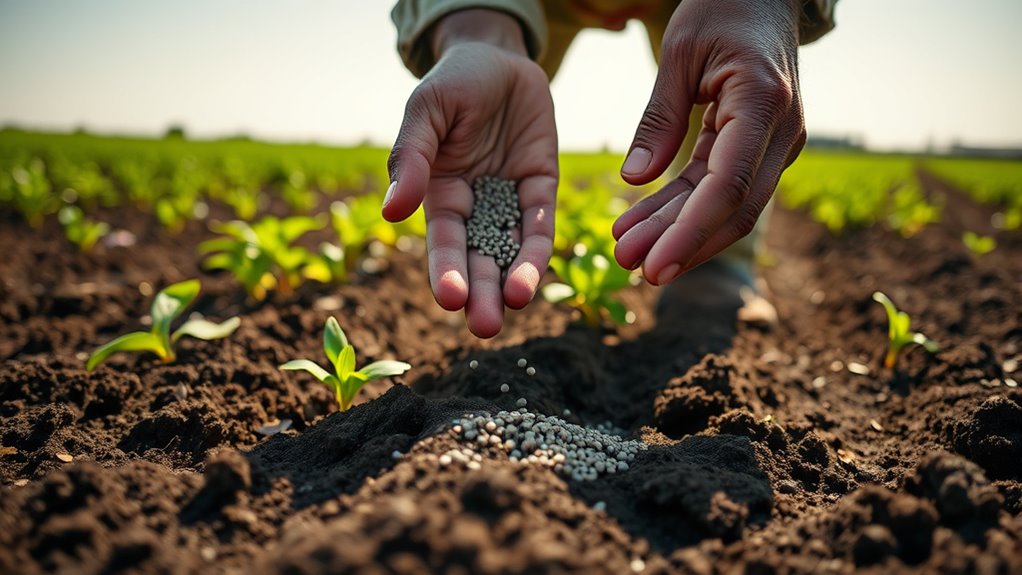
Chia seed farming has become an increasingly attractive venture for farmers looking to capitalize on the growing demand for superfoods. The market demand for chia seeds has surged in recent years, driven by health-conscious consumers seeking nutrient-dense products. As a farmer, understanding this demand helps you gauge potential profitability and plan your cultivation accordingly. To meet this rising interest, you need to adopt effective farming techniques that optimize yield and quality. Chia plants thrive in well-drained soils with plenty of sunlight, and selecting the right location is essential. You should focus on soil preparation—improving fertility through organic matter and ensuring proper drainage—to promote healthy growth. Efficient planting schedules also matter; planting at the right time, usually in spring or early summer, can markedly influence your harvest.
Chia farming thrives with well-drained soil, ample sunlight, and proper planting schedules for optimal yield and quality.
In terms of costs, initial investments include purchasing high-quality seeds, preparing the land, and acquiring necessary equipment for planting and harvesting. These costs can vary depending on the scale of your operation, but generally, seed costs are moderate, and soil preparation requires effort and some expense. As you progress, labor becomes a substantial ongoing cost, especially during planting, weed control, and harvesting. Chia plants are relatively low-maintenance but do require consistent management to prevent pests and diseases, which can add to operational expenses. Additionally, participating in Remote Hackathons can offer innovative ideas and tools to improve your farming techniques and streamline operations.
Profits hinge on your ability to produce high-quality seeds that meet market standards. The price you can command depends on factors such as seed purity, size, and organic certification, if applicable. Given the high market demand, farmers who cultivate premium-grade chia seeds can command better prices. Additionally, scale plays a role; larger operations often benefit from economies of scale, reducing per-unit costs and increasing margins. Efficient farming techniques, such as precision planting and integrated pest management, can improve yields and reduce waste, further boosting profitability.
When calculating your potential profits, consider both the costs involved and the market prices for chia seeds. The profitability of chia seed farming can be quite favorable if you manage expenses well and tap into the high demand for superfoods. It’s also wise to stay informed about market trends and consumer preferences, as these can influence pricing and demand. Overall, with proper planning, investment in quality farming techniques, and a keen eye on market demand, chia seed farming can become a lucrative venture.
Frequently Asked Questions
What Are the Initial Startup Costs for Chia Seed Farming?
The initial startup costs for chia seed farming typically range from $2,000 to $5,000, depending on your scale. You’ll need a thorough cost analysis to determine expenses like equipment investment, including quality seeds, irrigation systems, and farming tools. Expect to spend on soil preparation, fertilizers, and seeds, with additional costs for labor and land if needed. Planning carefully helps maximize your investment and sets a solid foundation for success.
How Long Does It Take for Chia Plants to Mature?
Think of chia plant growth like a slow-burning candle, gradually revealing its glow. It typically takes about 9 to 15 weeks for chia plants to mature, depending on your climate and growing conditions. You’ll want to monitor the plants closely, as harvest timing is vital for the best seed quality. Patience pays off, as well-timed harvesting ensures you get the most out of your crop’s full potential.
Are There Specific Climate Conditions Optimal for Chia Cultivation?
You need to provide chia plants with warm temperatures between 65-85°F and full sun exposure for ideal growing conditions. Climate requirements include well-drained soil with moderate moisture and protection from frost, which can harm the plants. Chia thrives in regions with dry, semi-arid conditions, but you can also cultivate it successfully in areas with consistent warmth and good drainage, ensuring the best yields and healthy growth.
What Are the Common Pests and Diseases Affecting Chia Crops?
Like fighting off a pirate attack in the age of sail, pest management and disease prevention are essential in chia farming. Common pests include aphids, spider mites, and cutworms, which can damage plants. Diseases like mold and root rot also threaten your crop. You should regularly inspect your plants, use natural predators or organic pesticides, and maintain good soil health to keep pests and diseases at bay, ensuring a healthy harvest.
How Do Market Prices Fluctuate for Chia Seeds Throughout the Year?
You’ll notice market prices for chia seeds fluctuate throughout the year due to market demand fluctuations and export price trends. During harvest season, prices may dip because of increased supply, but they tend to rise when demand grows or export markets tighten. Staying informed about global trends and seasonal demand helps you plan your sales better, maximizing profits despite these price swings.
Conclusion
As you plant your chia seeds and nurture your farm, remember that every dollar invested is a seed of potential waiting to sprout. With careful planning and dedication, your profits can grow like a thriving garden, bursting with vibrant returns. The journey might have its weeds, but your perseverance will turn your fields into a flourishing oasis of opportunity. Keep your vision clear, and watch your chia venture blossom into a bountiful harvest of success.