TL;DR

Get garden gear delivered free with Prime
- Fast, free delivery on millions of items
- Prime Video, Amazon Music and more included
- Member-only deals all year
A Laidback Gardener report published Oct. 11 says gardeners do not need to treat fall cleanup as a full garden reset. It advises leaving many perennials, seed heads, leaves and roots in place, while reserving pruning and winter protection for specific needs. The guidance is general: local climate, plant health and pest or disease problems can change what should be removed.
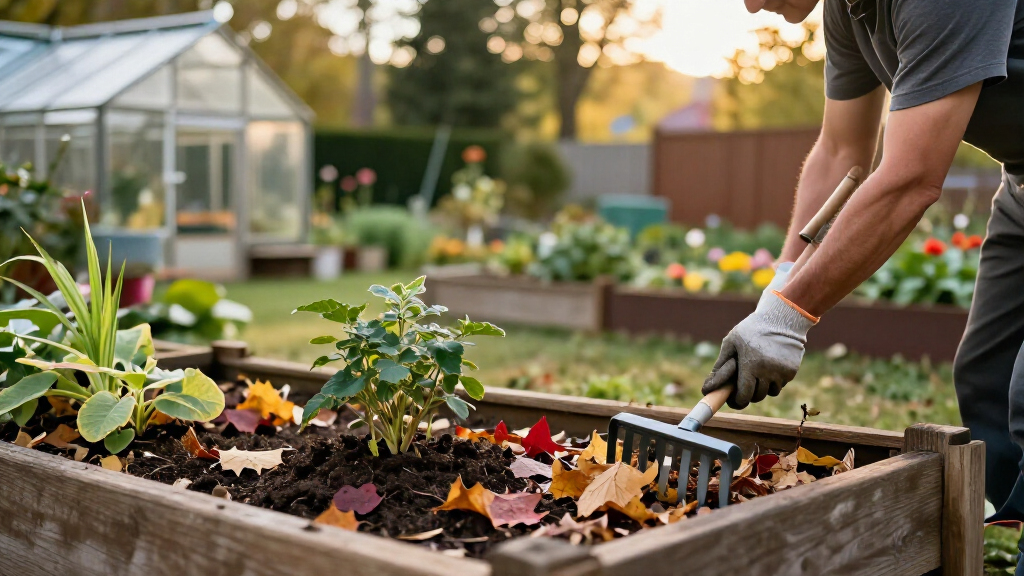
A Laidback Gardener report published Oct. 11 advises against treating fall as a season for a complete garden cleanup, saying gardeners can often leave perennials, seed heads, leaves and roots in place. The advice matters because those materials can provide winter shelter and food for wildlife, and their decomposition can return organic matter to soil, much like free materials from fall yard cleanup; the report also notes that specific plant, climate and disease conditions may call for cleanup.
The report’s first recommendation is not to cut back every plant that has turned brown, a point explored in this guide to perennials to cut back in fall. It says standing perennial stems can catch snow that insulates soil and roots, while hollow stems may provide overwintering or nesting sites for insects. Seed heads can feed birds, and some plants may self-sow. Ornamental grasses, the report says, can remain decorative and hold snow through winter. Gardeners who leave stems standing can cut them back in spring if needed.
It also cautions against routine pruning of trees and shrubs simply because winter is approaching. Pruning timing depends on the plant and the purpose, and cutting spring-flowering shrubs in fall can remove buds for the following season. The report says hardy plants in suitable locations generally do not need routine wrapping. It identifies a possible exception: newly planted conifers and other evergreens may need temporary protection while their roots establish and they remain vulnerable to winter drying.
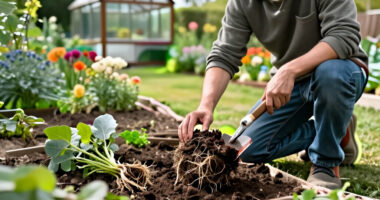
The remaining recommendations are to avoid pulling out plants solely because their growing season has ended, removing every fallen leaf, turning soil without a reason, or doing other automatic cleanup that disturbs the garden. The report says gardeners can cut an annual’s top growth rather than uproot it, leaving roots in the ground, while fall is also a good time to test garden soil. It also suggests leaving some leaves and plant material in place, while treating cleanup as a response to an actual problem rather than a seasonal obligation.
Why Leaving Garden Material Matters
The report’s practical point is that autumn tidiness can carry ecological and soil costs. Stems and seed heads may provide food or shelter, while roots and leaves add organic material as they break down. Leaving appropriate material can also reduce the amount of work a gardener does before winter.
That does not mean every garden should be left untouched. The advice is about avoiding chores performed by habit, not ignoring diseased plants, invasive growth, or other specific concerns. A gardener’s location, the species in the bed and local conditions affect whether a particular plant should stay or be removed. The report does not provide a universal schedule or a plant-by-plant assessment.
As an affiliate, we earn on qualifying purchases.
The Case Against a Full Fall Reset
The report frames fall as a period when many gardeners feel pressure to make beds look tidy before winter. It argues that senescing foliage is a normal stage in a plant’s life cycle, not automatically a problem to correct. Some material collapses and decomposes before or during spring, while upright grasses and stems can remain part of the winter garden.
Its recommendations also distinguish routine protection from targeted care. A plant suited to its climate and site may get through winter without wrapping, while a newly planted evergreen could need temporary help as its root system develops. Similarly, pruning is presented as a decision based on plant type and purpose, rather than a task triggered by the calendar. The source is a gardening report, not a local government or university extension advisory for every region.
“Fall is the ultimate season for being lazy in the garden.”
— Laidback Gardener report
As an affiliate, we earn on qualifying purchases.
When Cleanup Still Makes Sense
The report does not specify which local climates or plant varieties its advice covers, and it does not give a complete list of circumstances in which leaves or stems should be removed. Its recommendations therefore should not be read as a rule to leave every plant in place. Plant disease, pest concerns and local guidance may affect cleanup decisions, but the supplied report does not detail those exceptions. It also does not quantify effects on wildlife, soil or garden labor.
As an affiliate, we earn on qualifying purchases.
Decisions for the Coming Spring
For gardeners applying the report’s advice, the next step is to decide which material can remain through winter and which plants have a specific reason for removal or protection. Stems and grasses left standing can be reviewed in spring, when collapsed growth may already be easier to manage. Pruning can be timed to the plant and intended result rather than done automatically in fall. Local extension services or plant-specific guidance can help resolve questions about regional conditions and disease management.
wildlife-friendly garden decorations
As an affiliate, we earn on qualifying purchases.
As an affiliate, we earn on qualifying purchases.
Key Questions
Should all perennials be cut back before winter?
No. The Laidback Gardener report says many perennial stems can remain through winter, where they may catch snow or provide insect habitat. Check for specific plant or disease concerns before deciding what to remove.
Can I leave ornamental grasses standing?
The report recommends leaving them until spring because their foliage and flower heads can remain decorative and catch snow. Cut them back later if needed.
Should shrubs be pruned in fall?
Not just because the season is ending. Pruning timing depends on the plant and purpose; fall pruning of some spring-flowering shrubs can remove buds for next year’s flowers.
Do trees and shrubs need winter wrapping?
The report says hardy plants growing in suitable locations generally do not need routine protection. It notes that newly planted evergreens may be more vulnerable while their roots establish, so any protection should address a specific need.
Is it always best to leave fallen leaves and dead plants?
No universal rule is given. The report supports leaving appropriate material to decompose, but says its recommendations are general and do not address every local condition or plant problem. Seek region-specific advice where disease or other concerns may be involved.
Source: rss
Halloween Picks
halloween
As an affiliate, we earn on qualifying purchases.