
TL;DR
A Rural Sprout gardening article makes the case for growing edible amaranth, citing its ornamental appearance, self-seeding habit, and edible sprouts, leaves and seeds. These are the article’s reasons for recommending the plant, not a new research finding; growing conditions and practical yields will vary.
Rural Sprout’s amaranth guide presents the plant as an edible ornamental for home gardens, highlighting that people can harvest its sprouts, leaves and seeds at different growth stages. The article also points to its tendency to self-seed, while noting that amaranth belongs to the genus Amaranthus and is not the similarly named globe amaranth, Gomphrena globosa.

Get garden gear delivered free with Prime
- Fast, free delivery on millions of items
- Prime Video, Amazon Music and more included
- Member-only deals all year
The article’s first practical argument is that amaranth is a tender annual that can self-seed. Its author says the plant can return in the same area after being planted, reducing the need to sow it again. Self-seeding can also mean plants appear beyond the original planting spot; how readily that happens will depend on the garden and local growing conditions.
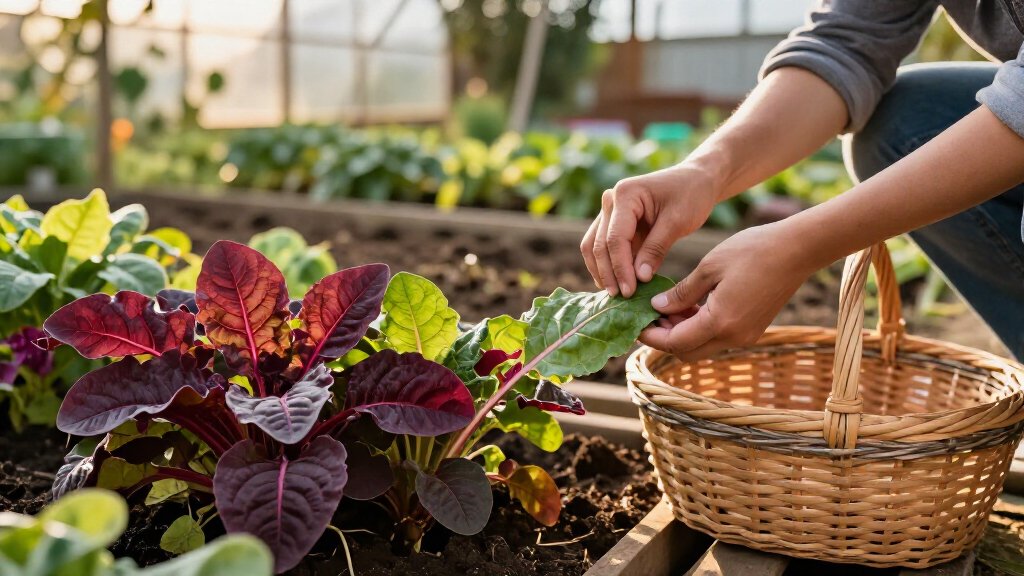
Rural Sprout describes several harvest possibilities through the plant’s growth cycle: sprouts, young leaves and seeds. The source says tender leaves can be used raw in salads or sandwiches, or made into pesto, while larger leaves can be cooked in soups, stir-fries and curries. It cautions that older leaves become tougher, and suggests that green- and red-leaf varieties are both edible.
The article also emphasizes amaranth’s ornamental value, describing it as a colorful planting for summer beds as well as a food crop. Its discussion of seeds calls them a superfood, but that is the source’s characterization; the supplied material does not give nutritional measurements or compare amaranth with other foods. It also says each plant can produce 100,000 to 200,000 seeds, a figure presented in the article rather than independently verified here.
Edible Harvests From One Garden Plant
Amaranth’s appeal in the article is its multiple uses in a single planting: gardeners can value its appearance and potentially harvest different parts as it grows. That combination may interest people seeking edible plants that also contribute color to a garden, or growers looking to try leafy greens beyond familiar crops.
The self-seeding trait could reduce repeat sowing, but it also means gardeners should be prepared for seedlings to return. The source does not provide guidance on managing volunteer plants, yields under particular conditions, or how much food a household should expect. Its recommendation is best read as a gardening perspective, not a guarantee of results.
Products Worth Considering

Le Creuset Signature 6.5-Quart Deep Round Dutch Oven with Light Gold Knob, Bleu Riviera

Cuisinart Core Custom 10-Cup Food Processor, Anchor Gray

Cuisinart Double Flip Belgian Waffle Maker, 2 Waffles, WAF-F40NAS
As an affiliate, we earn on qualifying purchases.
Amaranthus Is Not Globe Amaranth
The Rural Sprout piece draws a distinction between Amaranthus, the genus it discusses, and globe amaranth, which belongs to Gomphrena. The names are similar, but the article says the plants look different. The distinction matters because the guide’s food-use claims refer to its selected Amaranthus plants, not to every plant with “amaranth” in its common name.
The source also describes amaranth as having a long history as a food and cultural plant in Central and South America, including among the Incas, Maya and Aztecs. It says colonial authorities suppressed its cultivation and seed saving, followed by centuries in which other crops became more prominent. The article presents this as historical context and points readers to the Berkeley Food Institute for further reading; the supplied excerpt does not include detailed citations for the historical claims.
““We can eat the sprouts, then eat the leaves, then eat the seeds.””
— Rural Sprout article author
Growing Results Depend on Conditions
The supplied article excerpt does not specify a publication date, growing zone, soil requirements, sowing schedule or cultivation trial. It also does not substantiate the seed-yield estimate with a cited study, or provide nutrition data to support its “superfood” description. The practical harvest and self-seeding experience described by the author should not be treated as a guarantee for every garden.
The source excerpt ends before completing its explanation of how to collect or process seeds. It is also unclear which specific Amaranthus varieties the author recommends for particular climates or culinary uses. Readers should check variety-specific growing instructions and make sure they have correctly identified the plant before eating it.
Check Varieties Before Planting
For gardeners interested in trying amaranth, the next step is to identify an edible Amaranthus variety suited to local conditions and follow the seed supplier’s planting guidance. Because the plant may self-seed, growers can also decide where volunteer seedlings are welcome and remove extras as needed.
Rural Sprout’s article points readers toward additional material on sprouting and amaranth recipes. The supplied source does not announce a new study or follow-up report, so any further claims about yields, nutrition or regional performance remain dependent on additional, clearly sourced information.
Key Questions
Which amaranth does the article discuss?
It discusses plants in the genus Amaranthus. The article distinguishes these from globe amaranth, Gomphrena globosa, which belongs to a different genus.
Which parts of amaranth does the source say are edible?
The article describes eating sprouts, leaves and seeds. It says young leaves can be eaten raw and larger leaves can be cooked, while its supplied excerpt does not fully explain seed harvesting or preparation.
Does amaranth come back after planting?
Rural Sprout says amaranth is a tender annual that can self-seed, allowing new plants to appear in later seasons. Whether and where it returns will depend on growing conditions.
Are the source’s nutrition and seed-yield claims verified here?
No independent nutritional data or supporting study is included in the supplied material. The article calls amaranth seeds a “superfood” and gives an estimate of 100,000 to 200,000 seeds per plant; those should be treated as claims in that source, not verified figures in this report.
Source: rss