
TL;DR

Get garden gear delivered free — and shop member deals
- Fast, free delivery on millions of items
- Access to Prime Big Deal Days deals on October 6–7
- Prime Video, Amazon Music and more included
Recent gardening trends show increased interest in using pine needles as mulch, prompting questions about their effect on soil acidity. Experts clarify that while pine needles are mildly acidic, they do not make soil dangerously acidic when used properly.
Recent increases in gardening content and searches suggest a rising interest in using pine needles as mulch, prompting questions about their impact on soil acidity. Experts confirm that while pine needles are mildly acidic, they do not pose a risk of making soil dangerously acidic when used correctly, clarifying a common gardening myth.
Gardeners and horticulturists have observed a surge in interest around pine needles, often used as mulch for their aesthetic appeal and weed suppression qualities. The main concern has been whether pine needles can significantly lower soil pH, making it too acidic for plants that prefer neutral or alkaline conditions. According to soil science experts, pine needles contain organic acids, but their decomposition releases only a mild acidity that generally does not alter soil pH substantially.
Research and expert consensus indicate that fresh pine needles typically have a pH of around 3.2 to 3.8, which is acidic. However, once they decompose, the acids are neutralized or diluted, resulting in a minimal impact on soil pH. Several gardening authorities, including university extension services, have stated that using pine needles as mulch in typical garden settings does not risk creating dangerously acidic soil. The key is in proper application and understanding that the acidifying effect is slow and limited.
Some anecdotal claims suggest that pine needles can cause soil to become excessively acidic, but these are not supported by scientific evidence. Experts emphasize that the misconception may stem from the natural acidity of fresh pine needles, but in practice, the decomposition process and soil buffering capacity prevent harmful pH shifts. The use of pine needles remains a popular choice among gardeners seeking organic mulch options, with minimal risk when used appropriately.
Why This Clarification Matters for Gardeners
This clarification is important because many gardeners avoid using pine needles due to fears of acidifying their soil dangerously. Misinformation could lead to missed opportunities for effective mulching, especially in gardens with acidic-loving plants like azaleas and blueberries. Understanding that pine needles do not significantly alter soil pH helps gardeners make informed choices, promoting sustainable and organic gardening practices without unnecessary concern.
Additionally, this knowledge supports broader trends toward natural mulching materials, reducing reliance on chemical amendments. It also helps prevent over-application of pine needles, which could be wasteful or unnecessary, and encourages proper composting and soil management.
As an affiliate, we earn on qualifying purchases.
Background on Pine Needles and Soil pH
Pine needles have long been used as mulch due to their availability and natural pest resistance. Historically, their acidity has been a concern, leading some gardeners to avoid them or use them only in specific contexts. Scientific studies show that while fresh pine needles are acidic, their decomposition process neutralizes much of this acidity over time. The misconception persists partly because of the visible natural color and the initial pH reading of fresh needles.
In recent years, gardening trends emphasizing organic and natural materials have increased the use of pine needles, especially in eco-friendly gardening circles. This has sparked renewed interest and some confusion about their actual impact on soil chemistry. University extension programs and soil scientists have increasingly provided guidance to clarify these issues, emphasizing that the acidifying effect is minimal and manageable.
Overall, the shift toward organic mulching materials has led to more research and dissemination of accurate information about pine needles, helping to dispel myths and promote sustainable practices.
As an affiliate, we earn on qualifying purchases.
Unresolved Questions About Pine Needles and Soil Chemistry
While scientific consensus indicates minimal risk, some uncertainties remain regarding long-term effects in highly acidic soils or specific plant species. The exact rate at which pine needles influence soil pH over extended periods and in different environmental conditions is still being studied. Additionally, variations in needle composition from different pine species could slightly alter their impact.
More research is needed to quantify the cumulative effects of repeated mulching with pine needles over several years, especially in diverse climate zones and soil types. Currently, most guidance is based on short- to medium-term observations and laboratory analyses.
As an affiliate, we earn on qualifying purchases.
Next Steps for Gardeners and Researchers
Researchers plan to conduct long-term studies to better understand the gradual effects of pine needle mulching on various soil types. Meanwhile, gardening extension services will likely continue to update guidelines based on emerging evidence. Gardeners are advised to monitor soil pH periodically if they use pine needles extensively, especially in sensitive or highly acidic soils.
Practitioners should follow best practices by composting pine needles before applying or mixing them with other organic materials to mitigate any potential acidity. As awareness grows, more educational resources will be available to help gardeners use pine needles effectively and safely.
As an affiliate, we earn on qualifying purchases.
Key Questions
Can pine needles make my soil dangerously acidic?
No, scientific evidence shows that while pine needles are mildly acidic, their decomposition neutralizes most of that acidity, and they do not make soil dangerously acidic when used properly.
How should I apply pine needles to avoid soil pH issues?
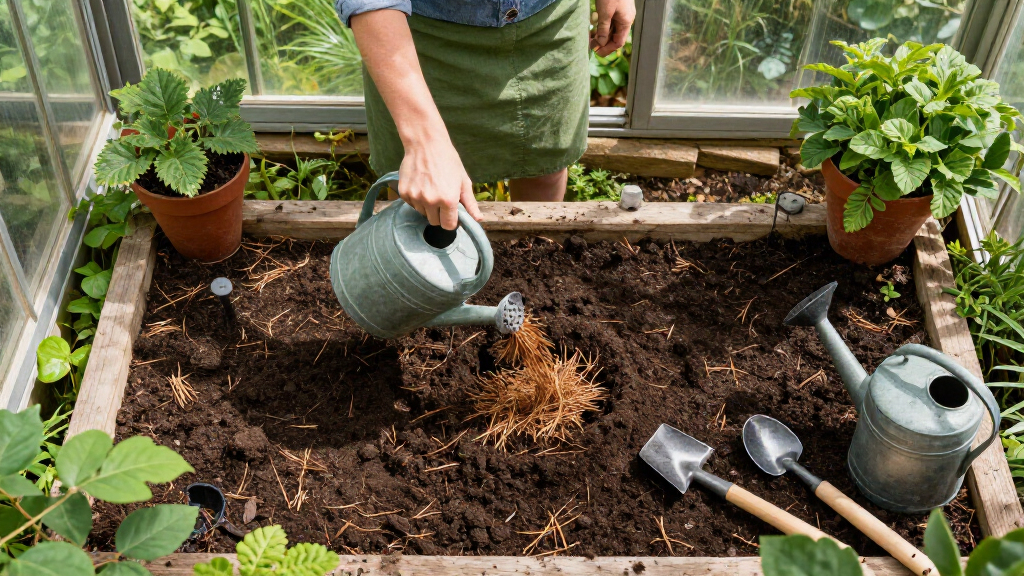
Use pine needles as a thin mulch layer, compost them before applying, and avoid piling them excessively. Monitor your soil pH if you have concerns about acidity.
Are there plants that benefit from pine needle mulch?
Yes, acid-loving plants like azaleas, blueberries, and rhododendrons can benefit from pine needle mulch, but it’s still advisable to monitor soil pH for sensitive species.
How long does it take for pine needles to decompose and lose their acidity?
Decomposition typically takes one to two years, during which the acidity is neutralized, making pine needles safe for use as mulch.
Is the impact of pine needles on soil pH the same across different pine species?
Variations exist, but generally, all pine needles are mildly acidic. Differences in composition are minor, and the overall effect remains minimal in typical gardening contexts.
Source: rss
Fall Picks
fall essentials
As an affiliate, we earn on qualifying purchases.