
TL;DR
Interest in accessible gardening is rising, driven by a trend toward inclusive outdoor spaces. Experts highlight seven practical ideas to make gardening easier for people of all abilities, with growing demand for such solutions.

Get garden gear delivered free with Prime
- Fast, free delivery on millions of items
- Prime Video, Amazon Music and more included
- Member-only deals all year
Why Accessible Gardening Matters for All
This trend highlights a shift toward inclusive outdoor activities, making gardening accessible for people with mobility challenges, disabilities, or aging-related limitations. Implementing these ideas can foster greater community engagement, improve mental health, and promote sustainable outdoor practices. As interest grows, more manufacturers and community programs are likely to develop and promote accessible gardening solutions, broadening participation and reducing barriers for diverse populations.Products Worth Considering

Vitamix 5200 Professional-Grade Blender, 64 oz. Container, Black

KitchenAid Artisan 5-Quart Tilt-Head Stand Mixer, KSM150PS, Almond Cream

Vitamix 5-Speed Immersion Blender, 625-Watt, Stainless Steel/Black
As an affiliate, we earn on qualifying purchases.
Rising Interest in Inclusive Outdoor Spaces
Over recent years, there has been a noticeable increase in interest around accessible and adaptive outdoor activities, including gardening. This trend aligns with broader societal movements toward inclusivity and aging-in-place initiatives. Experts suggest that the spike in online searches and coverage may be linked to increased awareness of accessibility issues, although the specific trigger—such as a campaign or policy change—is unconfirmed. Historically, gardening has been a popular hobby, but physical barriers have limited participation for some groups; these new ideas aim to address those barriers directly.Unconfirmed Factors Behind the Growing Interest
It is not yet clear what specific factors are driving the recent spike in interest—whether it stems from targeted campaigns, policy initiatives, or broader societal shifts toward inclusivity. The extent to which manufacturers and community programs are actively promoting accessible gardening solutions remains to be confirmed, as does the long-term sustainability of this trend.Next Steps for Promoting Accessible Gardening
Experts expect increased development and marketing of accessible gardening tools and solutions, alongside potential community programs aimed at education and outreach. Further research may clarify the impact of this trend on gardening participation rates among underserved populations. Monitoring online engagement and product adoption will help gauge whether this interest translates into sustained growth or remains a niche movement.Key Questions
What are some examples of accessible gardening ideas?
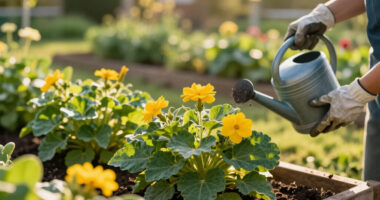
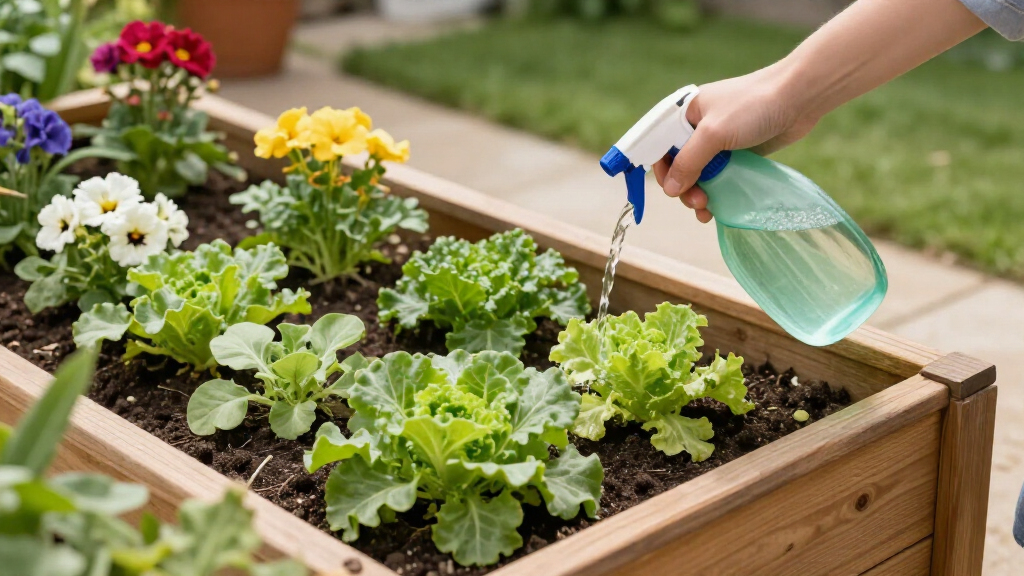
Examples include raised garden beds, ergonomic tools, adaptive containers, accessible pathways, and adjustable planting stations, all designed to reduce physical strain and improve ease of access.
Who benefits most from accessible gardening solutions?
People with mobility challenges, disabilities, older adults, and anyone seeking easier ways to garden can benefit from these ideas, making gardening more inclusive and enjoyable for all.
Are accessible gardening ideas expensive to implement?
The cost varies depending on the solution; many ideas like raised beds and ergonomic tools are affordable and widely available, while custom modifications may require a larger investment.
Is this trend supported by any organizations or policies?
While specific organizations or policies are not confirmed as drivers of this trend, increasing advocacy for inclusivity and aging-in-place initiatives are likely contributing factors.
Will accessible gardening become a standard practice?
As awareness and demand grow, it is possible that more manufacturers and community programs will adopt accessible design principles, potentially making these ideas more mainstream over time.
Source: rss