To introduce chia seeds safely, start with just 1 teaspoon a day to see how your body reacts. Gradually increase the amount over several weeks, always soaking them in water, milk, or juice for at least 15 minutes to aid digestion. Make sure to drink plenty of water throughout the day. Mixing chia into smoothies, yogurt, or oatmeal will help you enjoy their benefits comfortably. Keep exploring for more tips to maximize your chia experience.
Key Takeaways
- Start with 1 teaspoon daily and gradually increase intake as tolerated.
- Soak chia seeds in water or liquids for at least 15 minutes before consuming.
- Incorporate soaked or blended chia into smoothies, yogurt, or oatmeal for easier digestion.
- Maintain adequate hydration throughout the day to support digestion and prevent bloating.
- Monitor your body’s response and adjust portion sizes to avoid digestive discomfort.
If you’re interested in adding chia seeds to your diet, it’s vital to start gradually to avoid any digestive discomfort. Chia seeds are packed with nutritional benefits, making them a great addition to your meals, but introducing them slowly helps your body adjust. When you begin, start with just a teaspoon per day and gradually increase as your system tolerates it. This approach allows you to experience the benefits without overloading your digestive system, which can sometimes react to the high fiber content.
Understanding the nutritional benefits of chia seeds can motivate you to incorporate them regularly. These tiny seeds are a rich source of omega-3 fatty acids, fiber, protein, antioxidants, and essential minerals like calcium, magnesium, and phosphorus. They support heart health, improve digestion, stabilize blood sugar levels, and boost energy. Because of their versatility, you can add chia seeds to a variety of dishes, but proper preparation is key to maximizing their benefits and avoiding discomfort.
Chia seeds pack omega-3s, fiber, protein, minerals; support heart, digestion, blood sugar, and energy.
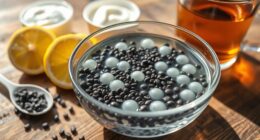
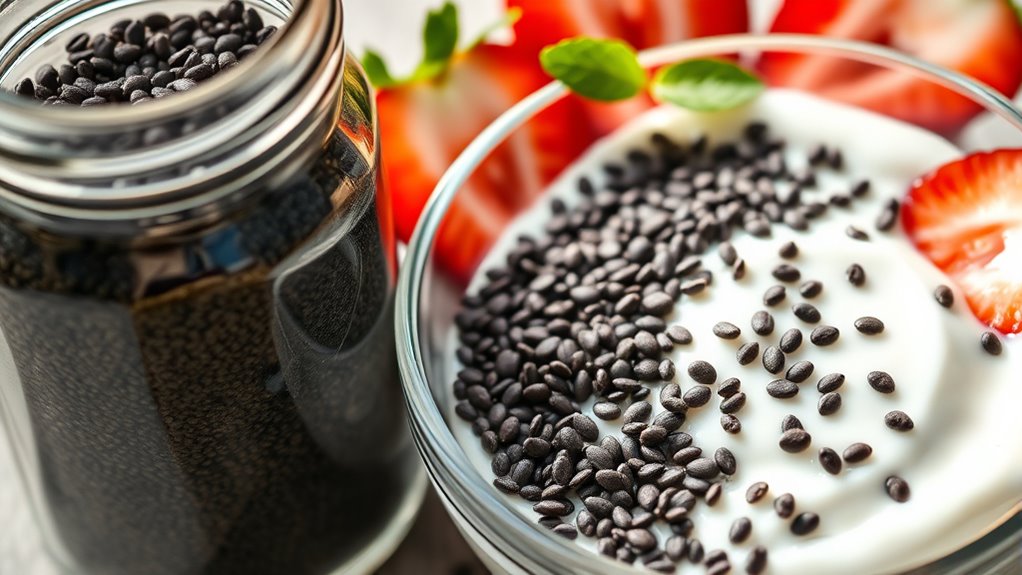
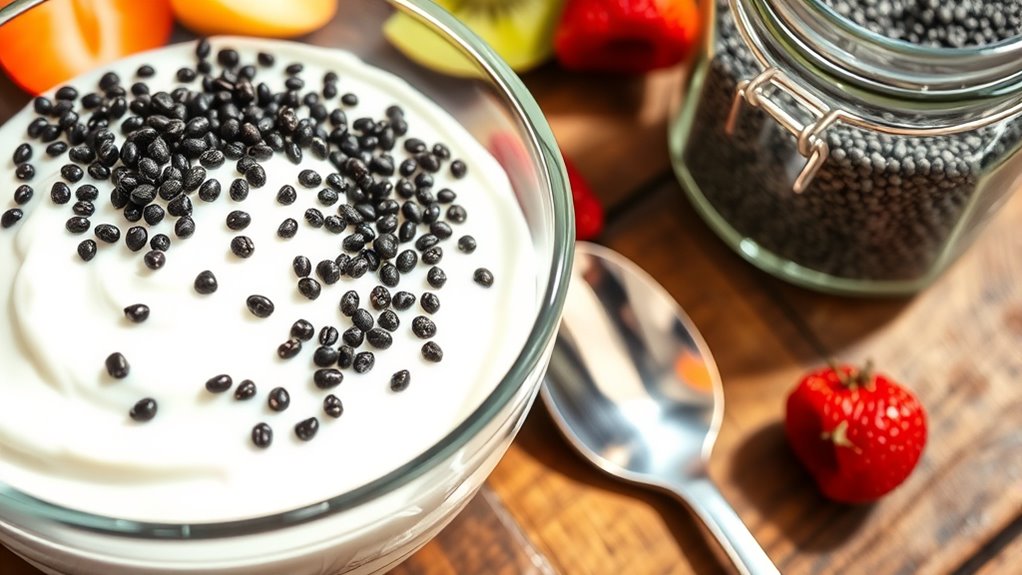
Preparation tips are simple yet effective. Before adding chia seeds to your diet, soak them in water, milk, or juice for at least 15 minutes. This process transforms them into a gel-like consistency, making them easier to digest and helping your body absorb the nutrients more efficiently. You can also blend soaked chia seeds into smoothies or mix them into yogurt or oatmeal. If you prefer a crunchier texture, sprinkle dry seeds over salads or cereals, but be sure to chew thoroughly to aid digestion.
An additional benefit of soaking chia seeds is that it allows your body to better utilize their nutrients, especially since they are a concentrated source of antioxidants and minerals. When preparing chia pudding, combine the seeds with your choice of milk and let it sit in the refrigerator for a few hours or overnight. This not only simplifies your breakfast routine but also ensures you’re consuming the seeds in a way that minimizes bloating or gas. Remember, staying hydrated is essential because chia seeds absorb a lot of liquid, so drink plenty of water throughout the day to support digestion.
Incorporating chia seeds into your diet doesn’t have to be complicated. With small initial servings, proper preparation, and a focus on hydration, you can enjoy their nutritional benefits safely. As you become more comfortable, you can experiment with different recipes and quantities, but always listen to your body. By doing so, you’ll establish a sustainable routine that leverages chia seeds’ health advantages without any digestive issues.
Frequently Asked Questions
Can Chia Seeds Cause Allergic Reactions?
Chia seed allergies are rare but possible. You might experience allergic reactions like itching, swelling, or difficulty breathing if you’re sensitive. To identify allergic reactions, pay attention to symptoms after eating chia seeds. If you notice any adverse effects, stop consumption and consult a doctor. It’s wise to start with small amounts and monitor how your body responds before adding more, especially if you have known food allergies.
Are There Any Medications That Interact With Chia Seeds?
Chia seeds are like tiny magic beans, but they can interact with certain medications. You might notice effects on medication absorption or herbal supplement interaction, especially if you take blood thinners or blood sugar medications. To stay safe, consult your healthcare provider before adding chia seeds to your diet, as they can help you understand potential interactions and adjust your medication schedule accordingly.
How Much Chia Seeds Is Safe Daily for Children?
For pediatric chia intake, you should limit chia seed portioning to about one teaspoon (around 5 grams) daily for children aged 3-8 years. This amount provides health benefits without risking digestive issues. Always start with a small portion and observe how your child reacts. Consult your pediatrician before increasing the amount, especially if your child has any health concerns or is on medication.
Do Chia Seeds Affect Blood Sugar Levels?
Chia seeds can positively influence blood sugar levels because their fiber slows digestion, leading to a moderate blood sugar impact. When you include chia seed fiber in your diet, it helps stabilize blood sugar spikes after meals. However, if you have diabetes or blood sugar concerns, monitor your levels and consult your healthcare provider to guarantee chia seeds fit your dietary needs.
Can Chia Seeds Be Consumed During Pregnancy?
Like a nurturing seed growing into a sturdy plant, consuming chia seeds during pregnancy can offer valuable nutritional benefits. You should consult your healthcare provider first, but generally, they’re safe in moderation. Incorporate them into your diet with preparation tips like soaking for easier digestion and mixing into smoothies or yogurt. These tiny powerhouses provide fiber, omega-3s, and calcium, supporting your health and your baby’s development.
Conclusion
So, after all that, you might find it amusing that adding chia seeds—those tiny superfoods—could be the easiest health upgrade you’ll never notice. Just remember, even the smallest seeds can pack a punch, so start slow and stay mindful. Ironically, what seems like a minor addition could become your favorite daily habit. Who knew that such a tiny seed could make such a big difference? Happy chia-ing!