To grow chia sustainably, focus on organic methods like enriching your soil with compost, using cover crops such as clover to fix nitrogen, and minimizing tilling to protect soil microbes. Practice integrated pest management by monitoring pests early and encouraging beneficial insects with native plants. Maintain consistent watering with mulches, avoid synthetic fertilizers, and promote soil biodiversity. Applying these techniques will help guarantee healthy, resilient plants—continue exploring for more detailed strategies to enhance your chia cultivation sustainably.
Key Takeaways
- Incorporate compost and cover crops like clover to naturally enrich soil fertility and nitrogen levels.
- Use organic pest controls such as neem oil and encourage beneficial insects to prevent pest issues.
- Maintain consistent moisture with mulching and avoid waterlogging to promote healthy chia growth.
- Minimize soil disturbance and rotation crops to preserve microbial diversity and soil structure.
- Apply organic amendments and sustainable water management practices to ensure long-term soil health and productivity.
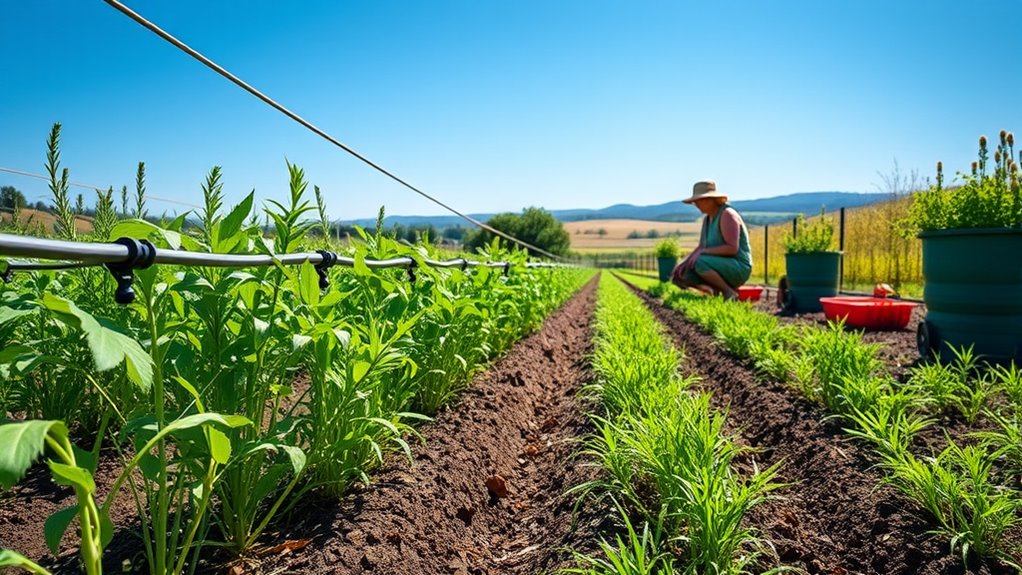
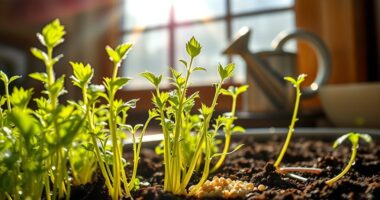
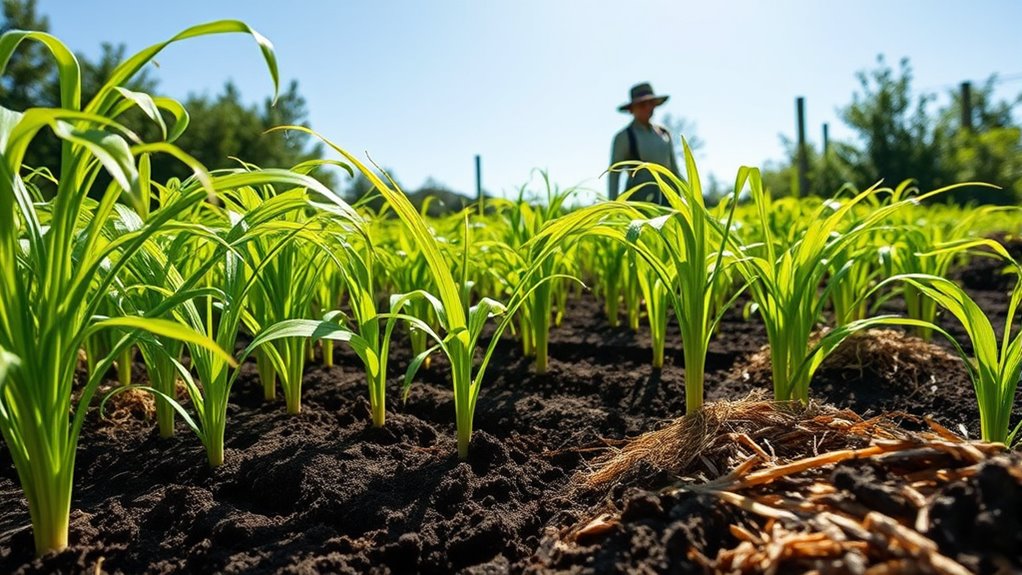
Are you looking for a way to grow chia sustainably and organically? If so, focusing on soil health is essential. Healthy soil forms the foundation of thriving chia plants and helps guarantee a sustainable harvest. To improve soil health naturally, incorporate organic matter like compost and cover crops into your planting area. Compost enriches the soil with crucial nutrients, promoting strong root development and overall plant vitality. Cover crops such as clover or vetch fix nitrogen in the soil, reducing the need for synthetic fertilizers and maintaining soil structure. Avoid tilling excessively, as this can disturb soil microbes that contribute to nutrient cycling. Instead, practice minimal disturbance techniques to preserve soil biodiversity, which enhances resilience against pests and diseases.
Pest management is another critical aspect of organic chia cultivation. Instead of relying on chemical pesticides, adopt integrated pest management (IPM) strategies that focus on prevention and natural controls. Regularly monitor your chia plants for signs of pests or diseases, so you can catch issues early before they spread. Encourage beneficial insects like ladybugs and predatory beetles by planting native flowers or flowering herbs nearby. These natural predators help keep pest populations in check without harming your plants or the environment. Additionally, use organic-approved sprays such as neem oil or insecticidal soaps when necessary, but always follow application instructions carefully. Crop rotation also plays a role in pest management, as it disrupts pest cycles and minimizes the buildup of specific pests in the soil. Incorporating proper shifting techniques when managing tools and equipment can further reduce soil compaction and disturbance, supporting healthy microbial activity.
Water management complements your efforts in maintaining soil health and controlling pests. Ensure your chia plants receive consistent moisture without becoming waterlogged, as overly wet soil can lead to root rot and attract pests like fungus gnats. Mulching around your plants helps retain moisture, suppress weeds, and regulate soil temperature, creating a more stable environment for chia growth. Keep your planting area free of debris and weeds, which can harbor pests and diseases. Using organic mulches and natural barriers reduces pest access and protects your plants naturally.
Frequently Asked Questions
How Do Organic Techniques Impact Chia Seed Nutritional Content?
Organic techniques positively impact your chia seed’s nutritional content by promoting seed nutrient enhancement. When you use organic farming benefits like composting and crop rotation, you help maintain soil health, which boosts essential nutrients in the seeds. This results in chia seeds that are richer in omega-3s, fiber, and antioxidants. By choosing organic methods, you guarantee your chia seeds are more nutrient-dense, healthier, and better for sustainable cultivation.
What Are the Best Organic Pest Control Methods for Chia Plants?
Think of your chia plants as delicate dancers on a stage, needing gentle guidance. You can keep pests at bay through companion planting, pairing chia with herbs like basil or marigolds that repel unwanted visitors. Attract natural predators such as ladybugs or lacewings to patrol your garden like vigilant guardians. This eco-friendly approach creates a balanced ecosystem, ensuring your chia thrives without harmful chemicals, like a well-conducted symphony of nature.
Can Organic Chia Cultivation Be Scaled for Commercial Farming?
Yes, you can scale organic chia cultivation for commercial farming, but you’ll face market expansion and certification challenges. To succeed, focus on maintaining organic standards, managing soil health, and building relationships with certifying bodies. As you expand, guarantee consistent quality and sustainable practices to meet growing demand. Staying informed about organic certification requirements helps you navigate hurdles and ultimately grow a successful, eco-friendly chia farming operation.
How Does Soil Health Influence Organic Chia Yield and Quality?
Think of your soil as a vibrant orchestra, where soil biodiversity and microbial activity play essential roles in harmony. When these elements thrive, they nourish chia plants with rich nutrients, boosting both yield and quality. Healthy soil acts as a foundation for organic growth, enabling resilient plants that resist pests and diseases naturally. By nurturing this lively underground community, you guarantee your chia crops flourish with vibrant seeds and robust health.
Are There Specific Organic Fertilizers Recommended for Chia?
You should use organic composting and cover crop benefits to fertilize your chia plants naturally. Organic compost enriches the soil with essential nutrients, promoting healthy growth and high-quality yield. Cover crops, like legumes, fix nitrogen and improve soil structure, reducing the need for synthetic fertilizers. Together, these organic fertilization methods support sustainable chia cultivation, enhance soil health, and boost your crop’s overall yield and quality naturally.
Conclusion
By embracing organic techniques, you nurture healthy soil and resilient chia plants, fostering sustainability and environmental harmony. While chemical shortcuts may promise quick gains, they often compromise long-term robustness. Choosing organic methods isn’t just about better yields; it’s about preserving nature’s delicate balance. Ultimately, sustainable chia cultivation isn’t just a choice—it’s a commitment to nurturing the earth, ensuring future generations can enjoy its bounty just as you do today.