
TL;DR

Get garden gear delivered free with Prime
- Fast, free delivery on millions of items
- Prime Video, Amazon Music and more included
- Member-only deals all year
A Nov. 5 Laidback Gardener report describes an experiment to overwinter three heavily pruned jalapeño plants indoors. Peppers are short-lived perennials in frost-free conditions, but the plants’ survival and spring growth in this trial are not yet known.
A gardener is testing whether three heavily pruned jalapeño plants can survive winter indoors, in an experiment described by Laidback Gardener on Nov. 5. The report explains that peppers are short-lived perennials in frost-free conditions, although cold weather kills them in many gardens; whether these particular plants will make it to spring remains unknown.
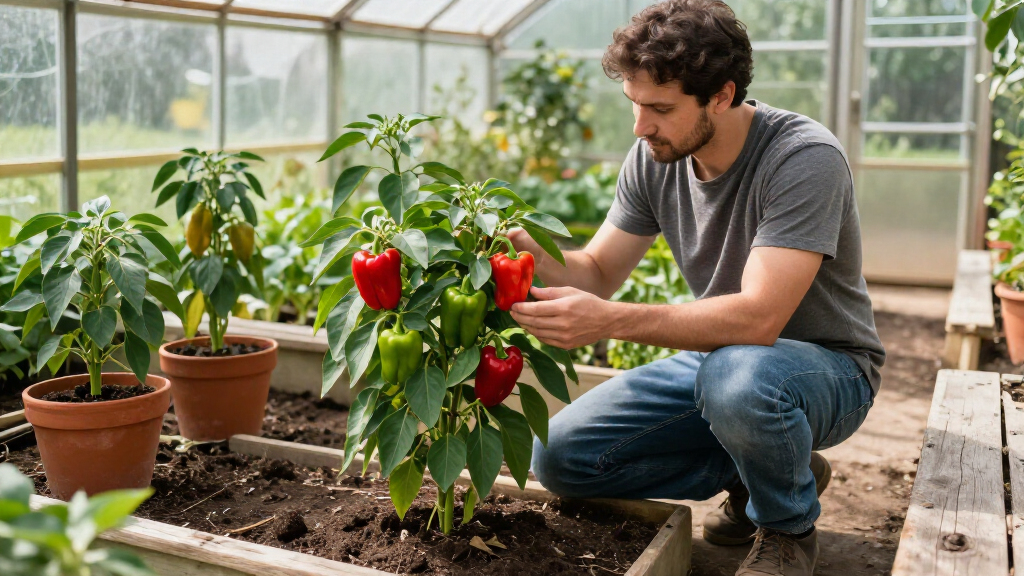
The plants, which grew in an unheated greenhouse, were dug up in October and placed together in a large pot. The gardener cut them back to about 20 centimetres (8 inches) of stem or less and plans to keep them in a basement at about 15°C (59°F), beside a south-facing window. The plan is to check the soil and water roughly once a month only if it has become dry.
The report identifies jalapeños as Capsicum annuum, the same species as bell peppers, cayenne peppers and Espelette peppers. Despite the species name’s Latin meaning, “annual,” the plant can live for several years in its native range, the report says. Frost, rather than the end of a one-season life cycle, is why peppers commonly die outdoors in colder climates.
The gardener said the three jalapeños produced only two peppers during the summer and described the winter plan as an experiment. The report does not say the plants have survived winter or produced new growth. Any leaves that appear indoors would indicate growth under the available conditions, not necessarily a problem with the trial.
A Possible Alternative to Spring Sowing
If the plants survive, overwintering could give gardeners a way to keep established peppers for another season rather than starting each plant from seed. The report contrasts the low-maintenance winter setup—one pot near a window and infrequent checks—with sowing peppers indoors eight to 10 weeks before planting outside, which can involve lights, watering, repotting and acclimating seedlings to outdoor conditions.
That comparison is not a measured result: the article reports an individual trial, not a controlled test showing that overwintering is easier or more productive for all gardeners. Keeping a large pot indoors also takes space, and the report notes that plants brought in from the garden may present drawbacks. Whether saved plants yield more or better peppers the next year is not established here.
The advice is relevant to gardeners facing frost because it separates the plant’s potential lifespan from the local growing season. It also points to a practical risk: a leafless plant in cool, dim conditions uses little water, so wet soil can persist and deprive roots of oxygen. The article advises checking the mix rather than treating a monthly watering schedule as a rule.
Products Worth Considering

Instant Pot Rio 6-Quart 7-in-1 Electric Pressure Cooker, Black

Cuisinart TOA-112 15-in-1 Extra-Large Digital Toaster Oven Air Fryer

Instant Pot RIO Wide 7.5-Quart 7-in-1 Electric Pressure Cooker
As an affiliate, we earn on qualifying purchases.
Why Frost Ends Outdoor Pepper Seasons
In frost-free parts of their native range, from Mexico to northern South America, peppers grow as small shrubs that can live for several years, according to the Laidback Gardener report. It describes the wild chiltepin pepper, native to Mexico and the southwestern United States, as a shrub that may live for decades. That example concerns a wild relative; it does not establish how long a cultivated jalapeño will survive in a home or garden.
The article distinguishes a pepper’s response to winter from the seasonal dormancy of some temperate trees. It says peppers do not require the same internal, cold-dependent dormancy as a maple. Instead, reduced light, cool temperatures and loss of leaves can halt growth. The report calls this response ecodormancy, or quiescence: a pause imposed by unfavourable conditions that can end if conditions improve.
In the described setup, the plants are being kept cool but not outdoors in freezing weather. The report says they might produce leaves before spring as days lengthen, using energy stored in their roots and stems. Such growth is possible, not guaranteed; the article offers no outcome from the experiment yet.
The Trial Has No Spring Results Yet
The report describes the planned winter conditions but does not provide a result. It remains unknown whether all three plants will survive, when or whether they will produce leaves, and whether they will fruit in the next growing season. The article also does not report a comparison with plants grown from seed or specify a measured survival rate.
Outcomes may depend on the indoor conditions and on each plant’s health. The report gives the basement temperature and window exposure but does not provide measurements of humidity, light levels or soil moisture. Its estimate that the plants may use very little water is an explanation for the approach, not a guarantee that every pot should be watered on the same schedule.
Watching for Growth Through Winter
The gardener plans to keep the pot in the basement, check the soil before watering and watch for signs of growth as the days get longer. The next useful update will be whether the pruned stems remain alive through winter and put out leaves or shoots in spring. The report does not announce a date for a follow-up or promise that the plants will be successful.
For readers trying the approach, the article’s stated method is to water only when the soil is dry, rather than following the calendar automatically. The trial’s results may help show whether these particular jalapeños can be carried through winter, but they will not by themselves establish a universal method for every pepper variety or indoor setting.
Key Questions
Are peppers perennials?
They can be. Laidback Gardener says cultivated peppers such as jalapeños are short-lived perennials in frost-free conditions. In colder gardens, frost can kill the plants after one growing season.
Will the three jalapeño plants survive winter?
That is not yet known. The report describes the gardener’s indoor overwintering plan but gives no spring results.
How much should an overwintered pepper plant be watered?
The report does not give a fixed amount. It advises checking the soil and watering only when it is dry, because a cool, leafless plant may use little water and persistently wet soil can damage roots.
Do overwintered peppers have to remain dormant?
No. The report says peppers’ growth can pause when conditions are unfavourable and resume if conditions improve. It notes the plants may produce some leaves indoors before spring, but this is not guaranteed.
Source: laidbackgardener.blog