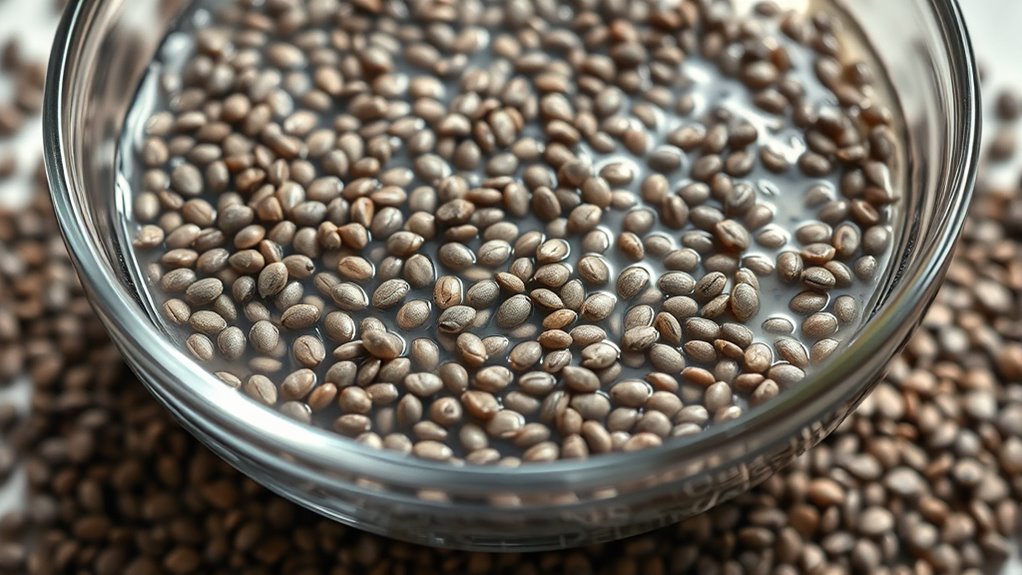
Processing methods like roasting can reduce some of the antioxidants and beneficial nutrients in chia seeds, as high heat breaks down sensitive compounds. Soaking and grinding, however, help improve nutrient absorption without significant losses. These techniques can preserve more antioxidants and enhance bioavailability. Commercial products may include additives that affect nutritional quality, so selecting minimally processed options is best. If you want to maximize your chia seeds’ health benefits, understanding how different processing methods influence them is essential—there’s more to discover ahead.
Key Takeaways
- High-temperature roasting can degrade antioxidants, reducing chia seeds’ overall nutritional antioxidant capacity.
- Soaking and grinding enhance nutrient bioavailability and may preserve or increase antioxidant effectiveness.
- Processing methods like roasting diminish natural antioxidants, while minimal processing retains more nutrients.
- Commercial products with additives or preservatives can lower the nutritional quality compared to raw or lightly processed seeds.
- Proper home processing, such as soaking and grinding, helps maximize the nutritional and antioxidant benefits of chia seeds.
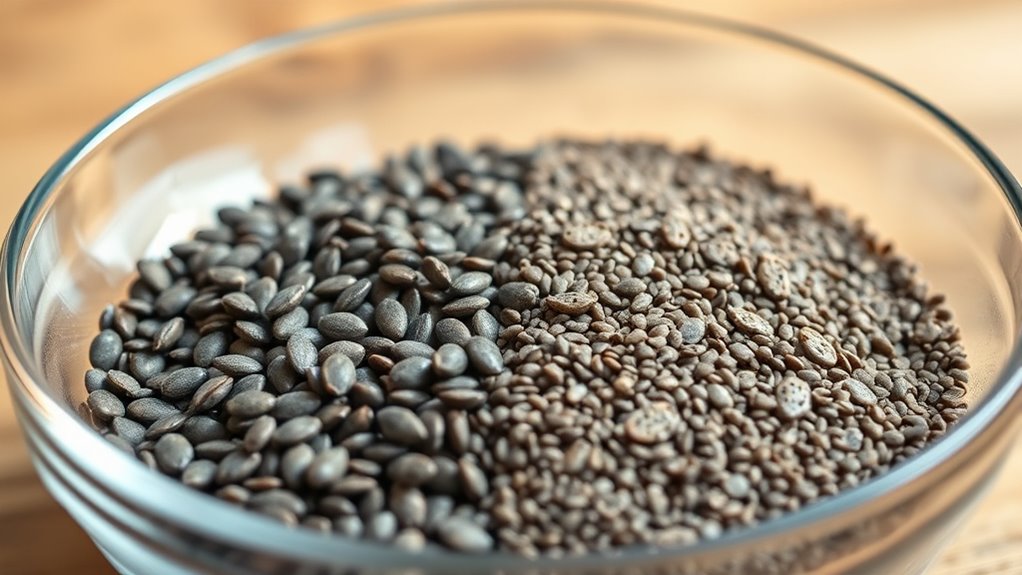
Chia seeds have gained popularity as a nutritious superfood, thanks to their rich nutrient profile and versatility in food preparation. You might wonder, though, how processing methods impact their nutritional value. The way you handle and prepare chia seeds can influence the amount of beneficial antioxidants they retain, ultimately affecting their health benefits. To understand this, it’s important to recognize that raw chia seeds naturally contain a wealth of nutrients, including omega-3 fatty acids, fiber, protein, and beneficial antioxidants that help protect your cells from damage. However, processing techniques like roasting, grinding, or soaking can alter these components to varying degrees.
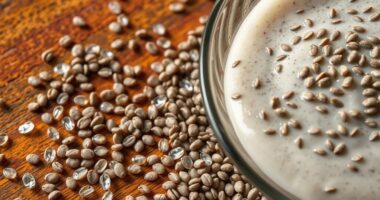
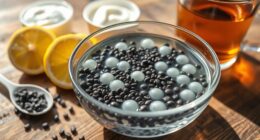
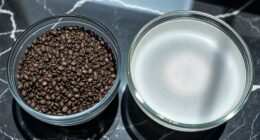
When chia seeds are roasted or heated at high temperatures, some of their beneficial antioxidants may degrade. Heat can break down sensitive compounds, reducing the seeds’ ability to combat oxidative stress. This doesn’t mean roasted seeds are devoid of benefits, but their antioxidant power might be slightly diminished compared to raw seeds. Conversely, certain processing methods like soaking or grinding can enhance nutrient bioavailability. Grinding chia seeds into a fine meal increases surface area, making it easier for your body to absorb nutrients like omega-3s and antioxidants. Soaking seeds in water or other liquids can also activate enzymes and make nutrients more accessible, while simultaneously reducing anti-nutrients that may hinder nutrient absorption. Additionally, processing methods can influence the preservation of nutritional antioxidants, which are key to the health benefits of chia seeds.
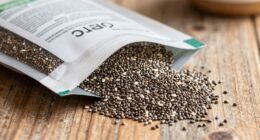
It’s essential to consider that some processing methods, especially commercial ones, may involve additives or preservatives that could impact the nutritional quality. For example, pre-packaged chia products might contain added sugars or flavorings that detract from their health benefits. Therefore, opting for minimally processed chia seeds—such as whole, raw, or lightly soaked—ensures you get the maximum benefit from their natural antioxidant content. If you’re grinding or soaking your chia seeds at home, you retain control over how much processing occurs and can preserve most of their beneficial antioxidants.
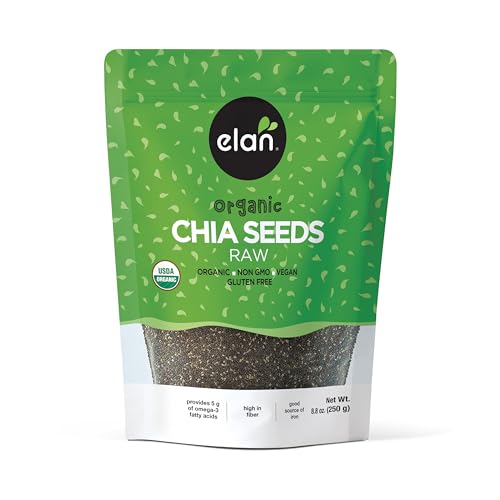
Elan Organic Chia Seeds, 8.8 oz, Natural Raw Black Chia Seeds, Plant-Based, Non-GMO, Vegan, Gluten-Free, Kosher, Gels Easily, Superfood
NUTRITIOUS SUPERFOOD: Elevate your healthy snacks with Elan Organic Chia Seeds. These small crunchy seeds gel easily, offering…
As an affiliate, we earn on qualifying purchases.
As an affiliate, we earn on qualifying purchases.
Frequently Asked Questions
Does Roasting Chia Seeds Reduce Their Omega-3 Content?
Roasting chia seeds can lead to some nutrient degradation, including a slight loss of omega-3s. The heat may cause omega-3 loss, but the extent depends on roasting time and temperature. You might notice a minor reduction in omega-3 content, yet the seeds still retain many nutrients. To maximize omega-3 preservation, opt for light roasting or consume raw chia seeds.
How Long Does Processed Chia Seed Shelf Life Last?
Processed chia seeds typically last between 1 to 2 years if stored properly. Your best bet for shelf stability is to keep them in an airtight container in a cool, dark place away from moisture and sunlight. Always check the packaging date and look for signs of spoilage, like a rancid smell or off taste. Proper storage extends their freshness and maintains their nutritional benefits over time.
Are Organic Chia Seeds Affected Differently by Processing?
Think of organic chia seeds as a pristine canvas; their purity remains more intact during processing. You’ll find that organic impact means less chemical interference, helping preserve seed purity. Processing can affect organic seeds differently, often maintaining more of their natural nutrients and antioxidants. So, when you choose organic, you’re protecting the integrity of the seed’s natural goodness, ensuring you get the most benefit from every nutritious bite.
Can Heat Processing Eliminate Anti-Nutrients in Chia Seeds?
Heat processing can help reduce anti-nutrients in chia seeds, but its efficacy varies. You’ll find that higher temperatures may promote anti-nutrient reduction, making nutrients more bioavailable. However, excessive heat might also diminish some beneficial nutrients. To optimize anti-nutrient reduction while preserving nutritional value, you should balance heat application carefully, as moderate heat often provides better anti-nutrient reduction without compromising the seeds’ health benefits.
Does Packaging Method Influence Nutrient Retention in Processed Chia Seeds?
Like Pandora’s box, packaging impact can either preserve or diminish nutrient levels in processed chia seeds. Proper packaging helps maintain nutrient preservation by protecting seeds from light, moisture, and oxygen, which can cause nutrient degradation. Airtight, opaque containers are ideal. When you choose packaging that shields chia seeds from environmental factors, you guarantee their nutritional value stays intact longer, so you get the maximum health benefits with every serving.
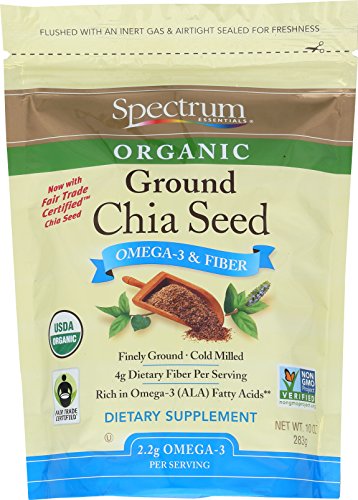
Spectrum Essentials Organic Ground Chia Seed, 10 oz
Ground chia seeds, a nutritional powerhouse used by ancient Aztecs and Mayans
As an affiliate, we earn on qualifying purchases.
As an affiliate, we earn on qualifying purchases.
Conclusion
Processing can turn your chia seeds from tiny powerhouses into more digestible gems, but it’s a delicate dance—like a chef balancing flavors. Overdoing it might strip away some nutrients, so you’ll want to find that sweet spot. Think of it as harvesting sunlight for your health; gentle processing keeps your seeds shining their brightest. By understanding how processing affects them, you can reveal their full nutritional potential and enjoy all the benefits they have to offer.
Elan Organic Chia Seeds, 8.8 oz, Natural Raw Black Chia Seeds, Plant-Based, Non-GMO, Vegan, Gluten-Free, Kosher, Gels Easily, Superfood
NUTRITIOUS SUPERFOOD: Elevate your healthy snacks with Elan Organic Chia Seeds. These small crunchy seeds gel easily, offering…
As an affiliate, we earn on qualifying purchases.
As an affiliate, we earn on qualifying purchases.
Elan Organic Chia Seeds, 8.8 oz, Natural Raw Black Chia Seeds, Plant-Based, Non-GMO, Vegan, Gluten-Free, Kosher, Gels Easily, Superfood
NUTRITIOUS SUPERFOOD: Elevate your healthy snacks with Elan Organic Chia Seeds. These small crunchy seeds gel easily, offering…
As an affiliate, we earn on qualifying purchases.
As an affiliate, we earn on qualifying purchases.