TL;DR

Get garden gear delivered free — and shop member deals
- Fast, free delivery on millions of items
- Access to Prime Big Deal Days deals on October 6–7
- Prime Video, Amazon Music and more included
Gardening Know How recommends five fall tasks to support hostas as they prepare for winter: divide overgrown clumps if needed, remove damaged foliage, check soil moisture, manage slugs and snails, and let healthy leaves die back naturally. The advice is seasonal guidance; results depend on local weather and growing conditions.
Gardening Know How has published a September care guide recommending five tasks for hostas as they head toward winter dormancy: divide large clumps if needed, clear damaged leaves, water when the soil dries, check for slugs and snails, and allow healthy foliage to die back naturally. The guidance matters because fall care can support plants through dormancy while avoiding premature removal of leaves that are still gathering energy.
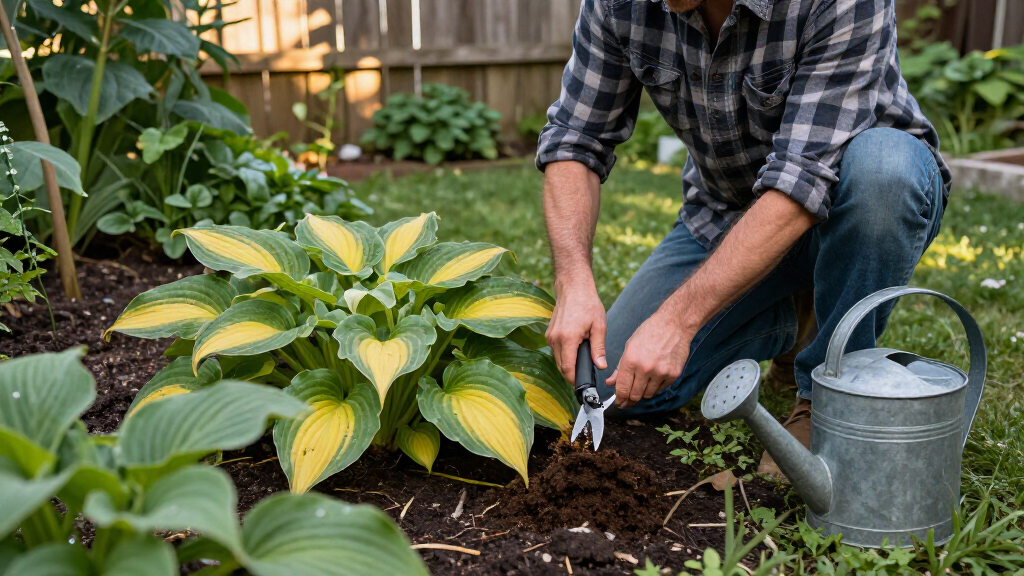
The guide says September can be a suitable time to divide and transplant overgrown hostas in many places, as warm soil, milder temperatures and more frequent rain may help divisions establish before winter. It advises lifting clumps gently, cutting with a clean, sharp tool, and making sure each division has healthy roots and part of the crown with stems. Replant at the original depth and keep the divisions watered until dormancy. The article says division is not an annual requirement.
For existing plants, the report recommends removing yellowed or pest-damaged leaves while leaving healthy green foliage in place. It says to check soil moisture and water deeply at the soil line if the top inch or two feels dry. It also advises looking for slug and snail damage, including holes and slime trails, and clearing debris around plants. Handpicking is suggested; the article also mentions bait as an option, without specifying a product or application directions.
The final task is to let hostas enter dormancy on their own. The guide describes yellowing and leaf collapse after the first hard frost as part of the seasonal cycle, and advises waiting to cut back foliage until most leaves are yellow, brown and wilted. Dead leaves should be cleared rather than left around plants through winter; foliage that appears diseased should be disposed of rather than composted.
Fall Care Supports Dormant Hostas
The recommendations address two competing needs in fall: hostas need enough water and healthy foliage as they prepare for winter, while damaged leaves and garden debris can shelter pests or disease. Waiting to remove healthy leaves gives them more time to gather energy, according to the guide. For gardeners with crowded clumps, dividing in early fall may also offer a chance to relocate plants, provided local conditions leave enough time for roots to establish.
The advice also sets expectations for appearance. Hostas may look untidy as their leaves yellow and collapse, but the report identifies this as normal dormancy preparation, not necessarily a sign that the plant is failing. The practical goal is to care for the plant through the change in season rather than keep its foliage looking fresh.
Hostas Shift Toward Winter Dormancy
Hostas are grown for their foliage, which remains active through the growing season. As temperatures cool and daylight changes in fall, the plants prepare for dormancy and their leaves gradually deteriorate. The Gardening Know How report frames September chores around that seasonal shift: maintain moisture when needed, address pests and damaged foliage, and avoid cutting back healthy leaves too early.
The guide’s timing is not a fixed calendar rule for every garden. It says September is suitable for division in most places, but the time available before winter varies with climate and local weather. Its advice is presented as general seasonal guidance rather than a guarantee that a particular set of chores will produce a specific result next year.
““The goal is to support the plants, not keep them looking perfect until winter.””
— Gardening Know How
Timing Depends on Local Conditions
The report does not provide a location-specific calendar for dividing hostas or a forecast for when a hard frost will arrive. Whether a September transplant has time to establish depends on local temperatures, soil conditions and the remaining growing season. The guide also does not quantify how much watering is needed; it directs readers to check the soil instead.
It offers pest management suggestions but does not compare methods or provide detailed instructions for slug and snail bait. Gardeners considering any pesticide product should follow its label directions and use the protective equipment specified on the label. The article makes no guarantee that following all five tasks will ensure healthy growth the following year.
Watch Plants as Frost Approaches
Through fall, gardeners can monitor rainfall and soil moisture, inspect leaves for slug and snail damage, and remove foliage that is already damaged or diseased. Those dividing clumps should water the new divisions as they establish and allow enough time before cold weather, based on their local conditions.
As leaves yellow and collapse, the guide recommends waiting until they are mostly wilted before cutting them back. After a hard frost and dormancy, remove the remaining dead foliage and clear it from the base of the plants. The report does not give a specific date for that cleanup because frost timing varies by location.
Key Questions
Should hostas be cut back in September?
Not while the foliage is still healthy and green. Gardening Know How advises letting green leaves continue gathering energy and cutting back after most foliage has yellowed, browned and wilted.
Is September a good time to divide hostas?
The guide says September is suitable in most places because warm soil and milder weather may give divisions time to establish before winter. Local climate and the time remaining before cold weather affect whether that timing is appropriate.
How often should hostas be watered in fall?
The report does not set a fixed schedule. Check the soil and water deeply at the base of the plant when it feels dry through the top inch or two.
Are yellowing hosta leaves a sign of a problem?
Not necessarily. The report describes yellowing and collapse as normal signs that hostas are preparing for dormancy. Leaves damaged by pests or disease should be removed, while healthy foliage should be left until it dies back.
Source: rss
Fall yard work Picks
leaf blowers
As an affiliate, we earn on qualifying purchases.