
TL;DR

Get garden gear delivered free with Prime
- Fast, free delivery on millions of items
- Prime Video, Amazon Music and more included
- Member-only deals all year
Homes & Gardens recommends six October tasks to prepare mint for winter and support fresh growth in spring: prune, clear debris, protect plants from severe cold, divide crowded roots, pot a section indoors and preserve the final harvest. These are seasonal gardening recommendations, not a report of a new study or official guidance.
Homes & Gardens has published six October care recommendations for gardeners growing mint, advising them to prune plants, clear debris, protect roots in severe cold, divide crowded plants, bring a section indoors and dry the final harvest. The steps are intended to prepare mint for dormancy and help it resume growth in spring, while providing leaves for use through winter.
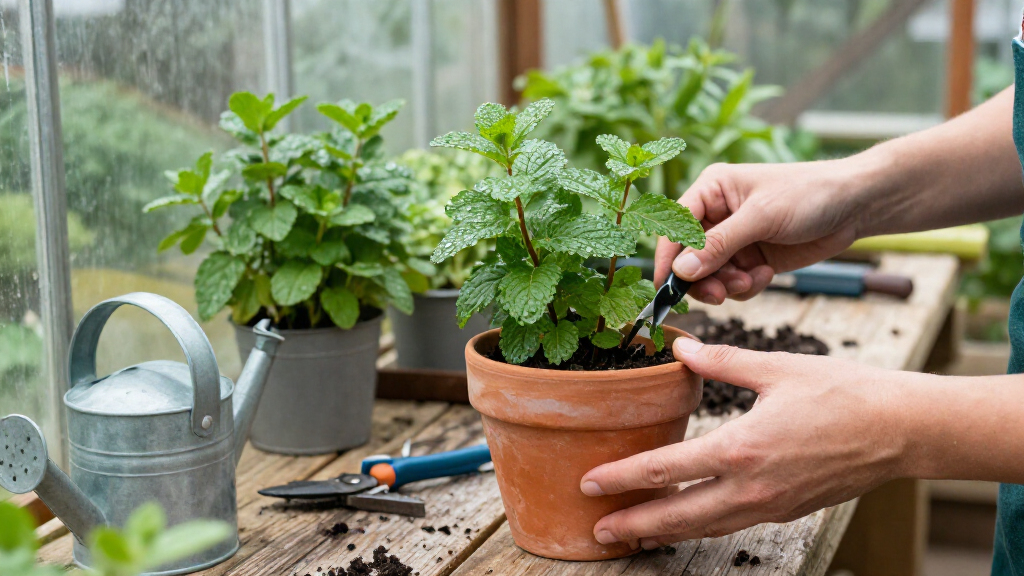
The report advises cutting outdoor mint stems back to about 2 inches (5 centimeters) above the soil as the plant enters dormancy. It says to use clean, sharp pruners and keep the cuttings rather than discard them, since the leaves can be dried for later use. The article’s rationale is that cutting back limits foliage exposed to winter frost and lets the plant retain energy in its roots.
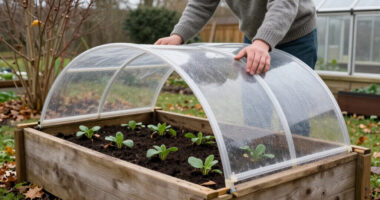
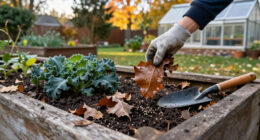
After pruning, gardeners are advised to remove fallen leaves, weeds and accumulated mulch around the crown, where the report says pests and fungal spores may overwinter. It describes most mint varieties as hardy to about 5°F (-15°C), while recommending a fresh 2-to-4-inch layer of mulch in colder locations. For mint in pots, the report suggests wrapping the container in bubble wrap or horticultural fleece, or moving it to a greenhouse or sheltered spot.
For crowded plants, the article recommends dividing the roots while mint is entering dormancy and replanting the sections in separate pots. It also suggests potting a piece for a bright indoor location, keeping its compost damp but not waterlogged. To preserve the remaining leaves, wash and dry the cuttings, then air-dry them spread in a single layer in a cool place away from direct sun. The report estimates this takes 7 to 10 days; leaves should be crisp enough to crumble when crushed.
Preparing Mint for Winter
October care can help gardeners manage mint before colder weather limits outdoor growth. Pruning and clearing debris leave plants tidier as they go dormant, while cold protection is aimed particularly at roots in containers, which the report says are more exposed to freezing than plants in the ground. Dividing congested mint can also provide additional plants without buying new ones.
The advice has a practical harvest benefit, too. Drying the final cuttings keeps mint available for teas and cooking when outdoor plants are not producing much new foliage. Growing a small pot indoors offers another possible source of leaves, although the report does not give a guaranteed timeline for indoor growth.
Products Worth Considering

Traeger Woodridge Pro Wood Pellet Grill and Smoker, 970 sq. in., WiFIRE

Le Creuset Enamemed Cast Iron Oval Dutch Oven, 5 qt., White/Crucible

KitchenAid Go Cordless Citrus Juicer with Battery, KCJR161BM
As an affiliate, we earn on qualifying purchases.
Six Seasonal Mint Tasks
The Homes & Gardens report presents its recommendations as routine fall care for an established herb, not as a response to a newly identified plant disease or a change in gardening guidance. Mint is described as easy to grow, but its vigor can make it crowded in containers and difficult to contain in garden beds. The article notes that some gardeners grow mint in a pot sunk into the ground to limit its spread.
The six tasks are pruning, debris removal, winter protection, dividing, indoor potting and preserving the harvest. They are not all necessary for every plant: protection depends on local temperatures and whether the mint is in a container, while division is suggested for plants that have filled their space. The report says divided sections can be replanted in multipurpose compost and that surplus cuttings should be allowed to dry out and die before composting, to reduce the chance they regrow.
For drying, the source advises washing leaves and stems in cold water, removing as much moisture as possible, and spreading them in a single layer. It recommends checking that leaves crumble when crushed before storing them. The article does not specify a storage container or shelf life for dried mint.
Limits of the October Advice
The recommendations come from a single Homes & Gardens gardening article; the supplied source material includes no independent expert comments, research findings or regional growing data. The report’s hardiness estimate is presented broadly, but actual winter conditions and plant performance can vary by location and growing situation. It does not specify how much protection is needed for every climate or pot size.
The source also does not identify a publication date, name an expert who provided the advice, or quantify how much pruning, dividing or indoor potting improves spring growth. Its suggested 7-to-10-day drying period is an estimate, not a guaranteed result; drying conditions can differ. Readers should adapt the steps to their local weather and the condition of their plants.
Tasks to Do Before Frost
Gardeners following the report can begin by pruning and clearing debris, then check the forecast and decide whether outdoor plants or pots need added protection. Those with crowded mint can divide it as dormancy begins, while a small section can be potted for a bright indoor position. The remaining cuttings can be washed and set out to dry.
After the plants are prepared, the next practical check is whether protection is holding up as temperatures fall and whether indoor mint is receiving enough light without sitting in waterlogged compost. The source gives no follow-up schedule or later update; its immediate recommendations are seasonal maintenance steps for October.
Key Questions
How far back should mint be cut in October?
The Homes & Gardens report recommends cutting stems back to about 2 inches (5 centimeters) above the soil, using clean, sharp pruners.
Does mint need winter protection?
The report says most mint varieties tolerate temperatures down to about 5°F (-15°C). For colder conditions, it suggests adding 2 to 4 inches of mulch. Container-grown mint can be more exposed to freezing, so the article recommends wrapping the pot or moving it to shelter.
Can mint be divided in October?
The article recommends dividing mint that has become crowded as it enters dormancy. Separate root sections can be replanted in individual pots.
How do you dry mint leaves?
Wash the cuttings, remove excess water and spread them in a single layer in a cool place out of direct sunlight. The report estimates 7 to 10 days and says the leaves are ready when they crumble when crushed.
Source: homesandgardens.com