TL;DR

Get garden gear delivered free — and shop member deals
- Fast, free delivery on millions of items
- Access to Prime Big Deal Days deals on October 6–7
- Prime Video, Amazon Music and more included
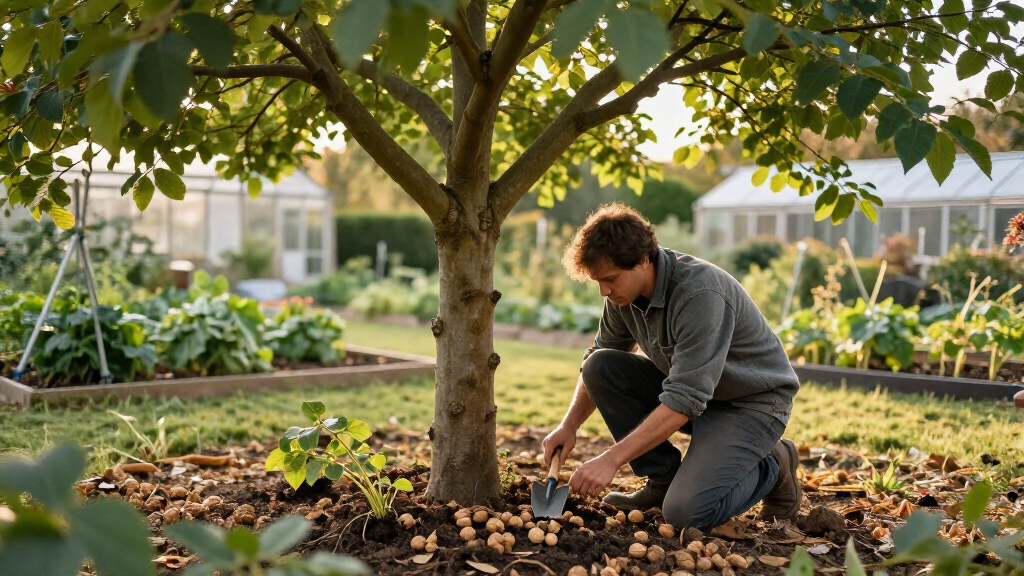
A Laidback Gardener report published October 3, 2026, explains how walnut trees release juglone, a compound that can hinder nearby plants. The effects may take years to emerge and vary with conditions: some plants tolerate walnut proximity, while blueberries, rhododendrons, apples and pears are described as more vulnerable.
A Laidback Gardener report published October 3 says walnut trees can release juglone into surrounding soil, a compound that may hinder some nearby plants, but the effects are neither immediate nor universal. The account describes a gardening concern often summed up as “nothing grows under a walnut” and says plant sensitivity, soil moisture, tree age and shade all matter.
The report identifies juglone as the compound associated with walnut-tree allelopathy, a chemical influence of one plant on another. It says juglone occurs in several parts of the tree and reaches soil primarily through root exudation. At sufficient concentrations, the compound can interfere with cellular respiration and photosynthesis in susceptible plants. The article does not provide experimental measurements or a dose threshold for those effects.
The account says the effects can take 10 to 15 years to become apparent around a walnut tree and may be more severe in dry soil than in well-irrigated soil. These details are presented as gardening guidance in the report, rather than as results of a cited study in the supplied material. It also notes that a young tree may allow a sunny planting bed to flourish for years before increasing shade and possible juglone exposure affect the plants.
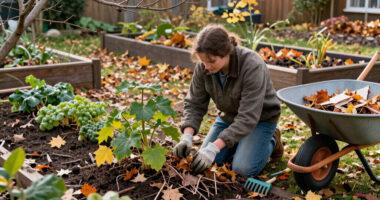
Plant responses vary, according to the report. It names blueberries, cranberries and rhododendrons among particularly sensitive plants, and says apple and pear trees can struggle nearby. By contrast, onions, beets and parsnips are described as workable options under young walnut trees; blackcurrants, elderberries and grapevines are also presented as relatively tolerant. The article singles out ginseng as having shown strong tolerance, but offers no trial data or conditions for that comparison.
Choosing Plants Near Walnut Trees
The practical point for gardeners is that a walnut tree does not automatically make its entire surrounding area unusable. Plant selection and site conditions can affect whether a bed succeeds, and the report cautions against treating all species as equally sensitive. Gardeners planning long-lived plantings may need to account for the tree’s growth, the available sunlight and the possibility that effects could develop over time.
The timing described also complicates diagnosis. A planting may initially grow well, then weaken years later as the canopy expands and the surrounding conditions change. The report points to both shade and juglone as possible factors, but does not establish how much each contributes in a particular garden. Observing soil moisture, sunlight and plant health can help frame the problem without assuming juglone is the sole cause.
The topic has wider scientific interest as well. The article says researchers are studying allelopathy for possible applications in biopesticides and in managing invasive plants. Those are research possibilities, not established products or outcomes; the report provides no specific studies, timelines or evidence that such uses are ready for gardeners.
As an affiliate, we earn on qualifying purchases.
How Walnut Allelopathy Works
Allelopathy refers to the influence of one plant on another through chemical compounds. The report traces the term to botanist Hans Molisch in the 1930s and says the phenomenon was more fully understood and described in the 1980s. It notes that the term originally covered both helpful and harmful plant interactions, though it is now often used to discuss negative effects.
Walnut trees are not the only plants associated with such chemical effects. The article also mentions rice and eucalyptus, alongside oats, sunflowers, clover, garlic mustard and mustard. It cautions that the presence of potentially active compounds does not mean every plant listed is toxic to other plants. For walnut gardens, its central distinction is between possible chemical influence and a predictable outcome for every nearby species.
““In the case of walnut trees, the harmful substance is called juglone.””
— Laidback Gardener report
As an affiliate, we earn on qualifying purchases.
What the Report Does Not Measure
The supplied report does not give juglone concentration measurements, a toxicity threshold, study citations or details about the varieties and growing conditions behind its plant-tolerance examples. It also does not establish that every struggling plant near a walnut is affected by juglone; shade, water availability and other garden conditions may be involved.
The report’s 10-to-15-year timeframe and its comparisons among plant species should be read as claims made by the article, not as a guarantee for a particular site. The extent of an effect in any individual garden, and the relative roles of soil chemistry and changing shade, remain unclear from the supplied material.
As an affiliate, we earn on qualifying purchases.
Research and Garden Planning
The article says research into allelopathy is continuing, with some researchers exploring potential biopesticides and others investigating whether these chemical effects could help control or slow invasive plants. It does not identify a forthcoming study, product launch or policy decision, so no specific next milestone is confirmed.
For gardeners, the report’s immediate guidance is to choose plants with their walnut tree’s age, shade and soil moisture in mind, and to treat species lists as guidance rather than certainty. Longer-term observation may show whether a planting changes as the tree grows, but the report does not offer a test that can confirm juglone as the cause of a plant’s decline.
As an affiliate, we earn on qualifying purchases.
Key Questions
Do walnut trees prevent every plant from growing nearby?
No. The report says plant responses vary: some may be sensitive to juglone, while others are described as tolerant. Walnut proximity does not guarantee failure for every plant.
What is juglone?
Juglone is a chemical compound the report associates with walnut trees. It says roots release it into surrounding soil and that it can interfere with respiration and photosynthesis in susceptible plants.
Which plants does the report identify as sensitive?
It lists blueberries, cranberries and rhododendrons as particularly sensitive and says apple and pear trees can struggle near walnuts. The report does not supply test conditions or measurements for these examples.
Can anything be planted beneath a walnut tree?
The report says onions, beets and parsnips may grow under young walnut trees, and describes blackcurrants, elderberries and grapevines as relatively tolerant. Results may vary with tree age, shade and soil moisture.
How long may walnut effects take to appear?
The article gives a range of 10 to 15 years, while noting that effects may be worse in dry soil. It does not establish that this timeframe applies to every tree or garden.
Source: rss
Fall yard work Picks
leaf blowers
As an affiliate, we earn on qualifying purchases.