
TL;DR
A Greenhouse Grower report by energy analyst Ian Knisely says greenhouse operators should prepare written plans for power cuts, not rely only on utility emergency planning. It recommends ranking equipment by crop risk, preparing for forecast grid stress and assigning staff responsibilities; utility-specific outage procedures and program terms vary.
Greenhouse Grower has published guidance urging greenhouse operators to create written plans for power curtailments, including which equipment can be shut down and which must remain on to protect crops. Energy analyst Ian Knisely says utilities and grid operators maintain emergency plans for reducing electricity use, but growers should prepare their own response rather than wait for an outage order.

Get garden gear delivered free with Prime
- Fast, free delivery on millions of items
- Prime Video, Amazon Music and more included
- Member-only deals all year
Knisely’s report says federal reliability standards require grid operators to maintain emergency procedures for cutting load. Utilities may implement planned outages when electricity supply cannot meet demand; warning can come with only minutes’ notice. Hospitals and other critical facilities may receive protection where possible, while greenhouses and other customers remain at risk. The report describes rolling outages in several regions in recent years during heat waves and winter storms.
A greenhouse plan starts with an inventory of major electrical loads, such as lighting, fans, heating, pumps, irrigation and controls. Operators then sort equipment into three categories: loads that can be switched off temporarily, loads that can be reduced, and loads that must stay on. Knisely says the choices depend on the crop and its growth stage, so the list may need to change during the season.
The report also recommends using forecasts and public grid alerts to prepare before an emergency order arrives. In hot weather, operators might pre-cool, irrigate earlier or close shade curtains before peak demand; in cold weather, they might heat in advance, close thermal curtains and test backup heat. A designated person should receive alerts and make decisions, while any automated controller sequence should be programmed and tested. The aim is to know how much load can be cut, for how long and with what crop risk.
Protecting Crops During Grid Stress
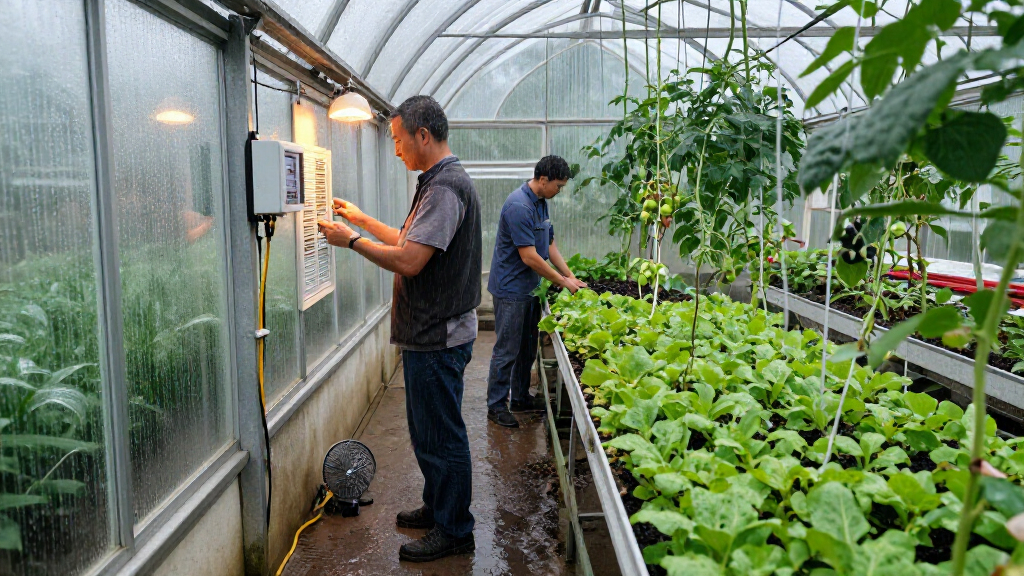
Greenhouses rely on electricity for systems that manage temperature, airflow, water and environmental controls. A sudden interruption can affect several systems at once, while the consequences depend on the facility, crop and conditions at the time. A written response plan gives staff a way to prioritize limited power and act before a short-notice cutoff, rather than making those decisions during the event.
Planning may also have a financial dimension. Knisely says utilities and grid operators may pay customers that agree in advance to reduce electricity use through demand-response programs. The report presents those programs as a way to obtain load reductions before an emergency outage is needed. It does not give payment rates or establish that every greenhouse qualifies, so operators would need to check the terms with their utility or program administrator.
Products Worth Considering

De'Longhi Stilosa Compact Manual Espresso Machine with Milk Frother

Vitamix 5200 Professional-Grade Blender

Cuisinart Chef's Style Portable Propane Tabletop Gas Grill, CGG-306P
As an affiliate, we earn on qualifying purchases.
From Utility Plans to Greenhouse Readiness
The report draws a distinction between an outage and a planned curtailment. During an outage, equipment can stop at once; with a curtailment plan, the grower chooses in advance which loads to drop or reduce and which to preserve. That distinction does not mean a grower can control whether a utility cuts service. It means the facility can prepare its own response to grid stress.
Knisely notes that California utility bills may show a customer’s rotating outage group or block, indicating its place in a potential sequence of cuts. He describes this as unusual compared with other parts of the country, where utilities also maintain emergency plans but may not print the information on bills. His recommendation is to ask the utility where the site falls in its plan and what alerts or demand-response options apply.
Local Rules and Crop Risks Vary
The report does not identify a specific outage event, utility, greenhouse or date for a planned power cut. It also does not provide a nationwide list of outage groups, notification timelines, demand-response eligibility rules or payment rates. Those details depend on the utility and program, so growers should confirm them directly rather than assume the California bill format or a particular alert process applies to their site.
The report offers general preparation steps but does not quantify how long a particular greenhouse can operate without power or which equipment can safely be curtailed. That depends on the facility’s systems, crop, growth stage, weather and backup capacity. Operators need to assess those risks for their own operation before setting load limits.
Ask Utilities and Test the Plan
Knisely’s recommended next steps are for growers to ask their utility about their site’s place in any outage plan, available alerts and demand-response programs, then develop a facility-specific load plan. That means documenting equipment demand, deciding what can be reduced, assigning who acts on warnings and checking whether environmental controls can run a prepared sequence.
Operators can then test procedures and backup equipment before grid stress occurs, and revisit the plan as crops and seasonal conditions change. The report does not announce a new utility requirement or a scheduled policy decision; it is practical guidance for preparing for possible curtailments.
Key Questions
What is a greenhouse curtailment plan?
It is a written procedure for reducing electricity use during grid stress. It identifies which loads can be switched off or reduced, which must remain on and who is responsible for responding.
How is a curtailment different from an outage?
In an outage, power may stop across equipment at once. A planned curtailment gives a grower a chance to reduce selected loads in an order set ahead of time, though the utility still controls service decisions.
Which greenhouse equipment should stay on?
There is no universal list. The report recommends identifying critical controls, alarms and equipment needed to protect the most sensitive crop, with decisions based on crop type, growth stage and site conditions.
Can growers be paid to reduce electricity use?
Knisely says utilities and grid operators may pay customers that agree in advance to reduce load through demand-response programs. Availability, eligibility and payment terms vary, so growers should ask their utility or program administrator.
Where can a grower find their outage group?
Knisely says California utility bills may list a rotating outage group or block. Because bill information and procedures vary elsewhere, growers should contact their utility to ask how their site would be notified and treated.
Source: greenhousegrower.com