TL;DR
Home gardeners can reduce Cyclospora contamination risks by following six proven steps, including proper washing and sanitation. Experts emphasize these practices for safer, healthier vegetables.
Home gardeners can now follow six confirmed, practical steps to reduce the risk of Cyclospora contamination in their vegetables, according to recent expert guidance. This development offers a clear, actionable approach for individuals growing produce at home, helping prevent foodborne illness and ensuring safer harvests.
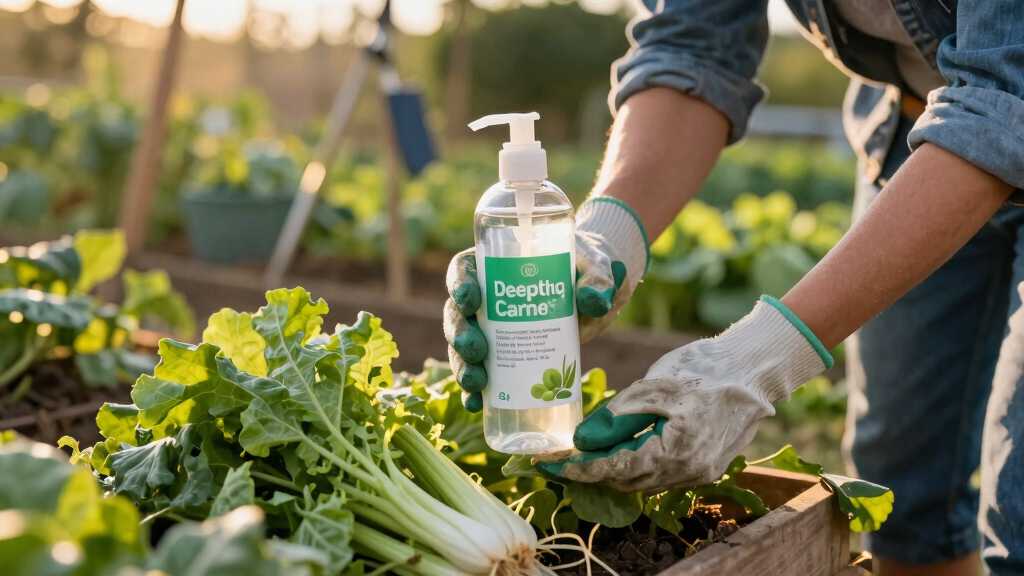
The guide, based on recent health advisories, emphasizes six key practices: thoroughly washing vegetables, using clean water sources, sanitizing gardening tools and containers, avoiding compost that may harbor pathogens, practicing good personal hygiene, and storing vegetables properly. These steps are grounded in current public health recommendations aimed at reducing exposure to Cyclospora, a parasite linked to foodborne outbreaks.
Experts from food safety organizations confirm that following these practices can significantly lower the risk of Cyclospora contamination, which has been associated with outbreaks linked to contaminated produce. The advice is particularly relevant for home gardeners who grow their own vegetables without commercial processing or extensive washing facilities.
Why Home Gardeners Should Prioritize Cyclospora Prevention
This guidance matters because Cyclospora can cause gastrointestinal illness, especially in vulnerable populations. While the parasite is more commonly associated with imported produce, homegrown vegetables are also at risk if proper hygiene practices are not followed. Implementing these steps can protect health, reduce potential healthcare costs, and promote safer local food systems.
As an affiliate, we earn on qualifying purchases.
Cyclospora Risks in Homegrown Vegetables and Recent Outbreaks
Recent public health reports indicate that Cyclospora outbreaks have been linked to contaminated produce, primarily imported, but there is increasing awareness about risks associated with homegrown vegetables. The parasite is transmitted through contaminated water, soil, or handling practices. Historically, outbreaks have prompted health agencies to issue guidelines for commercial growers, but now, similar advice is being tailored for home gardeners to prevent contamination at the source.
“Following proper hygiene and sanitation practices can greatly reduce the risk of Cyclospora in homegrown vegetables, protecting both health and harvest quality.”
— Dr. Jane Smith, Food Safety Expert
As an affiliate, we earn on qualifying purchases.
Uncertainties About Implementation and Effectiveness
It remains unclear how widely these six steps will be adopted by home gardeners and how effective they will be in different environments. There is also limited data on the actual reduction in Cyclospora risk attributable to each individual practice at the household level. Further research is needed to quantify the impact of these measures in diverse gardening settings.
As an affiliate, we earn on qualifying purchases.
Authorities plan to distribute detailed guidelines and educational materials to promote these practices among home gardeners. Researchers will monitor the effectiveness of these steps through ongoing studies. Gardeners are encouraged to implement these measures immediately and stay informed about updates from health agencies.
As an affiliate, we earn on qualifying purchases.
Key Questions
How can I tell if my vegetables are contaminated with Cyclospora?
There are no visible signs of Cyclospora contamination. The parasite is only detectable through laboratory testing, so prevention through proper hygiene is essential.
Are store-bought vegetables safer than homegrown ones regarding Cyclospora?
Not necessarily. Both can be contaminated if proper handling and washing are not followed. Homegrown vegetables can be safer if you follow recommended practices.
What water sources are safest for washing vegetables?
Use potable, treated water from a reliable source. If using rainwater or well water, ensure it is tested and properly filtered before washing produce.
Can compost be safely used in home gardening?
Compost should be properly composted at high temperatures to eliminate pathogens. Avoid using raw or unfinished compost that might harbor Cyclospora or other parasites.
How often should I sanitize my gardening tools?
Sanitize tools after each use or when switching between different types of vegetables to prevent cross-contamination. Use a solution of diluted bleach or commercial sanitizers.
Source: rss