
TL;DR
A Planet Natural report advises gardeners to decide what to do about late-season powdery mildew based on the plant’s remaining value and whether it will return next year. Treating a declining annual may offer little benefit; cleanup is usually more useful once a seasonal plant has finished producing, while perennials call for selective pruning rather than automatic removal.
A Planet Natural report says gardeners facing powdery mildew late in the season should base their response on whether a plant still has useful growth or will return next year, rather than reaching automatically for a spray. For a finished annual, removal and careful disposal are generally the more practical choice; a productive crop or returning perennial may merit selective care.

Get garden gear delivered free with Prime
- Fast, free delivery on millions of items
- Prime Video, Amazon Music and more included
- Member-only deals all year
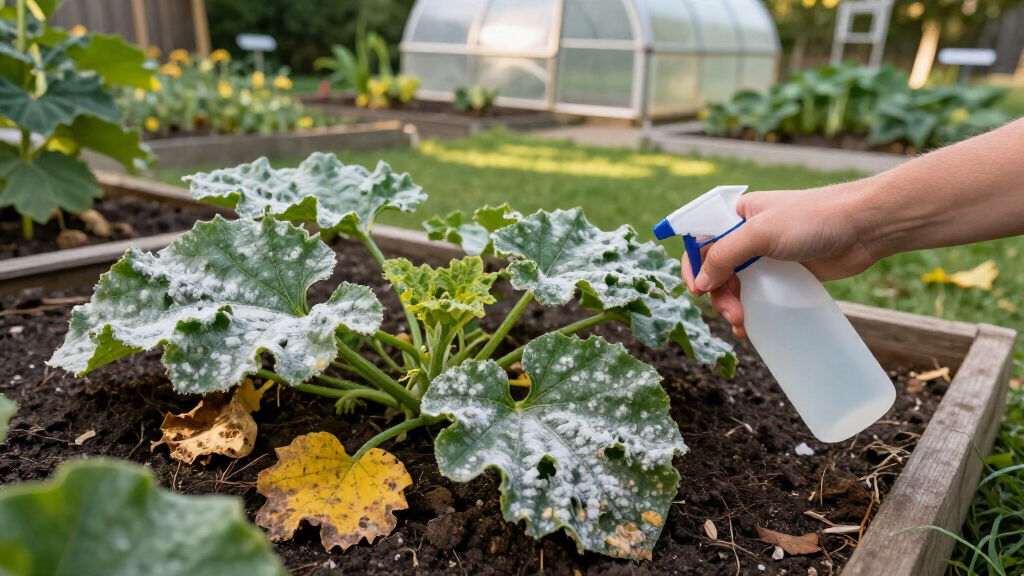
The report describes powdery mildew as a group of fungal diseases that typically produce a white-to-gray, powdery coating on leaves, stems, flowers or fruit. It cautions that pale patches can have other causes, including downy mildew, insect damage, natural leaf aging and spray residue. Gardeners uncertain about a diagnosis—especially when a plant is valuable—are advised to seek local diagnostic help before using a product.
For a crop that is still producing, the report recommends weighing the remaining harvest and useful weather against the amount of healthy foliage left. Gardeners can remove the most affected leaves if doing so will not strip away most of the plant’s canopy, improve airflow where appropriate and direct irrigation toward the soil. These steps manage growing conditions; they do not restore infected tissue.
The report says fungicides are protective tools, not a way to erase an established coating, and are most useful earlier in a disease cycle. A late spray may offer little return for a declining annual or a crop nearing its final harvest. If treatment is appropriate, use only a product labeled for the exact plant and problem, follow its instructions and observe any harvest interval. A product label for an ornamental should not be applied to an edible crop.
Deciding Before the Final Harvest
The choice affects both the current garden and how much effort is spent on a plant with little time left to recover or produce. Continuing a spray routine on a nearly spent annual may bring limited benefit, while removing a productive plant too soon could sacrifice remaining harvest. The report’s central distinction is what the plant can still contribute, not simply how unattractive its leaves look.
Cleanup can reduce one possible source of disease carryover, but it cannot guarantee mildew will be absent next season. Spores can arrive from nearby hosts or move on air currents, and some powdery mildew fungi overwinter on plant material. Gardeners therefore need to treat sanitation as one part of prevention, alongside spacing, airflow and early observation.
For perennials, an indiscriminate cut can remove healthy structure the plant still needs. Selective removal and debris collection can address affected growth without assuming the crown or roots must go. The report recommends closer investigation when disease repeatedly returns, causes substantial dieback or does not look like a typical powdery coating.
Products Worth Considering

KitchenAid Classic Series 4.5-Quart Tilt-Head Stand Mixer, Onyx Black

KitchenAid 38 oz Cold Brew Coffee Maker, KCM5912

Cuisinart Core Custom 10-Cup Food Processor, Anchor Gray
As an affiliate, we earn on qualifying purchases.
Different Plants, Different Decisions
The report distinguishes among three common late-season situations. A cucumber or squash plant still producing harvestable fruit may have value worth protecting. An annual that has finished producing is a candidate for removal. A perennial such as phlox, bee balm or peony may look ragged but still be expected to return, making selective cleanup more appropriate than an automatic hard cut.
When a seasonal plant is finished, the report advises removing it and gathering fallen leaves and debris rather than leaving an infected mat in place. Disposal depends on the available composting system and local rules. Many home compost piles do not reliably reach or maintain temperatures that reduce disease spores, so gardeners should check whether their local green-waste program accepts diseased material. Do not assume all composting systems handle it the same way.
For next season, the report points to resistant or tolerant varieties where available, mature plant spacing and avoiding unnecessary nitrogen that can encourage lush growth. It also recommends checking plants early, before symptoms become widespread. These measures are preventive; the source does not claim they can prevent every infection.
Diagnosis and Disposal Depend on Conditions
The source does not identify a specific garden, outbreak, region or product, and it supplies no publication date. Its recommendations are general guidance rather than a diagnosis for an individual plant. Similar-looking symptoms can have different causes, so it is not possible to say from appearance alone that every pale patch is powdery mildew.
The best disposal route also depends on local collection rules and how a home compost pile is managed. The report does not identify a single method suitable for every area. It advises containing debris as directed by the local program and keeping visibly diseased material separate from clean leaves. The degree to which cleanup will reduce disease next year is also uncertain because spores may come from other hosts or travel on air currents.
For a valued perennial with recurring or unusual symptoms, the report suggests recording the plant, location, timing and appearance, taking a photo before cutting, and consulting a nursery or plant clinic if the diagnosis would change the decision. It does not recommend moving or dividing a plant before considering whether that could spread a problem.
Plan Cleanup and Prevention
Gardeners can first check whether the affected plant is still producing useful growth and how much healthy foliage remains. If an annual is finished, remove the plant and loose debris, contain the material and follow local guidance for trash or green-waste disposal. If a perennial is otherwise vigorous, remove badly affected parts in line with its normal seasonal care and preserve healthy structure.
Before moving from an infected plant to a healthy one, knock leaf fragments from tools, wash away soil and sap, and clean blades when needed. Follow local disinfection guidance if a disease is confirmed or tools have cut clearly diseased tissue. Keep clean leaf material separate from visibly infected debris.
For next season, gardeners can note which plants and locations were affected, consider resistant varieties and spacing, and check susceptible plants early. Any fungicide use should follow the label for the specific plant and problem, including protective equipment and harvest restrictions stated on that label. No product or cleanup outcome is specified in the report; the next steps depend on the plant, diagnosis and local disposal rules.
Key Questions
Should I spray powdery mildew at the end of the season?
Not automatically. The report says a late spray may offer little return for a declining annual or a crop near its final harvest. If a plant remains worth protecting, use a product labeled for that exact plant and problem, follow all label directions, and observe harvest intervals.
What should I do with an annual that has stopped producing?
Remove the finished plant and collect fallen infected leaves and debris rather than leaving a diseased mat in place. Check local disposal rules; home compost piles may not reliably reach temperatures that reduce disease spores.
Should I cut back a perennial with powdery mildew?
Not necessarily. If it is otherwise vigorous and expected to return, the report recommends removing badly affected growth while preserving healthy structure the plant still needs. Recurring severe disease or unusual symptoms may merit local diagnostic advice.
Will cleanup stop powdery mildew next year?
No guarantee is stated. Sanitation can reduce one source of carryover, but spores may arrive from nearby hosts or on air currents, and some fungi overwinter on plant material. Spacing, airflow and early monitoring also matter.
Could a white coating be something other than powdery mildew?
Yes. The report lists downy mildew, insect damage, natural leaf aging, spray residue and other diseases as possible lookalikes. If the symptoms are unfamiliar or the plant is valuable, seek local diagnostic help before applying a product.
Source: rss