
TL;DR

Get garden gear delivered free with Prime
- Fast, free delivery on millions of items
- Prime Video, Amazon Music and more included
- Member-only deals all year
A Country Living report lists 12 plants that can add winter interest through colorful stems, persistent berries, dried flowers, textured bark and evergreen foliage. The list includes practical cautions, such as pairing male and female winterberry hollies for fruit and giving pussy willow room to spread.
Country Living has published a guide to 12 plants that can add color, texture and other visual interest to gardens in winter, when many plants have lost their leaves or flowers. The recommendations range from red-twig dogwood and winterberry holly to ornamental grasses and shrubs whose flowers appear in late winter or early spring, including plants that offer flowers and winter structure.
The report focuses on different ways plants can contribute to a winter garden. Red-twig dogwood is grown for stems that become more vivid as temperatures drop, while paperbark maple offers peeling bark and autumn foliage. Panicle hydrangea flowers often remain on the plant through winter, providing texture until they are removed or fall naturally in spring.
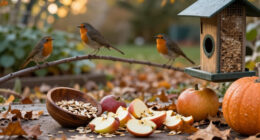
Some recommendations provide food or habitat as well as visual interest, much like plants that attract cardinals. The report says birds eat winterberry holly’s red berries, which persist after the shrub’s leaves drop; fruit requires planting both a male and a female cultivar for pollination. Leaving coneflower and black-eyed Susan stems upright can also provide winter food for birds, while ornamental grasses such as feather reed and fountain grass add movement when left standing alongside tough ground cover plants.
The remaining plants include lily of the valley shrub, daphne, Russian sage, pussy willow, heather and seven-son flower. Their features vary: daphne and lily of the valley shrub flower in late winter or early spring, pussy willow develops fuzzy catkins before its foliage emerges, and winter-blooming heather should be chosen as Erica carnea, according to the report. Seven-son flower combines late-summer blooms and purplish fruits with peeling bark that remains visible in winter.
Different Ways to Brighten Winter Beds
The list is useful to gardeners planning for a season when flowering displays are often limited. It shows that winter interest does not depend on one kind of plant: stems, bark, berries, seed heads and evergreen leaves can all contribute, while some shrubs offer flowers near winter’s end.
The recommendations also connect garden appearance with wildlife and maintenance. Keeping seed-bearing stems and grasses standing can leave food and structure in place, while a winterberry planting needs both sexes of the plant to produce berries. Pussy willow may spread, so gardeners need to allow for its mature size or plan to cut it back periodically.
Products Worth Considering

KitchenAid Go Cordless Citrus Juicer with Battery, KCJR161BM

KitchenAid Artisan 5-Quart Tilt-Head Stand Mixer, Almond Cream

Instant Pot Pro Plus 6 Qt 10-in-1 Electric Pressure Cooker, Black
As an affiliate, we earn on qualifying purchases.
The Report’s Planting Considerations
The Country Living article is a plant-selection guide, not a report on a new horticultural study or a claim that all 12 plants suit every garden. Its descriptions identify seasonal traits and a few growing considerations, but the supplied source does not provide detailed planting zones, soil specifications or a location-specific calendar.
Among the practical points it does include: winterberry needs male and female cultivars for pollination; pussy willow prefers wet areas but can adapt to other soils and may take over space; and Erica carnea is the heather recommended for winter blooms. The article also notes that panicle hydrangea heads can be cut in spring or left to fall naturally.
Local Conditions Shape Plant Choices
The source does not specify the report’s publication date, the hardiness zones or local climates in which each plant performs best, or whether the plants are suitable for every garden. Timing for flowers and seasonal color can vary by location and weather. The list should not be read as a guarantee that every plant will show the same features in every winter.
It also gives limited care detail for several selections, including Russian sage and the seven-son flower. Gardeners may need location-specific advice before choosing plants, especially where space, soil or winter conditions are limiting.
Match Selections to Your Garden
The article offers a set of options rather than a single planting plan. Readers can use its descriptions to decide which features matter most—berries for birds, colorful stems, persistent seed heads or late-season blooms—then check local growing guidance before buying or planting. For winterberry, that means confirming that both male and female cultivars are available; for pussy willow, it means allowing room for growth or planning periodic cutting back.
Gardeners should also account for their own seasonal schedule. Some plants provide interest now through stems or bark, while others flower toward late winter or early spring. The source does not set a universal planting deadline, so the appropriate timing remains dependent on local conditions and the plants selected.
Key Questions
Which plants in the list provide winter color?
Red-twig dogwood has vivid stems, and winterberry holly retains red berries after its leaves fall. Heather foliage can turn yellow, orange or bronze depending on the variety.
Does winterberry need more than one plant to produce berries?
According to the report, gardeners should plant both a male and a female cultivar so pollination can occur and berries can form.
Should dried flowers and ornamental grasses be cut back before winter?
The guide recommends leaving coneflower and black-eyed Susan stems upright for winter food for birds. It also says ornamental grasses can be left intact for texture and movement through the season.
Which heather is recommended for winter blooms?
The article specifies Erica carnea for winter flowering. It does not provide a detailed variety or location-specific planting recommendation.
What should gardeners know about pussy willow?
Pussy willow prefers wet areas but can adapt to many soil types, according to the report. It can spread, so gardeners should give it room or cut it back to the ground every few years to keep it in check.
Source: countryliving.com