TL;DR

Get garden gear delivered free with Prime
- Fast, free delivery on millions of items
- Prime Video, Amazon Music and more included
- Member-only deals all year
Milkweed is a herbaceous perennial that generally dies back in winter and regrows from underground roots. Gardeners can prune dead stems in fall or early spring, but should wait until seed pods mature and release their seeds; mulch may help protect roots in colder conditions or for less-hardy varieties.
A Gardener’s Path report says most milkweed plants need little winter care: the herbaceous perennials die back after setting seed, then can return in spring from underground roots. For other plants that need seasonal protection, see preparing tender plants for winter. Gardeners can cut dead stems in fall or early spring, while cold-climate growers or those planting a variety not hardy in their area may add a few inches of mulch to protect the root system.
The report describes milkweed, or plants in the genus Asclepias, as herbaceous perennials that flower in summer, produce seed in fall and die back in winter. Their roots can remain underground and produce new growth the following spring. The genus includes more than 100 species native to the United States and Canada, and their winter needs vary by species and climate.
Dead stems may be cut to the ground with clean pruners either in fall or in early spring. Before cutting, gardeners should wait until seed pods have matured and dispersed their seeds. Leaving the stems through winter can also provide nesting material: the report says birds and other small animals may use the seed fluff and stalk fibers.
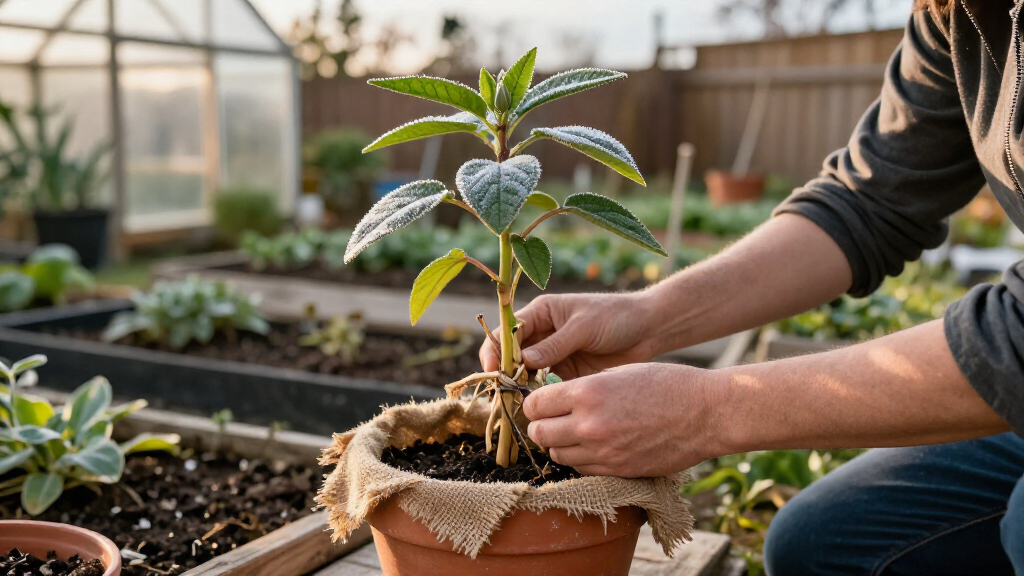
For plants in cold climates, or varieties that may not be hardy in the local growing zone, the report recommends adding a few inches of wood-chip or straw mulch to help protect roots over winter. This quick trick for potted plants also offers fall and winter protection. It does not suggest that every milkweed planting needs mulch. Gardeners can let seeds disperse naturally or collect and spread them in late fall, after the first frost but before a hard freeze. Some species need a period of cold to germinate, while warm-weather and tropical species such as A. curassavica do not, according to the report.
Winter Choices Shape Spring Growth
Winter care affects whether milkweed returns reliably and how much seed is available for new plants. Leaving mature seed pods to disperse allows seedlings to establish naturally, while cutting stems too early could remove seeds before they spread. Delaying pruning can also leave plant material available to wildlife during winter.
Milkweed is also important to monarch caterpillars, which use it as a food source and habitat, the report says. Supporting suitable milkweed plants can contribute to habitat for monarchs, described in the source as a threatened native pollinator. That ecological role does not mean every species is suitable everywhere: choosing a milkweed variety adapted to local conditions remains relevant to its survival and winter care.
Products Worth Considering

Weber Searwood 600 Wood Pellet Smoker Grill, Black

Traeger Woodridge Pro Wood Pellet Grill and Smoker, 970 sq. in., WiFIRE

Ninja DualZone Air Fryer 10 Qt Smart 6-in-1 Grey (DZ950)
As an affiliate, we earn on qualifying purchases.
Species and Local Climate Matter
The report’s advice is based on milkweed’s seasonal growth cycle rather than on a single, fixed winter routine. Many varieties suited to their native climate need minimal winter attention, but cold exposure and plant hardiness vary. The article says some species have adapted to grow across a wide range of climates; it does not provide a universal temperature threshold for deciding when to mulch.
Seed handling also differs. Some milkweed seeds require cold stratification—a period of cold conditions—before germination. If allowed to fall in the garden, those seeds can remain dormant until spring. Tropical and other warm-weather milkweeds, including A. curassavica, do not require that cold period, according to the source.
Hardiness Depends on the Planting Site
The report does not specify exact temperature cutoffs, mulch depth beyond “a few inches,” or a single pruning date that suits every region. Local conditions and species determine whether additional root protection is needed. It also does not provide a complete list of suitable varieties in the source material, so gardeners may need to check which species are native or hardy in their area.
The guidance does not establish how much wildlife will use any particular garden’s stems or seeds. Nor does it guarantee that a plant will return: winter survival depends on growing conditions and the milkweed variety.
Check Conditions Before Pruning
Before winter, gardeners can identify the milkweed species they grow and compare its hardiness with local conditions. They should allow seed pods to mature and disperse before removing dead stems, then decide whether root protection is appropriate. Those who want to leave stems for wildlife can wait until early spring to prune with clean tools.
As temperatures warm, gardeners can watch for new growth from the roots and allow naturally dispersed or intentionally spread seeds to germinate. The report offers seasonal guidance rather than a specific forecast or date for spring growth; the timing will depend on local weather and the plant.
Key Questions
Should I cut milkweed back before winter?
You can prune dead stems in fall or early spring, but wait until seed pods have matured and dispersed their seeds. Leaving stems until spring may also preserve nesting material for birds and small animals.
Does milkweed need mulch in winter?
Not always. The report recommends a few inches of wood chips or straw for plants in cold climates or for varieties that may not be hardy in the local zone.
When should I collect milkweed seeds?
The report recommends collecting and spreading seeds in late fall, after the first frost but before a hard freeze. You can also let mature pods disperse naturally.
Do all milkweed seeds need cold stratification?
No. Some species need cold conditions before germination, while the report says warm-weather and tropical types such as A. curassavica do not.
Will my milkweed come back in spring?
Milkweed is a perennial that can regrow from underground roots after dying back in winter. Return is not guaranteed and depends on the species and local growing conditions.
Source: gardenerspath.com