TL;DR

Get garden gear delivered free with Prime
- Fast, free delivery on millions of items
- Prime Video, Amazon Music and more included
- Member-only deals all year
A Homes & Gardens report draws on advice from dahlia growers to outline five storage mistakes that can damage tubers over winter: leaving on heavy soil, storing them wet, using airtight containers, choosing the wrong temperature and failing to check them. Growers differ on how much soil to leave, but the report emphasizes removing clumps and keeping tubers dry, cool and ventilated.
A Homes & Gardens report has set out five dahlia-tuber storage mistakes that growers say can increase the risk of damage over winter: leaving large clumps of soil attached, putting tubers away damp, using airtight containers, storing them at unsuitable temperatures and neglecting to check them. The advice matters to gardeners in frost-prone areas, where tubers often need to be lifted and stored indoors before spring planting.
The report’s contributors agree that tubers should not go into storage wet. After removing excess soil or rinsing the tubers, grower Shelly Deaton of EarthSpoke Farms says they should be dry before packing. The article recommends leaving cleaned tubers in a cool, dry, well-ventilated place for at least 48 hours and up to a week. They should feel firm and dry; soft tubers can be removed with clean pruning snips to help protect the rest.
Storage containers should allow air to circulate rather than trap humidity. The report suggests open crates or ventilated cardboard boxes, with packing material such as dry wood shavings or vermiculite. Deaton says her farm uses coconut coir, describing it as a material that provides a protected environment for dormant tubers. These are growers’ reported methods, not a guarantee that every setup will work in every home.
Temperature is another factor. Gardener Lindsey Chastain recommends a range of 40–50°F in a cool, dark place. Deaton says her farm stores tubers at about 40–45°F and around 90% relative humidity, while Farmgirl Flowers CEO Christina Stembel says her storage temperature is 42°F. The figures reflect individual growers’ practices; the report does not establish one universally tested temperature or humidity target.
Keeping Tubers Viable Until Spring
For gardeners who grow dahlias in places with winter frosts, storage is the bridge between one growing season and the next. Tubers that rot, dry out or freeze may not be available for planting in spring, while premature sprouting can complicate storage. Avoiding excess moisture and providing airflow are practical steps intended to reduce those risks.
The advice also highlights a trade-off rather than a single exact formula. Tubers need protection from drying, but excessive dampness can encourage rot. The growers’ recommendations—remove heavy soil, dry thoroughly, use breathable containers and keep tubers cool—offer a set of safeguards, while the best packing material and precise conditions may depend on the storage space and local climate.
Products Worth Considering

Traeger Woodridge Pro Wood Pellet Grill and Smoker, 970 sq. in., WiFIRE

Le Creuset Enamemed Cast Iron Oval Dutch Oven, 5 qt., White/Crucible
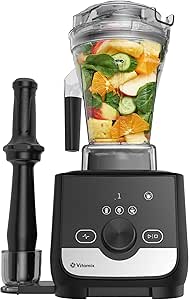
Vitamix Ascent X3 Professional-Grade Blender, 3 Programs, Shadow Black
As an affiliate, we earn on qualifying purchases.
Lifting Dahlias Before Winter
The source report says gardeners in frost-prone climates need to lift dahlia tubers and overwinter them indoors. Its described process begins after the first frosts: cut back the stems, then lift the tubers carefully from the ground with a garden fork. Soil commonly remains attached after lifting, and the report advises removing large clods before packing.
Growers do not agree that tubers must be scrubbed completely clean. Chastain warns that soil can harbor disease organisms and conceal soft spots or damage. Deaton, who grows nearly 10,000 dahlia plants and more than 400 cultivars at EarthSpoke Farms, says a thin layer of soil can help prevent tubers from drying and shriveling. The report’s practical distinction is to remove excess clumps without assuming that washing every tuber is necessary.
“If you have soil on your tubers before you store them, that can harbor disease organisms.”
— Lindsey Chastain, gardener and homesteader
Storage Conditions Still Vary
The report does not provide comparative trial data showing that one container, packing material, temperature or humidity level works best for all dahlia varieties and homes. It presents recommendations and practices from individual growers. Their preferred soil-cleaning methods also differ: Chastain stresses removing soil that could conceal problems, while Deaton says a thin layer may help prevent drying.
The source does not specify a single humidity target for home gardeners, explain how often tubers should be inspected, or give a detailed troubleshooting process for changing storage conditions. Results may depend on the temperature and humidity of the chosen room. The report’s recommendations should be read as practical horticultural guidance, not a guarantee that stored tubers will return with more blooms.
Check Tubers Through Winter
After packing, gardeners can apply the report’s central advice by keeping tubers in a cool, dark location and avoiding sealed containers that trap moisture. Basements, garages or breezeways may work if conditions remain suitable, but the report does not confirm that every space will stay within the recommended range. Gardeners can check their chosen area’s temperature and look for signs of softening, excess dampness or early sprouting.
In spring, the next step is to assess the tubers before planting and discard any that have deteriorated. The source offers no calendar date for when to replant; timing depends on local frost conditions. Its larger point is that careful lifting, drying and winter storage can preserve tubers for another season, though the eventual bloom count cannot be predicted from storage practices alone.
Key Questions
What temperature does the report recommend for storing dahlia tubers?
Grower Lindsey Chastain recommends 40–50°F in a cool, dark location. Other growers quoted in the report describe storing their tubers at about 40–45°F or 42°F.
Do dahlia tubers need to be washed before storage?
Not necessarily. The report recommends removing large clumps and loose soil, but growers differ on whether to clean tubers thoroughly. If you rinse them, let them dry fully before packing.
How long should tubers dry before being stored?
The report advises drying them in a cool, dry, ventilated place for at least 48 hours and up to a week. They should feel dry and firm before storage.
Which containers can be used for overwintering dahlia tubers?
Use containers that allow airflow, such as open crates or cardboard boxes with holes. The report names dry wood shavings, vermiculite and coconut coir as packing options used or recommended by growers.
Will proper storage guarantee more dahlia blooms next year?
No. The report presents storage practices intended to reduce risks such as rot, drying and freezing; it does not promise a particular bloom count. Spring growth also depends on conditions beyond winter storage.
Source: homesandgardens.com