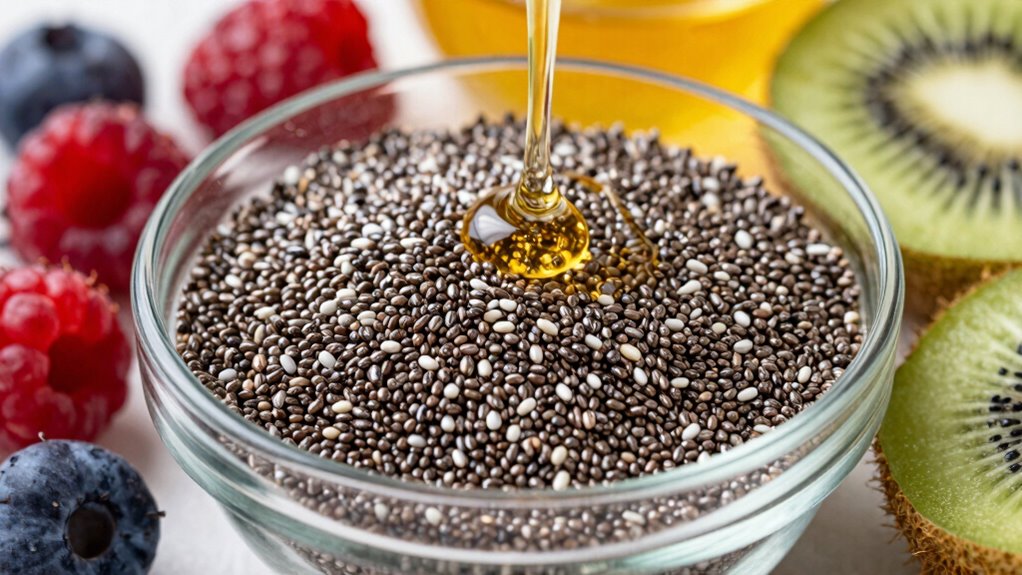

You’ll notice chia seeds in many health-focused foods because they’re packed with nutrients like omega-3s, fiber, and antioxidants, making them a superfood choice. Their ability to absorb liquids and form gels helps thicken smoothies and baked goods naturally, adding both texture and nutrition. Plus, they’re easy to grow sustainably, which appeals to eco-conscious consumers. As you explore further, you’ll uncover even more reasons why these tiny seeds have become so popular in healthy diets.

Get garden gear delivered free — and shop member deals
- Fast, free delivery on millions of items
- Access to Prime Big Deal Days deals on October 6–7
- Prime Video, Amazon Music and more included
Key Takeaways
- Chia seeds are nutrient-dense, providing omega-3s, fiber, protein, and essential micronutrients, boosting overall health benefits in foods.
- Their natural gelling property enhances texture and acts as a binder or thickener in various recipes.
- They are easy to incorporate into diverse foods like smoothies, baked goods, and yogurts, adding functional and nutritional value.
- Cultivated sustainably, chia seeds appeal to eco-conscious consumers seeking environmentally friendly ingredients.
- Their recognition as a superfood elevates product appeal, aligning with health-focused and clean-label food trends.
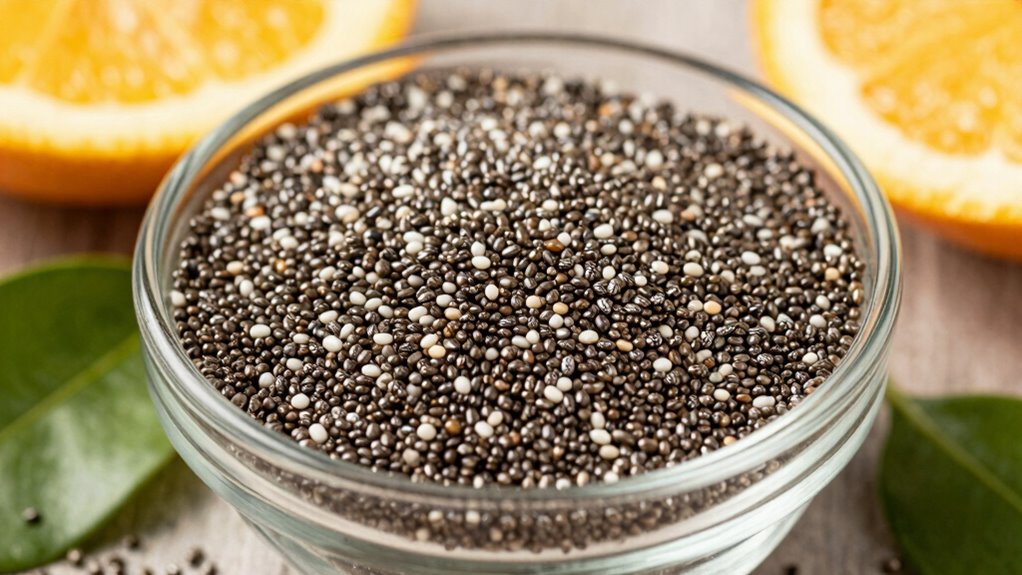
Chia seeds have gained popularity as a superfood because of their impressive nutrient profile and versatility in healthy eating. You’ll often find them in smoothies, energy bars, yogurt, and even baked goods. Their rise in popularity isn’t accidental; it’s rooted in their remarkable health benefits and the ease with which they can be integrated into your diet. But to truly understand why they’re so common in health-focused foods, it’s helpful to look at how chia seed cultivation, nutritional comparison, and their unique properties make them a standout ingredient.
Chia seed cultivation is relatively straightforward, which has helped boost their availability. These tiny seeds come from the Salvia hispanica plant, native to Central and South America. Farmers cultivate chia seeds in warm, dry climates, and the process requires minimal water and no chemical fertilizers or pesticides, making them an environmentally friendly crop. Because they’re easy to grow and harvest, chia seeds can be produced in large quantities, ensuring a steady supply for food manufacturers and consumers alike. This accessibility is part of what makes them a popular addition to many health foods.
Chia seeds come from the hardy Salvia hispanica plant, thriving in warm, dry climates with minimal water and no chemicals.
When you compare the nutritional content of chia seeds to other popular superfoods, their advantages become clear. In a nutritional comparison, chia seeds stand out for their high omega-3 fatty acid content, fiber, protein, and micronutrients like calcium, magnesium, and antioxidants. Just two tablespoons provide a substantial amount of these nutrients, which can support your heart health, digestion, and overall well-being. They also absorb liquid and form a gel-like consistency, making them useful as a natural thickener or binder in recipes. This functional quality, combined with their dense nutrient profile, explains why food producers include them in a wide variety of health products.
The reason you see chia seeds everywhere in health foods ultimately boils down to their multifunctionality and rich nutritional makeup. They’re a clean-label ingredient that adds nutritional value without artificial additives, appealing to health-conscious consumers. Their ability to blend seamlessly into different foods, whether as a topping or a mix-in, makes them incredibly versatile. Plus, their impressive nutritional comparison to other seeds and grains reinforces their reputation as a superfood. All these factors, from sustainable cultivation to superior nutrition, make chia seeds an ingredient that’s hard to ignore in the quest for healthier eating. Additionally, their environmentally friendly cultivation practices contribute to their popularity among eco-conscious consumers.
organic chia seeds for smoothies
As an affiliate, we earn on qualifying purchases.
As an affiliate, we earn on qualifying purchases.
Frequently Asked Questions
Are Chia Seeds Suitable for People With Nut Allergies?
Chia seeds are generally safe for people with nut allergies, but you should be cautious. Nut allergy concerns vary, and chia seeds aren’t nuts, but they can sometimes be processed in facilities that handle nuts, risking cross-contamination. Seed allergy considerations are also important, as some individuals are sensitive to various seeds. Always check labels and consult with an allergist if you’re unsure, to avoid any allergic reactions.
How Do Chia Seeds Affect Blood Sugar Levels?
Chia seeds can positively influence blood sugar regulation by slowing digestion and stabilizing insulin response. When you eat them, their soluble fiber forms a gel-like substance, which helps prevent sugar spikes. This means your blood sugar levels stay steadier after meals. Incorporating chia seeds into your diet may support better glucose control, especially for those managing diabetes or seeking sustained energy, thanks to their ability to modulate insulin responses effectively.
Can Chia Seeds Replace Eggs in Baking Recipes?
Yes, chia seeds can replace eggs in baking recipes. For egg substitution, mix 1 tablespoon of chia seeds with 3 tablespoons of water and let it sit until it forms a gel. This chia gel acts as a binder, making it a great baking alternative, especially for vegan or allergy-friendly recipes. You can use it in muffins, pancakes, or cookies, providing moisture and structure just like eggs.
Are There Any Side Effects From Consuming Too Many Chia Seeds?
Consuming too many chia seeds can cause side effects like digestive issues, such as bloating or constipation, due to their high fiber content. You should also watch out for chia seed allergies, which, though rare, can cause reactions like itching or swelling. Overeating may impair digestion, so it’s best to consume them in moderation and stay aware of any allergic responses.
Do Chia Seeds Lose Nutrients When Cooked?
Cooking chia seeds doesn’t strip away all their nutrients, but some loss can occur depending on the method. Boiling or prolonged heat exposure may reduce their omega-3s and antioxidants, while soaking or adding them raw preserves more nutrients. You’re more likely to enjoy maximum nutrient retention by incorporating chia seeds into your dishes after cooking, such as sprinkling on yogurt or smoothies. Still, even cooked, they offer valuable fiber and minerals.
As an affiliate, we earn on qualifying purchases.
Conclusion
You’ve probably noticed chia seeds popping up everywhere in health foods, and for good reason. They’re packed with fiber, omega-3s, and antioxidants, making them a powerhouse for wellness. Remarkably, a single ounce of chia seeds provides about 11 grams of fiber, supporting digestion and satiety. So next time you see them in your smoothie or yogurt, remember—they’re not just trendy, but a simple way to boost your health in many ways.
As an affiliate, we earn on qualifying purchases.
As an affiliate, we earn on qualifying purchases.
Fall yard work Picks
leaf blowers
As an affiliate, we earn on qualifying purchases.