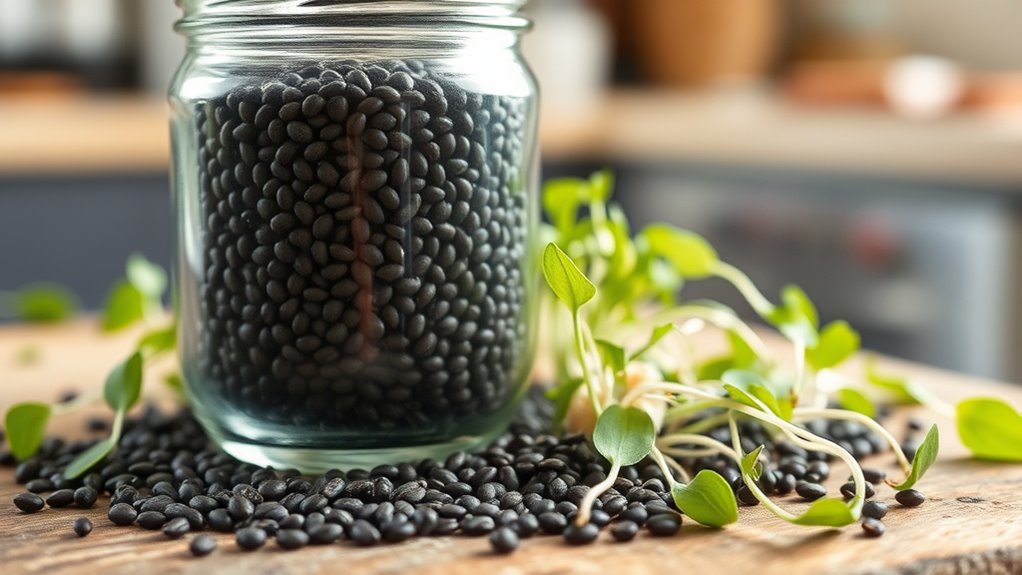
Yes, you can grow chia from store-bought seeds, as most are viable for sprouting if they are fresh, organic, and unprocessed. To get started, soak a handful in water for 15-20 minutes, then plant them in well-draining soil, keeping it moist and covered to maintain humidity. Place the container in bright, indirect sunlight and wait 1-2 weeks for sprouting. Continued care helps guarantee healthy growth—if you’re interested, discover more tips for successful chia cultivation.
Key Takeaways
- Store-bought chia seeds are generally viable for germination if they are raw, organic, and fresh.
- Soak seeds in water for 15-20 minutes to activate and improve germination chances.
- Provide well-draining soil, keep it moist, and maintain high humidity to promote sprouting within 1-2 weeks.
- Place the container in a bright spot with direct sunlight and remove covers once sprouted.
- With proper care, chia seeds from stores can successfully grow into healthy chia plants.
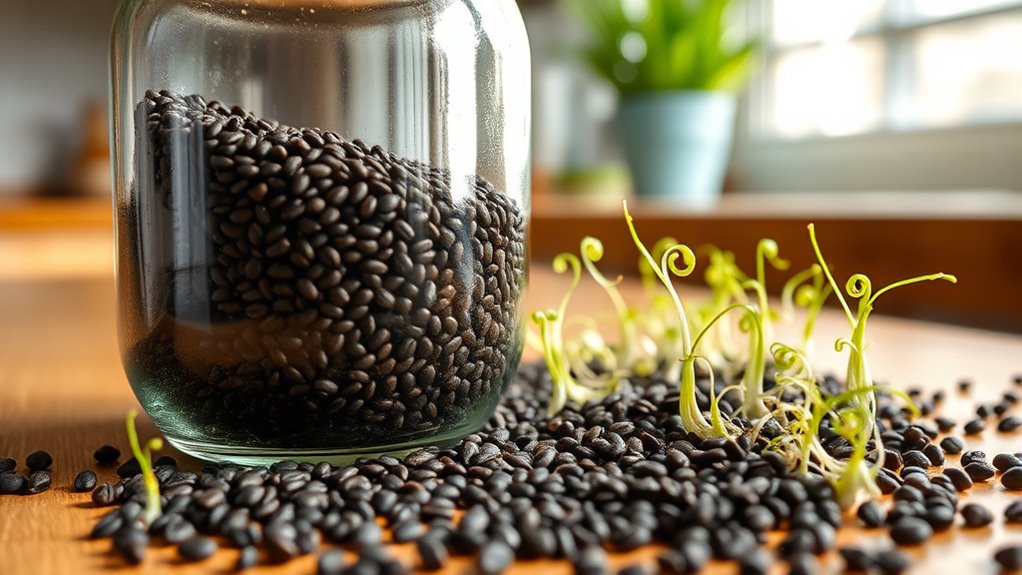
Growing chia from store-bought seeds is a simple and rewarding way to enjoy this nutrient-rich superfood at home. If you’re wondering whether those tiny seeds can sprout into healthy plants, the answer is yes, provided you understand the basics of seed germination and plant care. Chia seeds are known for their high omega-3 content and versatility, making them a popular choice for home growers. The key to success is starting with the right seeds and creating ideal conditions for germination and growth.
Growing chia from store-bought seeds is easy and rewarding with proper germination and care.
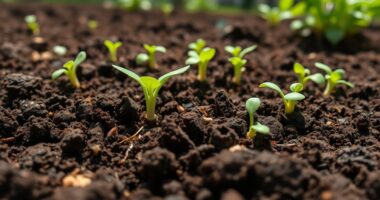
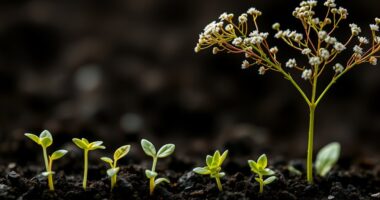
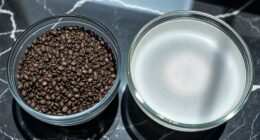
First, it’s important to note that most store-bought chia seeds are viable for germination, especially if they are raw, organic, and unprocessed. Once you have your seeds, you’ll want to soak a handful in water for about 15-20 minutes. This process helps kickstart seed germination by softening the seed coat and activating the embryo inside. After soaking, you can plant the seeds in a shallow tray or pot filled with well-draining soil or a seed-starting mix. Light, evenly moist soil is critical for successful germination, which usually occurs within 7-14 days.
During seed germination, you’ll want to keep the soil consistently moist but not waterlogged. Covering the tray with plastic wrap or a clear lid can help retain humidity, creating a mini-greenhouse environment that encourages sprouting. Once the seeds sprout, it’s time to remove the cover and place the container in a bright location — ideally where they’ll get at least 4-6 hours of direct sunlight daily. Proper plant care involves regular watering, ensuring the soil remains moist but never soggy, and providing good airflow around your seedlings to prevent mold.
As your chia plants grow, you’ll need to monitor their development closely. Thin out the seedlings if they become crowded, leaving the strongest ones to thrive. Chia plants prefer warm temperatures and should be kept in a spot where they won’t experience sudden cold drafts. Fertilize lightly with a balanced, water-soluble fertilizer every few weeks to promote healthy growth. Remember, chia plants are quite hardy and don’t require much fuss, but consistent care will yield the best results.
Frequently Asked Questions
Can Chia Seeds Purchased Online Also Be Grown at Home?
Yes, you can grow chia seeds purchased online at home. To guarantee seed viability, choose high-quality, fresh seeds. Use proper planting techniques by spreading them on moist soil and keeping the area warm and light. With patience and care, your chia seeds will sprout and grow into healthy plants. Just make sure to follow these steps for successful growth, regardless of where you buy your seeds.
How Long Does It Take for Store-Bought Chia Seeds to Sprout?
You’ll typically see seed germination and sprouting time for store-bought chia seeds within 7 to 14 days. Keep the seeds moist and in a warm, bright spot to encourage sprouting. While sprouting time can vary slightly depending on conditions, consistent watering and proper temperature help speed up the process. Patience is key, but with the right care, you’ll see those tiny sprouts emerge within two weeks.
Do All Chia Seed Varieties Grow Equally Well From Store-Bought Seeds?
While some chia seed varieties may seem like they’re cut from the same cloth, seed viability and seed purity vary, affecting how well they grow from store-bought options. Not all chia seeds are created equal; some might be less sprout-friendly or have lower germination rates. To maximize success, choose high-quality, pure seeds, and remember that variety plays a role in how easily they’ll flourish in your garden.
Are There Specific Store Brands of Chia Seeds Better for Planting?
When choosing store-bought chia seeds for planting, focus on seed viability and germination rates. Some brands prioritize fresh, high-quality seeds, which tend to have better germination. Look for brands that specify seed freshness or organic options, as these often have higher viability. Avoid seeds stored for long periods or in poor conditions, as their germination chances decrease. Ultimately, selecting reputable brands increases your success in growing chia from store-bought seeds.
Can Store-Bought Chia Seeds Be Used for Both Sprouting and Eating?
Ever wonder if store-bought chia seeds are good for both sprouting and eating? You can use them for both, but seed viability varies. For sprouting, look for fresh, organic seeds and follow sprouting tips like rinsing regularly. These seeds are safe to eat, but if you’re planting, verify they’re viable and haven’t been treated. Wouldn’t it be rewarding to grow your own chia from everyday seeds?
Conclusion
So, here’s the irony—those tiny store-bought chia seeds, meant for breakfast bowls, can actually grow into lush plants if you’re patient enough. It’s amusing how something so small can turn into a thriving garden, all from the same seeds you thought were just for eating. So next time you snack on chia, remember, with a little effort, you might just be growing your own little chia farm instead of tossing those seeds away.