TL;DR

Get garden gear delivered free with Prime
- Fast, free delivery on millions of items
- Prime Video, Amazon Music and more included
- Member-only deals all year
Borage (Borago officinalis) is an easy-to-grow annual herb prized in gardens for its star-shaped flowers, textured foliage and visits from bees. Sow it outdoors after frost danger passes, give plants room in sunny, well-drained soil, and manage seedlings because borage often self-seeds. The plant can contain pyrrolizidine alkaloids, so garden use should not be treated as evidence that its leaves or flowers are safe to eat.
Grow Organic’s borage guide describes how to grow the annual herb Borago officinalis for its blue, star-shaped flowers and visits from bees, while cautioning that the plant can contain pyrrolizidine alkaloids. The practical takeaway for gardeners is to give borage sunny, well-drained space and manage its seedlings, rather than assuming its traditional food uses establish that it is safe to eat.
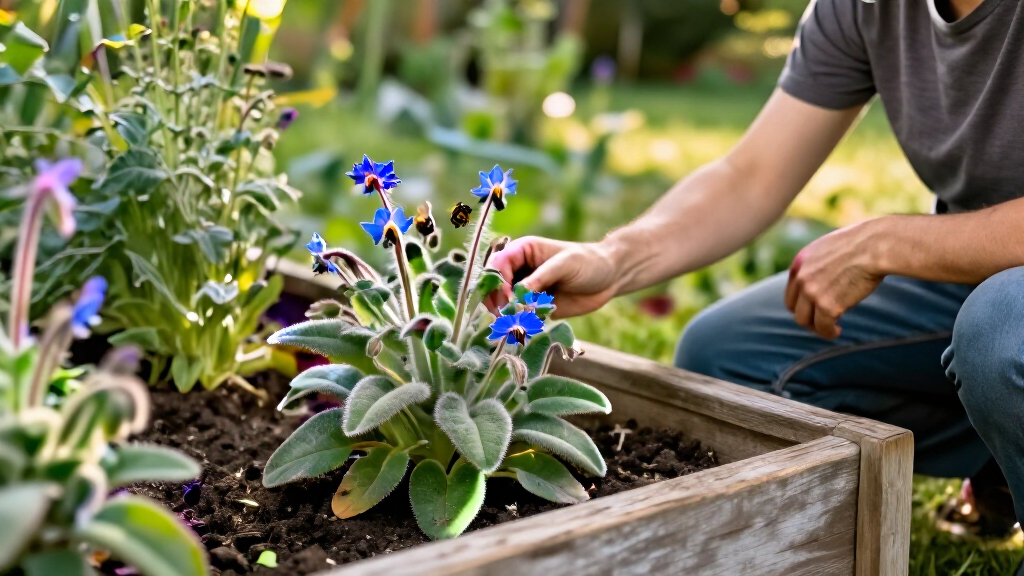
Common borage is an annual plant native to the Mediterranean region. The guide says it can grow about two to three feet tall, with hairy stems, rough gray-green leaves and typically five-pointed blue flowers. White forms also exist. It recommends identifying the plant by its flowers, foliage and growth habit together, not by flower color alone.
For planting, choose full sun and well-drained soil, then sow seeds outdoors after the danger of frost has passed. The report advises following seed-packet directions for planting depth, keeping the seeds moist as they sprout and thinning seedlings to about 12 inches apart. Water young plants as their roots develop; established borage can tolerate some dryness, but its roots should not remain in soggy soil.
Borage often self-seeds, so gardeners can leave some flowers to mature if they want plants next season, or remove fading blooms before seeds mature to limit volunteers. The guide presents its flowers as a resource visited by bees and recommends pairing borage with other flowers that bloom at different times. It says that pest protection and changes to the flavor of nearby crops are not guaranteed.
Flowers, Bees and Garden Planning
Borage can add seasonal color and contrasting foliage to vegetable beds, herb plots and informal flower borders. Its broad, bristly leaves look different from fine grasses and smaller-leaved herbs, while the flowers bring bees to the planting. These are observable garden benefits; the guide does not present borage as a guaranteed way to protect crops from pests or improve their flavor.
Its tendency to self-seed makes placement and upkeep part of the decision. Leaving a few flowers to set seed can support a continuing patch, while removing them before seeds mature gives gardeners more control over where the plant returns. Allowing enough room for borage to branch also helps prevent it from crowding or shading smaller plants.
The report draws a clear line between growing borage and eating it. It notes that leaves and flowers can contain pyrrolizidine alkaloids and that traditional use does not establish a safe serving. Drying, or using an unspecified “small amount,” is not presented as a way to resolve that concern.
borage seed packets for pollinator garden
As an affiliate, we earn on qualifying purchases.
As an affiliate, we earn on qualifying purchases.
Identifying and Growing Common Borage
The guide focuses on common borage, Borago officinalis, rather than on health claims or a general recommendation to use the herb as food. It identifies the plant through a combination of features: its rough, hairy foliage, branched growth and star-like flowers. Although blue is typical, white-flowered forms are possible, which is another reason not to rely on color alone when identifying a plant for eating.
Gardeners can use borage in sunny borders or near vegetables, giving it room to reach its mature size. The source recommends checking seed-packet directions for sowing depth and spacing, since those instructions guide planting. As plants grow, watering should respond to rainfall and soil moisture, with particular care to avoid persistently wet ground.
Older accounts mention young borage leaves in food and flowers frozen into ice cubes. The report distinguishes those historical uses from current food-safety advice: traditional preparation does not prove safety, and drying is not a reliable way to make the plant safe to eat. Borage seed oil is also a different preparation from leaves soaked in kitchen oil; mentioning the oil does not establish that homemade preparations are safe or medically useful.
““Borage often self-seeds.””
— Grow Organic gardening guide
indoor greenhouse grow lights for seedlings
As an affiliate, we earn on qualifying purchases.
As an affiliate, we earn on qualifying purchases.
Food Safety and Garden Results
The supplied report does not establish a safe serving size for borage leaves or flowers. It cautions that the plant can contain pyrrolizidine alkaloids and says that drying does not reliably make it safe to eat. It also does not provide a medical recommendation for borage tea, tinctures, homemade oils or treatment of health conditions.
Garden outcomes can vary with local growing conditions. The guide describes bees visiting borage and the plant’s tendency to self-seed, but it does not promise a particular number of pollinators, protection from pests or effects on nearby crops. Readers seeking advice about eating borage or using it for a health condition should consult a qualified healthcare professional rather than infer safety or benefit from the gardening guidance.
As an affiliate, we earn on qualifying purchases.
Sowing and Managing Borage
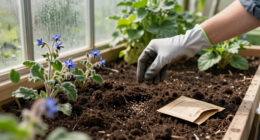
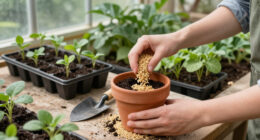
For a garden planting, wait until frost danger has passed, sow seeds according to the packet, and keep them moist while they germinate. Thin seedlings to roughly 12 inches apart, then water young plants as they establish. Keep the soil well drained and leave enough space for mature plants to branch.
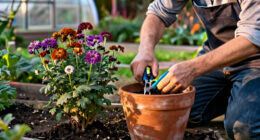
During flowering, gardeners can combine borage with other pollinator flowers that bloom at different times. Before seeds mature, decide whether to leave some flowers for self-seeding or remove fading blooms to reduce next season’s volunteers. The source offers no further dated milestone; its guidance is practical and seasonal rather than a report of a newly announced planting program.
As an affiliate, we earn on qualifying purchases.
Key Questions
What is borage?
Borage is the common name for the annual herb Borago officinalis. It typically has hairy stems, rough gray-green leaves and five-pointed blue flowers, though white forms also exist.
How do you grow borage?
Sow seeds outdoors after frost danger passes in full sun and well-drained soil. Follow the seed packet’s directions, keep seeds moist as they sprout, and thin seedlings to about 12 inches apart.
Does borage attract bees?
The Grow Organic guide says bees visit borage flowers and recommends pairing the plant with other flowers that bloom at different times. It does not promise a particular number of pollinators.
Can you eat borage leaves or flowers?
The guide cautions that borage leaves and flowers can contain pyrrolizidine alkaloids. It does not establish a safe serving, and it says drying is not a reliable way to make the plant safe to eat.
How can you control borage self-seeding?
Remove unwanted seedlings while they are small, or remove fading flowers before seeds mature. Leave some flowers to develop seeds if you want borage to return in later seasons.
Source: rss
Columbus Day / Indigenous Peoples' Day Picks
long weekend sales
As an affiliate, we earn on qualifying purchases.