To naturally compost and fertilize your chia plants, start by adding organic materials like aged manure, kitchen scraps, and composted leaves to your soil. Mix these amendments into the topsoil to boost nutrients, improve soil structure, and encourage beneficial microbes. Replenish organic matter throughout the season to support healthy growth and higher yields. Keep soil healthy and resilient by maintaining consistent organic enrichment—continue below to discover more effective tips and techniques.
Key Takeaways
- Incorporate organic compost, such as aged manure or kitchen scraps, into the soil before planting to provide essential nutrients.
- Use organic amendments like worm castings and composted leaves to boost soil fertility and microbial diversity naturally.
- Apply compost and organic fertilizers during early growth stages, mixing them into the topsoil for even nutrient distribution.
- Continuously enrich soil with organic matter throughout the season to maintain fertility and support healthy chia development.
- Focus on building long-term soil health with sustainable practices, promoting resilient plants and maximizing seed yield naturally.
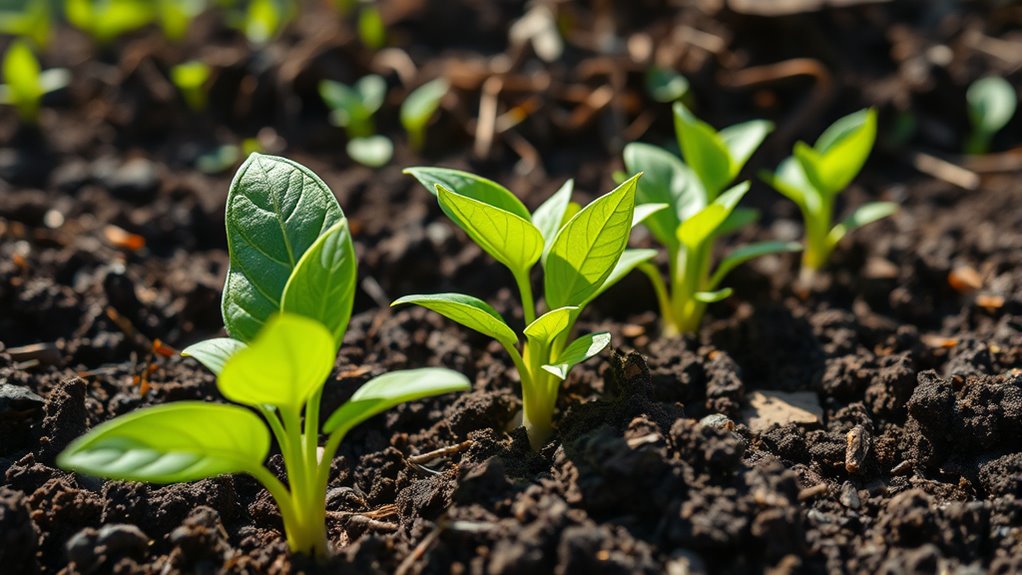
Have you ever wondered how to boost the health and yield of your chia plants? The secret lies in proper soil enrichment and the use of organic amendments. When you focus on improving your soil, you’re providing your plants with the essential nutrients they need to grow strong and produce abundant seeds. Instead of relying solely on synthetic fertilizers, you can enhance your soil naturally by adding organic amendments like compost, aged manure, or plant-based materials. These amendments not only supply vital nutrients but also improve soil structure, water retention, and microbial activity, creating an ideal environment for your chia plants to thrive.
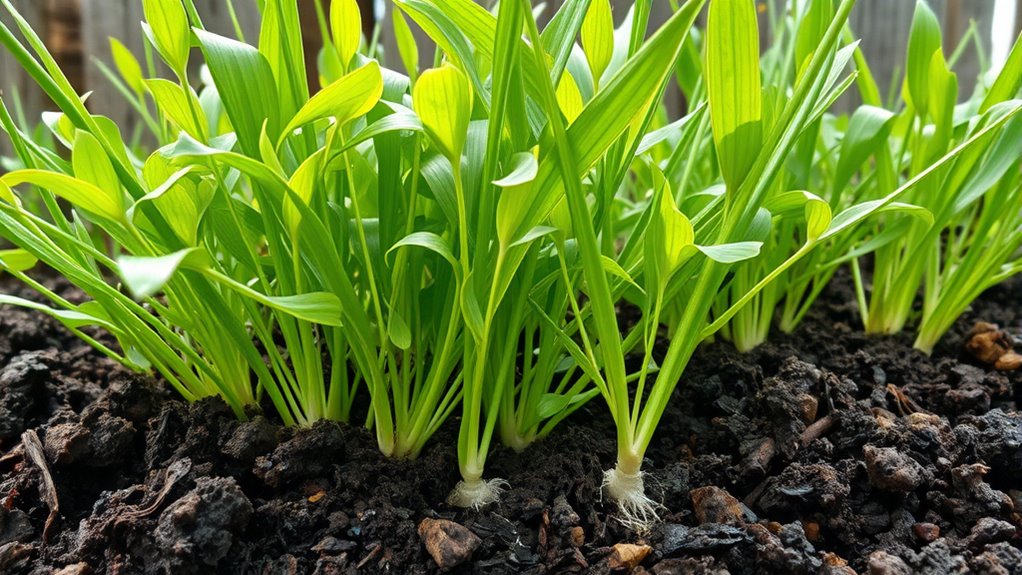
To get started, incorporate compost into your planting area. Compost acts as a natural fertilizer, rich in micronutrients and beneficial microorganisms. As you add compost, you’re enriching the soil with organic matter that gradually releases nutrients over time, reducing the risk of nutrient runoff and leaching. This slow release ensures your chia plants receive a steady supply of nourishment throughout their growth cycle. Additionally, incorporating organic amendments such as composted leaves, kitchen scraps, or worm castings can further boost soil fertility and microbial diversity. These natural inputs help break down existing soil deficiencies and create a balanced ecosystem that supports healthy root development.
When applying organic amendments, it’s best to work them into the topsoil before planting or during early growth stages. This practice enhances soil aeration and encourages the roots to penetrate deeply, promoting robust plant growth. Be mindful not to overdo it; too much organic matter can lead to excessive moisture retention or fungal issues. A good rule of thumb is to mix compost into the soil to a depth of about 6 inches, ensuring even distribution around the planting area. This preparation lays a solid foundation for your chia plants to access nutrients directly from the soil, reducing your need for external fertilizers.
Furthermore, maintaining soil enrichment with ongoing organic amendments can sustain your chia plants’ productivity. As plants grow and harvests come and go, replenish organic matter to keep the soil fertile. Using organic amendments also aligns with sustainable gardening practices, minimizing environmental impact and promoting soil health in the long run. Incorporating soil health principles can lead to more resilient and productive chia crops. By consistently enriching your soil with organic amendments, you create a nurturing environment where chia plants can flourish naturally, producing healthy seeds and maximizing your harvest. Essentially, focusing on soil enrichment and organic amendments is a simple yet powerful way to optimize your chia plant’s growth and ensure a successful, sustainable harvest.

WZQH Leather Work Gloves for Men or Women.Gardening,Welding,Coffee-grey L
- Material and Design: 100% split cowhide leather with soft cotton lining
- Protection Features: High abrasion, puncture, cut, and heat resistance
- Reinforced Palm: Extra protection for hands
As an affiliate, we earn on qualifying purchases.
Frequently Asked Questions
Can Chia Plants Thrive With Only Compost and Natural Fertilizers?
Yes, chia plants can thrive with only compost and natural fertilizers. You should also consider companion planting to improve growth and pest control, like pairing chia with basil or marigolds. These natural methods help maintain soil health and ward off pests, reducing the need for chemical inputs. By combining compost, natural fertilizers, and strategic companion planting, you’ll foster a healthy environment that supports vigorous chia plant growth.
How Often Should I Add Compost to My Chia Plant Soil?
You should add compost to your chia plant soil every 4 to 6 weeks. This helps maintain a healthy soil pH balance and provides essential nutrients. Make certain you’re watering your chia plants appropriately—about once a week, or when the top inch of soil feels dry. Regular composting encourages strong growth and keeps the soil fertile, so sticking to this schedule benefits your plants and keeps them thriving naturally.
Are There Specific Natural Fertilizers Best Suited for Chia Plants?
While synthetic fertilizers may boost growth fast, your chia plants thrive with natural options. Organic amendments like composted manure, seaweed extract, and worm castings nourish roots gently, fostering healthy growth. Mineral supplements such as silica or calcium can strengthen plant structure without chemicals. These natural fertilizers balance the soil’s ecosystem, providing essential nutrients while respecting your plant’s delicate nature, ensuring your chia plants remain vibrant and resilient.
What Signs Indicate My Chia Plants Need More Nutrients?
You’ll notice your chia plants need more nutrients if you see leaf discoloration, such as yellowing or pale leaves, and signs of pest infestation, like holes or sticky residue. These symptoms indicate they’re lacking essential nutrients. To help, consider natural fertilizers like compost or fish emulsion. Keep an eye on your plants regularly, and provide targeted feeding to promote healthy growth and prevent further issues.
Can Composting Materials Harm Chia Plants if Not Properly Balanced?
If composting materials aren’t properly balanced, they can harm your chia plants by affecting soil acidity and disrupting compost layering. Too much nitrogen-rich material can make the soil too acidic, while improper layering can lead to poor aeration and nutrient imbalances. To avoid this, guarantee compost is well-balanced, with correct layering, and monitor soil acidity regularly. This way, your chia plants thrive in healthy, nutrient-rich soil.

COOLJOB 2 Pairs Gardening Gloves for Women Ladies, Breathable Rubber Coated for Yard Garden, Outdoor Indoor Protective Work with Grip, Medium Size, Red & Green
- Designed for Women: Lightweight, breathable, comfortable fit
- Protective and Durable: Thick fingertips, flexible cuff, protects hands
- Versatile Use: Suitable for gardening, yard work, DIY projects
As an affiliate, we earn on qualifying purchases.
Conclusion
By composting and fertilizing your chia plants naturally, you’re giving them the ultimate boost they deserve—like fueling a tiny green powerhouse. These eco-friendly methods transform your garden into a lush oasis and guarantee your chia thrives without synthetic chemicals. With just a little effort, you’ll witness your plants flourish more than you ever thought possible—it’s almost like releasing a miracle. So, get your compost and fertilizers ready and watch your chia garden bloom beyond your wildest dreams!

Wells Lamont Women's PU Coated Grip Gardening Gloves 3-Pack, Medium
- Breathable Polyester Shell: Keeps hands dry and comfortable
- PU-Coated Palm for Grip: Provides secure, slip-resistant hold
- Ergonomic Fit: Enhances dexterity and control
As an affiliate, we earn on qualifying purchases.