TL;DR

Get garden gear delivered free with Prime
- Fast, free delivery on millions of items
- Prime Video, Amazon Music and more included
- Member-only deals all year
A gardening guide describes yarrow as a sun-loving perennial valued for its finely divided foliage, flower clusters and visits from bees, butterflies and other insects. It can tolerate dry conditions once established, but spreads by rhizomes and may irritate skin; claims about medicinal benefits are separate from evidence about growing it.
Grow Organic’s yarrow guide describes the perennial as a garden plant with finely divided leaves and broad clusters of small flowers that can provide resources for visiting insects. It recommends full sun and well-drained soil, while warning gardeners to monitor the plant’s spreading roots and rhizomes, which can expand into nearby beds.
The guide identifies common yarrow as Achillea millefolium, a member of the daisy family, Asteraceae. Its deeply divided green leaves add a fine-textured contrast to broader foliage and upright grasses. Flowering is typically in summer in many regions, though timing varies by climate and selection. The source cautions that North America has both native and introduced forms, so a common name alone does not establish whether a seed source is locally native.
Yarrow flowers may be visited by bees, butterflies, hoverflies and lacewings, according to the guide. Those visits make the plant a possible part of an insect-friendly garden, but they do not guarantee pest control or increased vegetable yields. The stems can also be cut for fresh arrangements or dried for indoor displays.
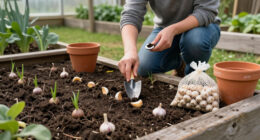
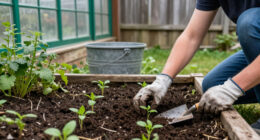
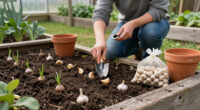
For planting, the guide recommends a sunny site with soil that drains well. Keep the seedbed moist during germination and follow the seed packet’s sowing instructions; tiny seeds should not be buried deeply. Once plants establish, avoid excess watering and fertilizer, which can contribute to root problems or weak, floppy growth. Gloves are advised for planting, pruning and dividing, particularly for people with sensitive skin.
Planning for Flowers and Spread
Yarrow offers gardeners seasonal color, foliage texture and flowers visited by insects, while its relative tolerance of dry conditions after establishment may suit some sunny, low-water plantings. These features make it a candidate for informal borders and meadow-style gardens, provided its site and spread are managed.
The same underground growth that helps yarrow persist can make it difficult to contain in a small bed. Gardeners can remove unwanted shoots, divide crowded clumps in early spring when local conditions allow, and cut faded flower heads before seeds disperse if they want to limit expansion. The guide does not claim that planting yarrow alone will control pests or improve crop yields.
As an affiliate, we earn on qualifying purchases.
Identifying the Right Yarrow
The source distinguishes common yarrow, Achillea millefolium, from Eriophyllum confertiflorum, a different species also commonly called golden yarrow. Buyers should check the botanical name and seed origin rather than relying on a common name, especially when choosing plants for local conditions or seeking native material.
Yarrow also has a history in traditional medicinal practices, and the guide notes that readers may encounter claims about medicinal properties, skin uses or extracts. It does not establish that growing the plant proves those products are safe or effective. Its focus is garden care, and it advises readers with questions about personal use or side effects to consult a qualified healthcare professional.
“Yarrow grows best in full sun and well drained soil.”
— Grow Organic, in its yarrow gardening guide
Indoor greenhouse grow lights for seedlings
As an affiliate, we earn on qualifying purchases.
As an affiliate, we earn on qualifying purchases.
Limits of the Garden Guide
The supplied guide does not provide trial data, yield measurements or a comparison of cultivars. It also gives no specific planting dates, seed rates or watering schedule for different climates, so gardeners should follow local conditions and product instructions. Its statements about insect visits describe potential garden use, not a measured effect on pest populations or harvests.
The source mentions traditional medicinal uses but does not assess the safety or effectiveness of yarrow preparations. The appropriate use of extracts, oils or topical products—and individual risks—remains outside the guide’s gardening advice. Skin reactions may vary, and the source recommends professional medical guidance for personal-use questions.
Organic Yarrow seeds for insect-friendly garden
As an affiliate, we earn on qualifying purchases.
As an affiliate, we earn on qualifying purchases.
Steps Before Planting
Before buying seed or plants, check the botanical name, whether the source is native to the area, and the packet’s coverage and sowing directions. Choose a sunny, well-drained location with enough room to monitor rhizome spread. After establishment, watch for unwanted shoots and remove faded flower clusters if limiting self-seeding is a priority.
Gardeners should adapt care to local climate and soil rather than assume one schedule fits every site. Wear gloves when handling the plant, especially if prone to skin sensitivity. The supplied source does not announce a new study or planned follow-up; its practical next steps are site selection, careful planting and ongoing growth monitoring.
Well-drained soil for Yarrow planting
As an affiliate, we earn on qualifying purchases.
As an affiliate, we earn on qualifying purchases.
Key Questions
What is yarrow commonly grown for?
It is grown for flower borders, foliage texture and cut or dried flowers. Its blooms may also attract bees, butterflies and other visiting insects.
Where should yarrow be planted?
The guide recommends full sun and well-drained soil. Leave room to monitor its spread, particularly in a small garden bed.
Does yarrow need frequent watering or fertilizer?
According to the guide, established yarrow tolerates dry conditions and generally needs relatively little fertilizer. Keep seedbeds moist during germination, then adjust watering as plants establish; avoid excess moisture and overly rich conditions.
Can yarrow spread through a garden?
Yes. Yarrow can expand through underground stems called rhizomes, as well as by seed. Remove unwanted shoots and cut faded flower heads before seed dispersal when you want to limit spread.
Is garden yarrow safe to use as a remedy?
The guide does not establish the safety or effectiveness of yarrow remedies, extracts or oils. It advises consulting a qualified healthcare professional about personal use and possible side effects; contact with the plant may irritate some people’s skin.
Source: rss
Fall Picks
fall essentials
As an affiliate, we earn on qualifying purchases.