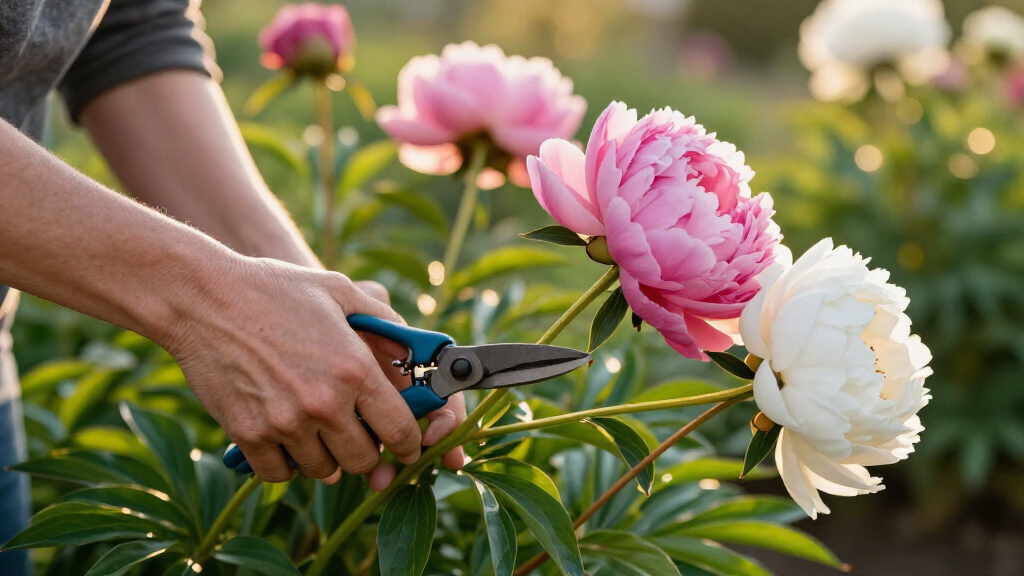

TL;DR
Gardeners are focusing on specific September tasks to prepare peonies for next year’s flowering. These five steps help ensure healthy growth and vibrant blooms. The trend reflects increased interest in perennial plant care, though specific recommendations are based on general horticultural advice. For example, understanding what peonies need in September can help gardeners plan their care routines.
Gardeners should perform five specific tasks with peonies in September to promote vigorous growth and vibrant blooms next year, according to horticultural experts. These tasks include deadheading to encourage healthy flowering. These steps are essential for maintaining healthy plants and ensuring optimal flowering seasons.

Get garden gear delivered free with Prime
- Fast, free delivery on millions of items
- Prime Video, Amazon Music and more included
- Member-only deals all year
The five recommended tasks include: removing faded flowers (deadheading), cutting back the foliage, dividing mature plants if necessary, applying mulch for winter protection, and ensuring proper watering and fertilization. Experts emphasize that these practices help prevent disease, improve plant vigor, and prepare peonies for dormancy.
According to plant care specialists, deadheading spent flowers encourages the plant to focus energy on root development rather than seed production. Cutting back the foliage after it turns yellow helps reduce disease risk and prepares the plant for winter. Dividing peonies is advised only for mature clumps showing signs of overcrowding, usually every 4-5 years. Mulching with organic material insulates roots during winter, especially in colder climates. Proper watering and balanced fertilization support root health and overall vigor, setting the stage for a lush display the following spring. To learn more about seasonal plant care, see what your clematis needs in September.
While these tasks are generally recommended, experts note that timing and specific care may vary depending on local climate conditions and peony varieties. Gardeners are advised to observe their plants closely and adjust practices accordingly.
Why September Care Is Crucial for Peony Success
Performing these five tasks in September is vital for maintaining healthy peonies and ensuring they produce abundant, beautiful blooms next year. Proper fall care helps prevent common issues such as disease, overcrowding, and winter damage. As interest in perennial gardening grows, understanding seasonal maintenance becomes increasingly important for gardeners seeking sustainable, low-maintenance plantings that flourish annually. These practices also extend the lifespan of peony plants, making them a lasting feature in landscapes and gardens. Overall, timely care in September supports long-term plant health and aesthetic appeal, making it a key period for gardeners to focus on their peonies.Products Worth Considering

Traeger Pro 22 Wood Pellet Grill & Smoker

Ninja French Door Premier 10-in-1 Air Fry Oven, 20.3 Qt, Stainless Steel, FO101

Ninja PossibleCooker PRO 8-in-1 Multi-Cooker, 8.5 Quart, Sea Salt Gray
As an affiliate, we earn on qualifying purchases.
September Gardening Practices for Perennials Like Peonies
Interest in peony care peaks during late summer and early fall, as gardeners prepare plants for winter and the next growing season. Historically, late summer pruning and fall mulching have been standard practices to promote healthy growth. Recent trends show increased coverage of fall garden tasks, driven by growing enthusiasm for perennial plants that provide long-lasting blooms and low maintenance. While specific advice for peonies is rooted in traditional horticulture, the current surge in interest may be influenced by broader gardening trends emphasizing sustainability and plant longevity. It is worth noting that specific timing and techniques can vary based on climate zones, and some gardeners may still be exploring optimal practices.Uncertainties Surrounding Exact Timing and Techniques
It is not yet clear whether specific regional climate variations significantly alter the recommended September tasks for peonies. While general advice exists, local conditions may require adjustments, and ongoing research may refine these practices. Additionally, the impact of late-season fertilization and the precise timing for dividing mature plants remain topics of debate among gardeners and horticulturists.Next Steps for Gardeners Preparing Peonies for Spring
Gardeners should monitor their peonies throughout the fall, adjusting care as needed based on local weather and plant response. In late autumn, preparing the soil with mulch and ensuring proper watering will support overwintering. As winter approaches, gardeners in colder zones should consider additional protection measures. In early spring, observing the plants for signs of healthy growth will indicate whether further dividing or fertilizing is needed. Continuous learning from local gardening resources and expert advice will help refine these practices over time.Key Questions
When is the best time to deadhead peonies in September?
Deadheading should be done once the flowers have faded, typically in early to mid-September, to encourage healthy growth and prevent seed formation.
Can I divide peonies in September?
Dividing is generally recommended in early fall, but only for mature, overcrowded plants. It is best done when the plant is not actively growing and the weather is mild.
How much mulch should I apply in September?
Apply a 2-3 inch layer of organic mulch around the base of the plant to insulate roots, especially in colder climates, but keep it a few inches away from the crown to prevent rot.
Do all peony varieties require the same September care?
No, care may vary slightly depending on the variety and local climate. It’s advisable to consult specific guidelines for your peony type and region.
What should I do if my peonies show signs of disease in September?
Remove affected foliage promptly, avoid overhead watering, and consider applying a fungicide if recommended for your area. Proper sanitation and airflow are key to preventing disease spread.
Source: rss