
TL;DR

Get garden gear delivered free — and shop member deals
- Fast, free delivery on millions of items
- Access to Prime Big Deal Days deals on October 6–7
- Prime Video, Amazon Music and more included
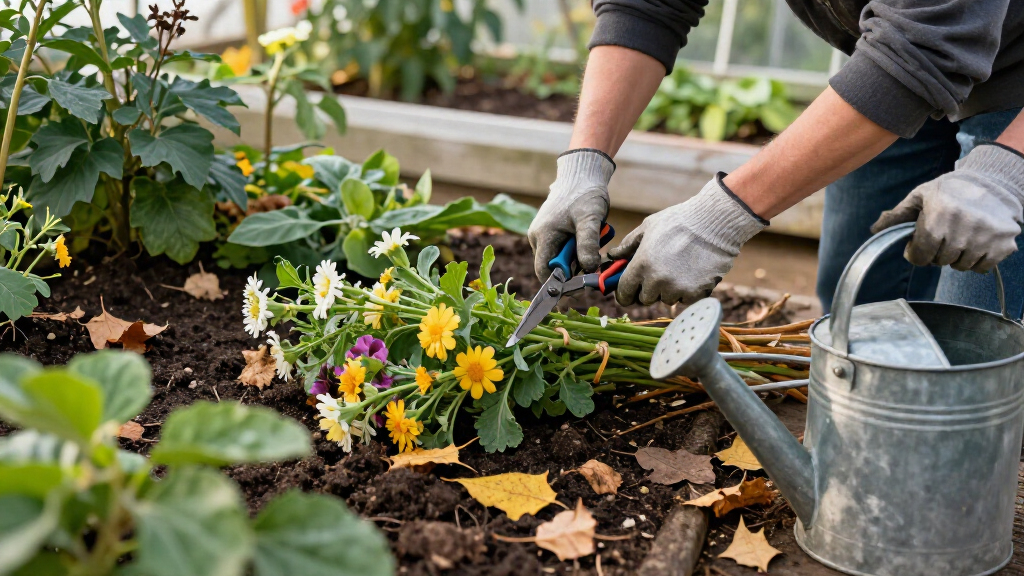
A Homes & Gardens report recommends October pruning or cleanup for seven plants, but stresses that timing depends on plant type and local conditions. Some plants should be cut back only after foliage dies or frost arrives, while fall-fruiting raspberries should be left unpruned until late winter.
A Homes & Gardens report identifies seven garden plants for October pruning or cleanup, while cautioning that gardeners should follow each plant’s growth cycle rather than cut everything back on a fixed date. Its guidance covers asparagus, dahlias, raspberries, catmint and hostas, among other plants, with some work tied to the first frost or foliage dieback.
For asparagus, the report advises waiting until fern-like foliage has naturally yellowed or browned, often after the first frost, then cutting stems to ground level and removing the debris. It says the summer foliage helps the plant store energy in its roots for the next crop, so cutting it before it dies back would be premature. Removing dead stems may also reduce places where asparagus beetles can overwinter, according to the report.
Dahlias are described as frost-sensitive. In colder climates, the report recommends waiting until frost has blackened the stems, then cutting them to about six inches above the ground and lifting the tubers. The tubers should dry in a frost-free place before winter storage, and gardeners should check them for rot. In milder areas, some growers may be able to leave tubers in the ground with protection.
Raspberry pruning depends on the crop type: summer-fruiting canes that have finished producing can be cut to the ground, with new canes thinned and supported. By contrast, fall-fruiting raspberries may still be producing in October and should wait until late winter for pruning. Catmint can receive a light trim to clear paths or lawns, but the report advises leaving most stems in place for winter protection and finishing the pruning in spring.
Why October Pruning Needs Timing
The guidance matters because an October cleanup is not the same as cutting every plant down before winter. Pruning too early can remove foliage that is still storing energy or can take away a current raspberry crop. Waiting for signs such as yellowed asparagus fronds or frost-blackened dahlia stems helps match the work to the plant’s condition.
It also distinguishes seasonal maintenance from winter preparation. Removing spent raspberry canes and tidying catmint address different needs, while dahlia tubers may require lifting and storage in colder regions. The report’s recommendations are general gardening advice, not a guarantee that pruning will produce stronger growth in every garden; local weather, cultivar and growing conditions affect results.
As an affiliate, we earn on qualifying purchases.
Frost and Plant Type Set the Schedule
The report describes October as a shift from summer growth toward protecting plants and tidying beds. Temperatures can fall during the month, with frost arriving at different times across regions. That means calendar dates alone are unreliable: the recommended point for cutting back asparagus and dahlias depends on foliage dieback or the first frost, not simply the start of October.
Plant biology also shapes the advice. Summer-fruiting raspberries bear on canes from the previous year, while fall-fruiting varieties produce on new growth and may still have fruit in autumn. The report therefore says identify the raspberry type before pruning. Its listed plants include ornamental perennials, fruit crops and dahlias, which need different approaches rather than one shared pruning rule.
As an affiliate, we earn on qualifying purchases.
Local Conditions Still Matter
The source material supplied for this article ends partway through the hosta section and does not provide the complete descriptions for all seven plants. It names roses and hostas among the report’s subjects, but the detailed recommendations for those plants and the remaining listed plant are not available here, so specific pruning instructions for them cannot be verified from the supplied material.
The report also gives no single regional calendar or cultivar-specific guidance. Exact frost dates and winter survival vary by location, and the advice about leaving some dahlias protected in the ground depends on milder conditions. Gardeners should confirm recommendations for their climate and plant variety before making major cuts.
As an affiliate, we earn on qualifying purchases.
Check Plants Before Cutting
Before pruning, gardeners should identify the plant and, for raspberries, determine whether it is summer- or fall-fruiting. Check for natural dieback and local frost before cutting asparagus or dahlias, and leave fall-fruiting raspberry canes until late winter as the report advises. Catmint should receive only a light October tidy if needed, with the main pruning saved for spring.
The next step is to follow local extension or horticultural guidance for plants whose full instructions are not included in the supplied report. Use clean, suitable tools, remove diseased or rotting material carefully, and dispose of pest-affected debris rather than leaving it around the plants.
As an affiliate, we earn on qualifying purchases.
Key Questions
Should all seven plants be pruned in October?
No. The report gives different timing by plant and condition. Fall-fruiting raspberries, for example, should not be pruned in October if they are still cropping; the report says to wait until late winter.
When should asparagus foliage be cut back?
Wait until the fern-like foliage has naturally turned yellow or brown, often after the first frost, then cut it to the ground and clear away the debris.
When should dahlias be cut back and lifted?
In colder regions, the report recommends waiting until frost blackens the stems, cutting them to about six inches above ground, then lifting and drying the tubers before frost-free storage.
Can catmint be cut back hard in October?
The report recommends a light trim only to clear troublesome growth from paths or lawns. Leave most stems in place for winter protection and do the main pruning in spring.
Source: rss
Halloween Picks
halloween
As an affiliate, we earn on qualifying purchases.